BREAKING NEWS
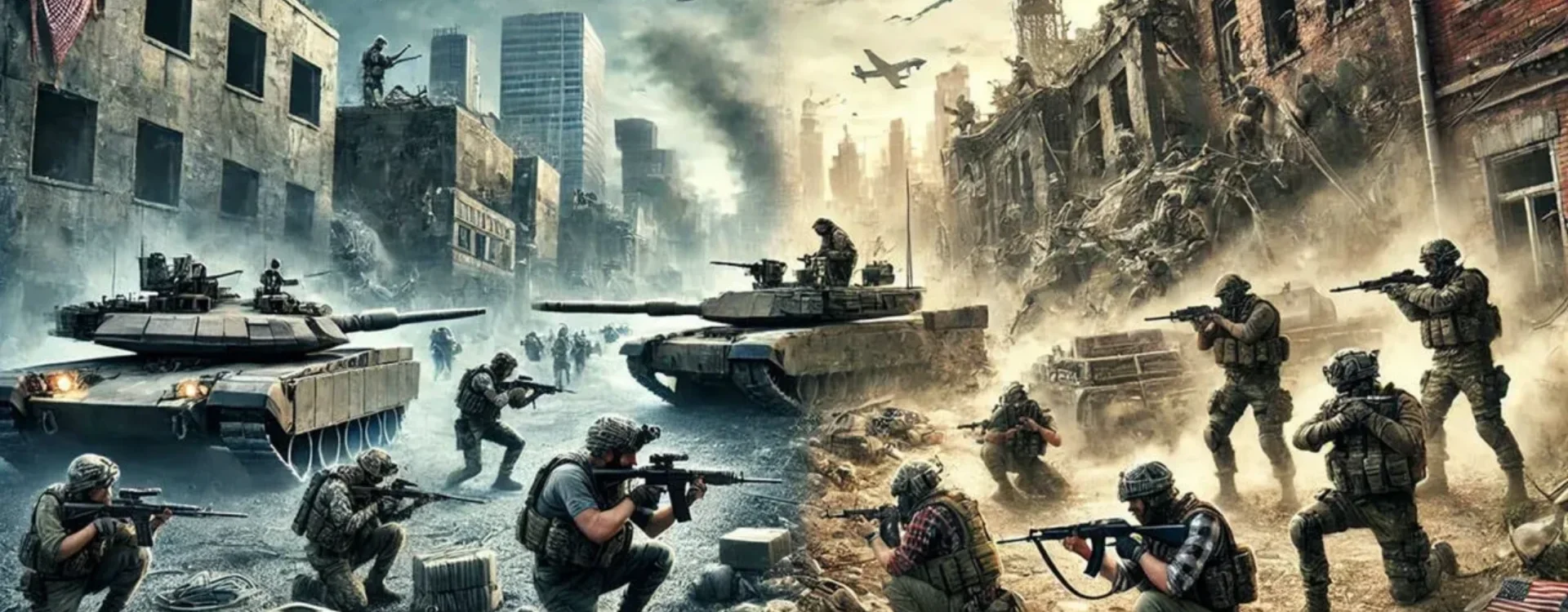
Modern warfare is no longer limited to soldiers facing each other on a traditional battlefield. Today, wars are shaped by the combined use of advanced technology, intelligence, electronic systems, cybersecurity, unmanned aerial vehicles, space-based surveillance systems and information superiority. A country’s military success now depends not only on the number of soldiers it has, but also on its technological capacity, economic strength, logistics infrastructure and speed of decision-making.
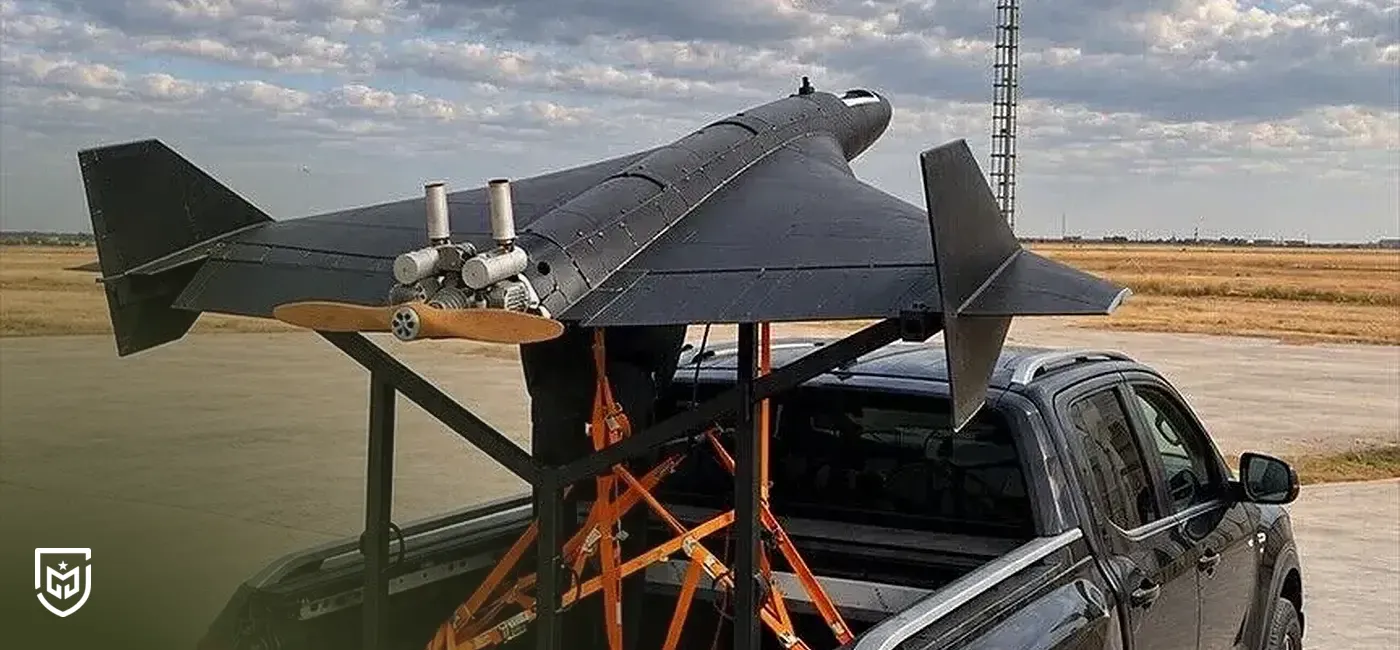
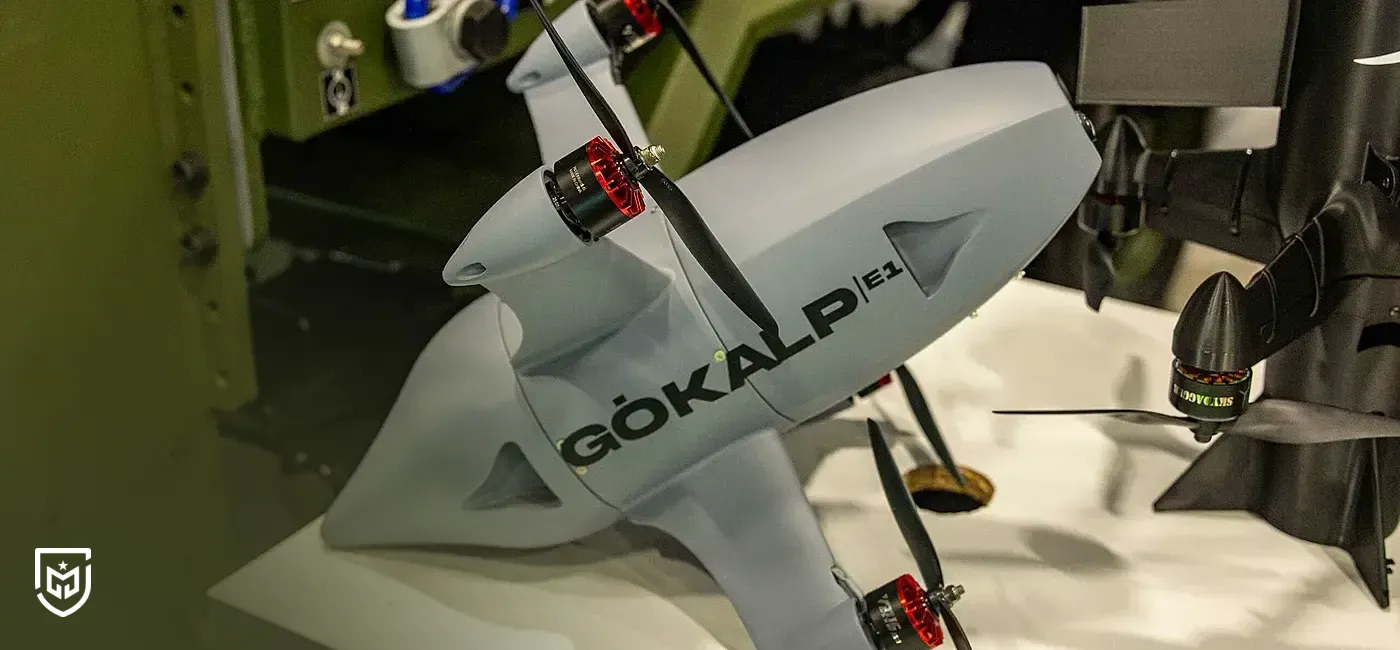
In modern warfare, the goal is not only to neutralize the opponent’s military power. It is also essential to protect communication infrastructure, defend critical facilities, manage information flow, establish air and naval superiority, build resilience against cyber threats and maintain logistics continuity. Unmanned aerial vehicles, satellite-supported reconnaissance systems, artificial intelligence-based analysis tools and electronic warfare technologies are among the key components of today’s operations.
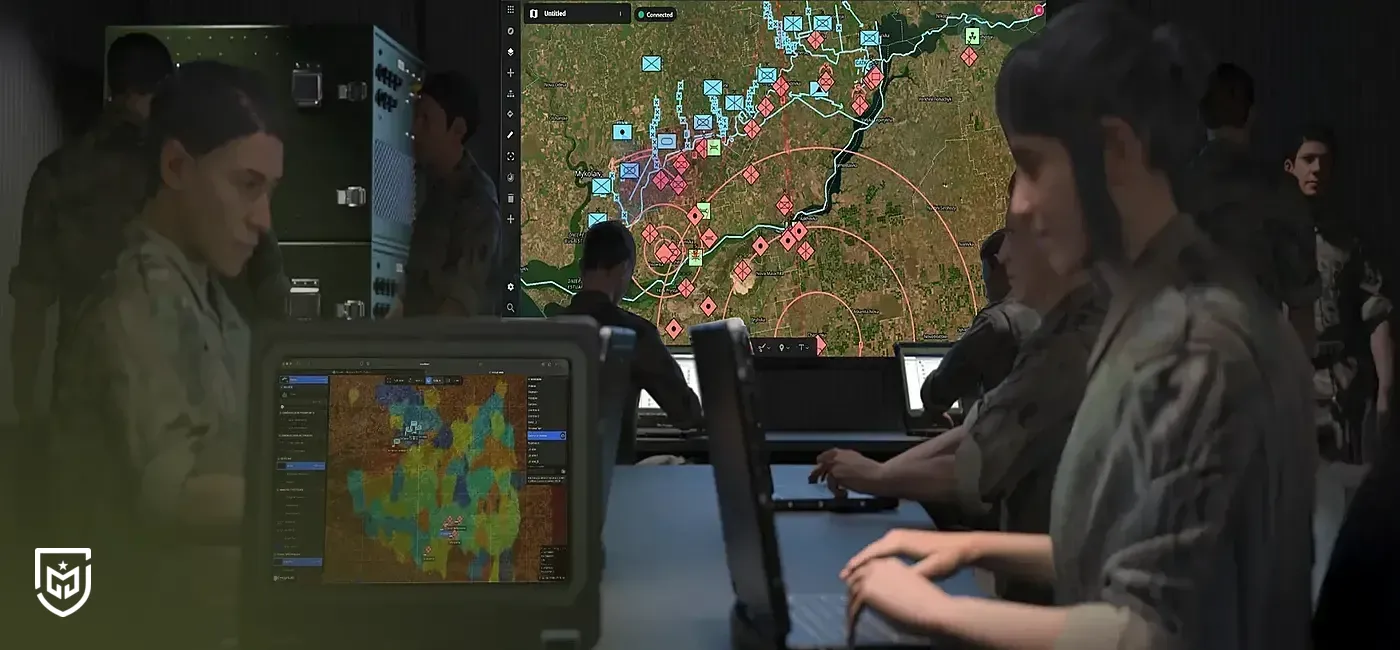
One of the most important elements of modern warfare is intelligence superiority. Through satellite imagery, radar systems, electronic signal analysis and open-source intelligence, developments on the battlefield can be monitored in real time. This allows decision-makers to make faster and more accurate assessments. In many cases, obtaining the right information at the right time provides an advantage as critical as physical power.
Another major area is cybersecurity and digital infrastructure. States compete not only on land, in the air and at sea, but also in the digital domain. Protecting critical infrastructure, securing communication networks and maintaining data integrity are essential parts of modern defense strategies.
Electronic warfare systems are also among the decisive elements of modern conflict. Radar jamming, communication protection, effective use of the electromagnetic spectrum and electronic defense solutions increase situational awareness while making it easier to detect threats.
Logistics support is just as important as combat capabilities in modern warfare. Fuel, ammunition, maintenance, medical services, transportation and supply networks must operate without interruption to sustain long-term operations. Without a strong logistics structure, even the most advanced technologies cannot be used effectively.
In addition, a significant part of today’s wars takes place in the field of information and communication. Informing the public, maintaining the flow of accurate information and reducing the impact of misinformation are among the key issues considered in crisis management.
As a result, modern warfare is not simply a process of armed forces clashing on the battlefield. It represents a comprehensive security approach in which technology, defense industry, artificial intelligence, intelligence, cybersecurity, logistics and strategic planning are evaluated together. The changing threat environment of today pushes countries to develop more integrated, more technological and more resilient defense systems.


The cookies used on our website are used to provide you with a better user experience and to improve our website. You can manage your cookie preferences from the options below.



 Süheyla Yıldız