BREAKING NEWS

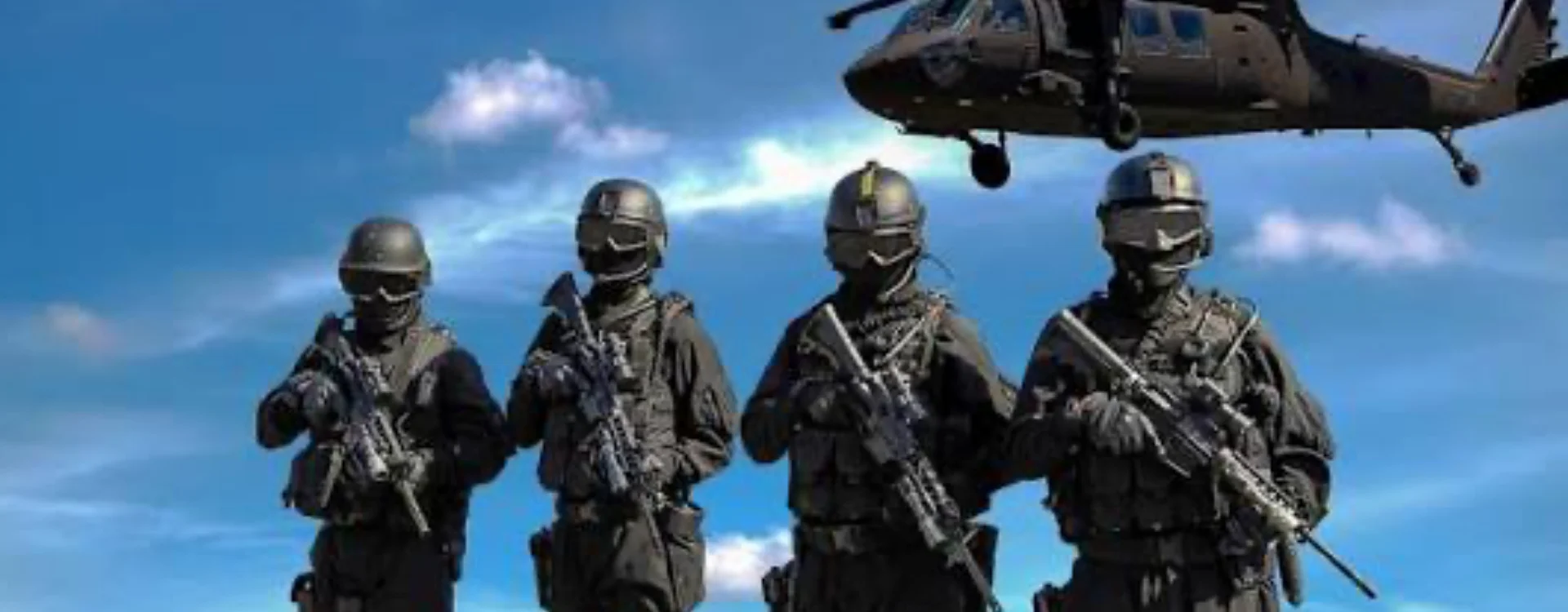
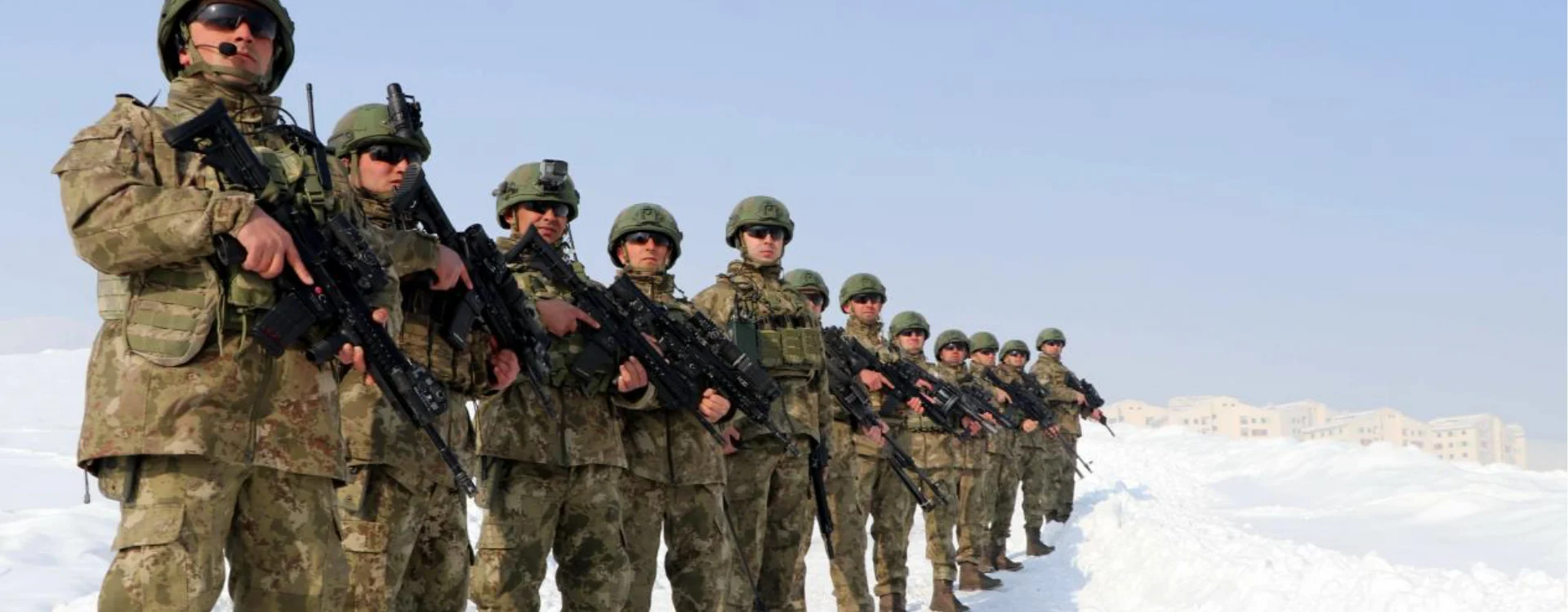
Modern warfare has evolved into a completely different structure from the traditional battlefield conflicts of the past. Today, wars are conducted not only with tanks, aircraft and soldiers, but also with cyberattacks, artificial intelligence-supported systems, unmanned aerial vehicles, electronic warfare technologies and information operations. In recent years, global conflicts have clearly shown that the concept of modern warfare has become technology-centered. A country’s military power is now measured not only by the number of soldiers it has, but also by its radar systems, air defense networks, satellite technologies and digital warfare capacity.
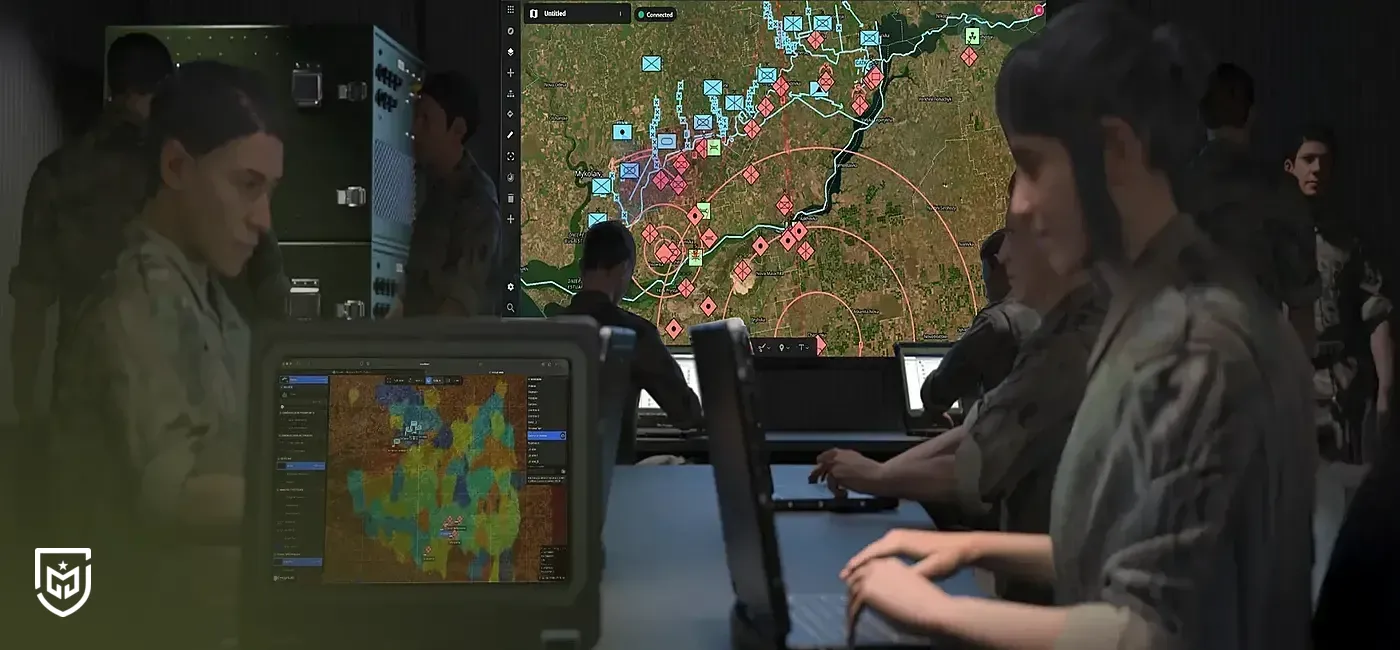
At the core of modern warfare are speed, intelligence and technological superiority. Operations that once took weeks can now produce results within hours. AI-supported target detection systems, satellite-connected command centers and real-time data sharing directly influence the outcome of war. For this reason, powerful armies today focus not only on physical strength but also on establishing digital superiority.
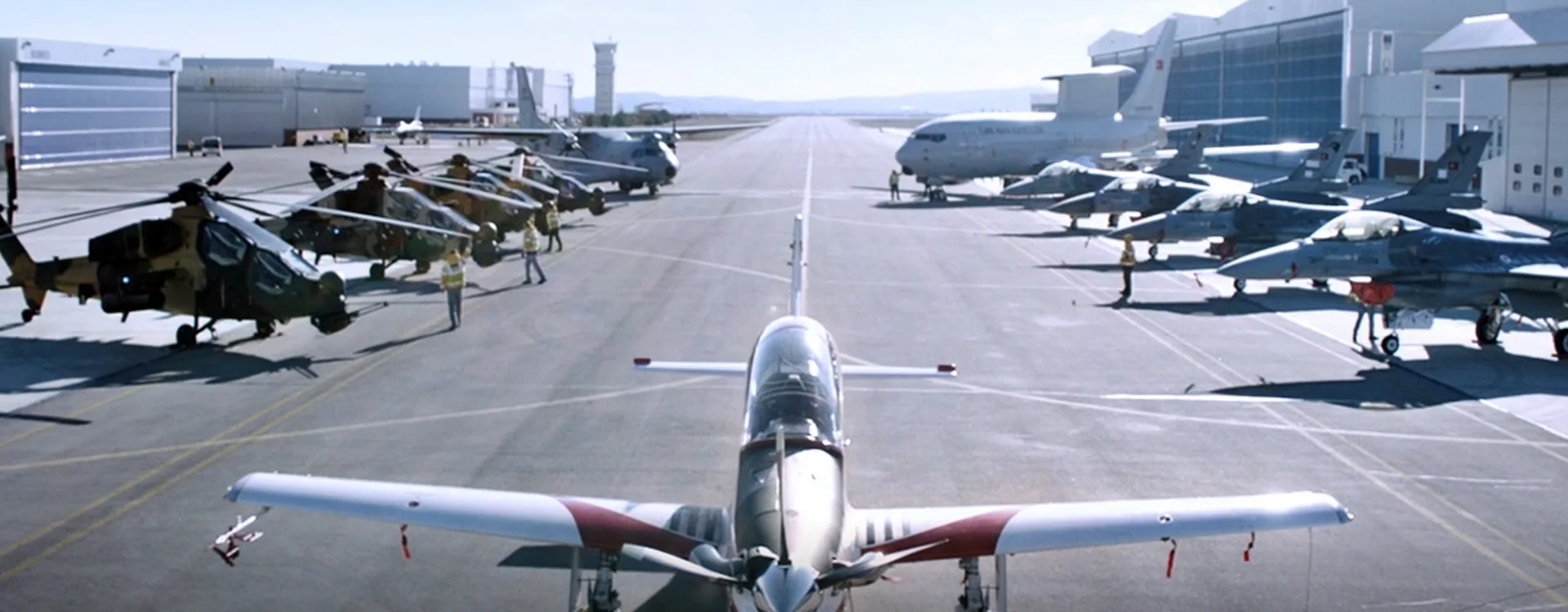
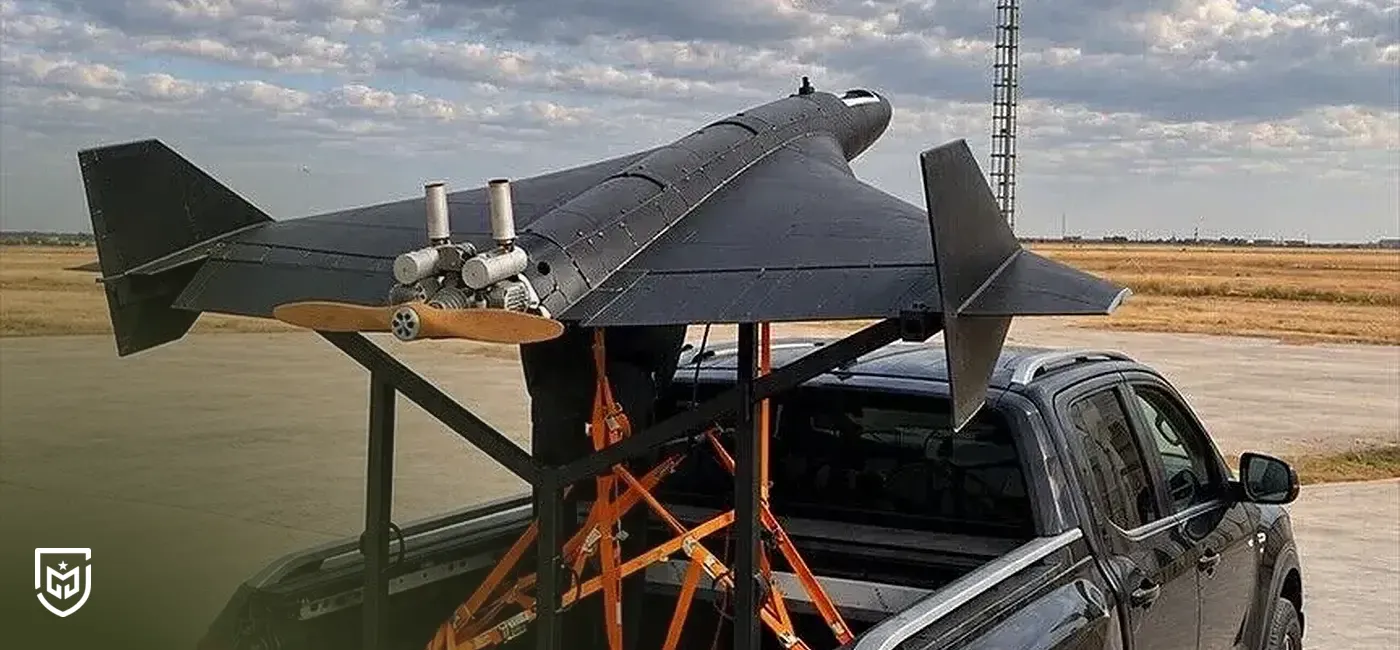
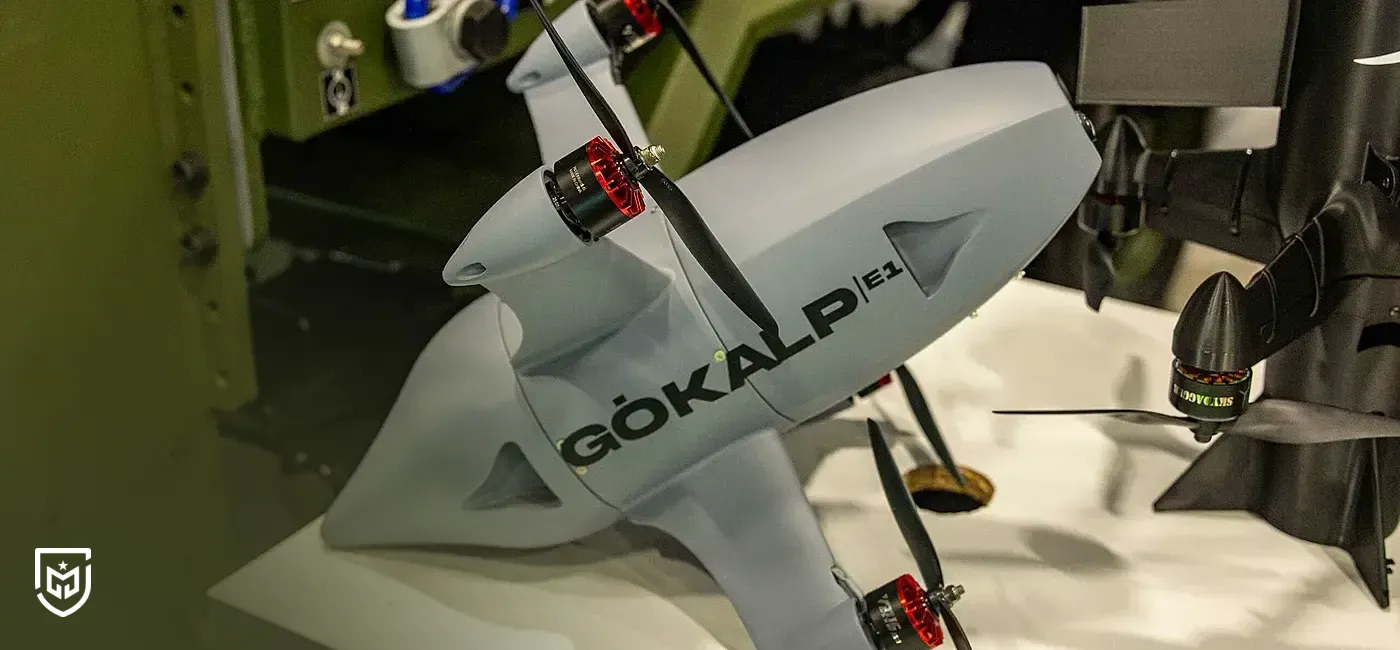
One of the most striking elements of modern war strategies is unmanned aerial vehicles. UAV and UCAV technologies have changed the military doctrines of many countries because they offer high operational capability at relatively low cost. With these systems, target areas can be monitored instantly, operations can be managed remotely and military losses can be reduced.
Electronic warfare systems are also among the indispensable parts of modern warfare. Radar jamming, communication disruption, GPS signal interference and disabling enemy defense networks are now at the center of military operations. Many defense experts believe that future wars will be fought more through electronic systems than direct physical clashes.
Cyber warfare is considered one of the greatest threats of our age. State-backed hacker groups can target energy infrastructure, banking systems, communication networks and military data centers. In modern warfare, it has become possible to damage a country’s infrastructure without firing a single missile. That is why countries are making major cybersecurity investments to strengthen their digital defense systems.
Air defense systems are another critical element of modern warfare. Defense networks developed against missile threats play a major role in protecting cities and strategic regions. Systems designed against short-range ballistic missiles and kamikaze drones can change the course of a conflict. With radar-supported early warning systems, threats can be detected and neutralized within seconds.
Psychological warfare and information manipulation also hold an important place in modern war doctrines. Through social media operations, propaganda content and digital perception management, public opinion can be influenced. Wars are no longer fought only on the battlefield; they are also fought online. The side that controls the flow of information gains a serious advantage over public perception.
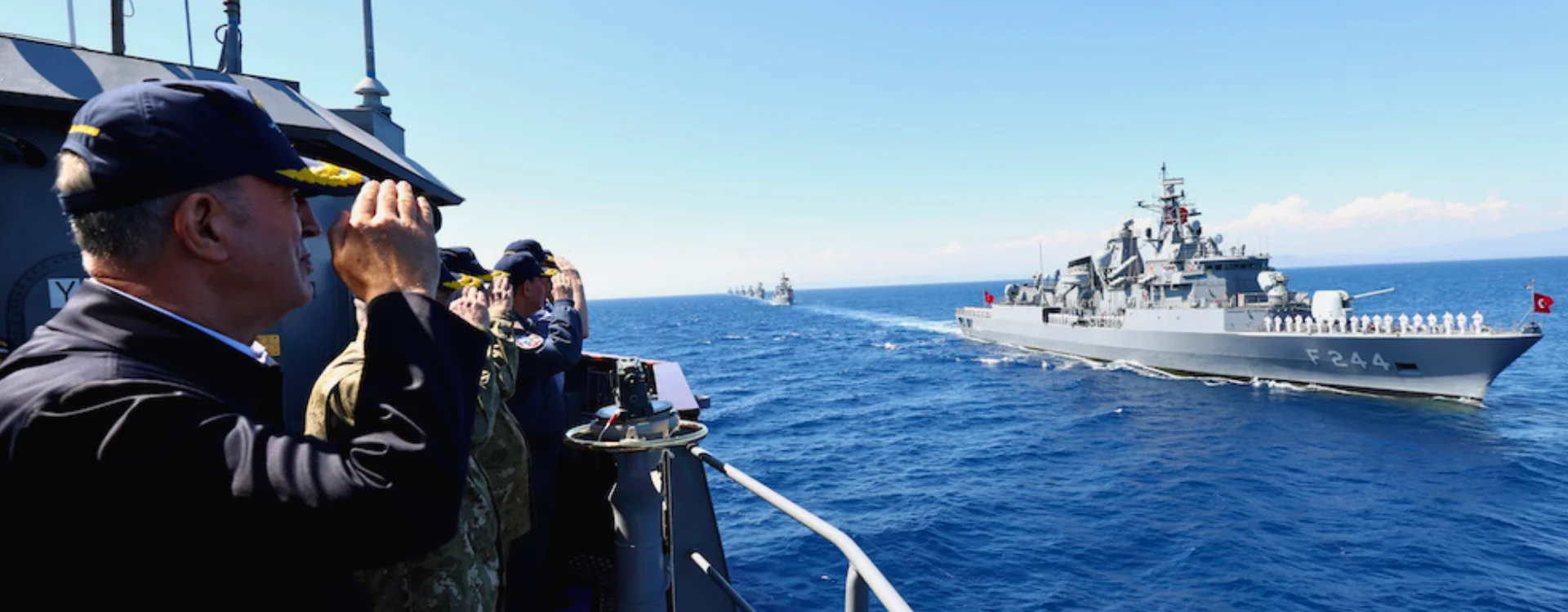
Naval warfare technologies are also undergoing major transformation. Smart missiles, stealth warships, nuclear submarines and autonomous naval vehicles increase the strategic power of modern armies. Hypersonic missile technologies in particular have begun to reshape military balances by reaching speeds that may challenge existing defense systems.
Space technologies are now seen as the new front line of modern warfare. Spy satellites, military communication systems and satellite-supported targeting technologies give countries global operational capability. Many major powers are now building space forces to prepare for future war scenarios.
Success in modern warfare depends on the combination of technology, intelligence, speed, coordination and digital superiority. In future wars, artificial intelligence-supported robotic systems, autonomous weapons and advanced cyber operations are expected to play a much larger role. For this reason, military investments around the world are becoming more technology-focused every year.


The cookies used on our website are used to provide you with a better user experience and to improve our website. You can manage your cookie preferences from the options below.



 Süheyla Yıldız