BREAKING NEWS
A defense strategy is the long-term framework of policies, objectives and plans that a nation develops to protect its national security, prepare for potential threats and strengthen its defense capabilities through the effective use of available resources. An effective defense strategy is not based solely on military power. It integrates the defense industry, intelligence, cybersecurity, artificial intelligence, economic strength, diplomacy, logistics and technological innovation into a comprehensive national security framework. As the global security environment continues to evolve, modern defense strategies must remain flexible, adaptive and capable of responding to both conventional and emerging threats.
The first step in developing a defense strategy is conducting a comprehensive assessment of the security environment. Regional developments, geopolitical dynamics, international relations, economic trends and technological advancements are carefully evaluated. Potential military, cyber, economic and hybrid threats are analyzed through multiple scenarios to identify vulnerabilities and opportunities. This assessment provides the strategic foundation upon which realistic and effective defense policies can be built.
The second stage involves defining national objectives and defense priorities. Protecting territorial integrity, securing national borders, safeguarding critical infrastructure, ensuring maritime and airspace security, strengthening cyber resilience and fulfilling international commitments are among the primary goals. Clearly established priorities enable governments to allocate defense resources efficiently while maintaining long-term strategic focus.
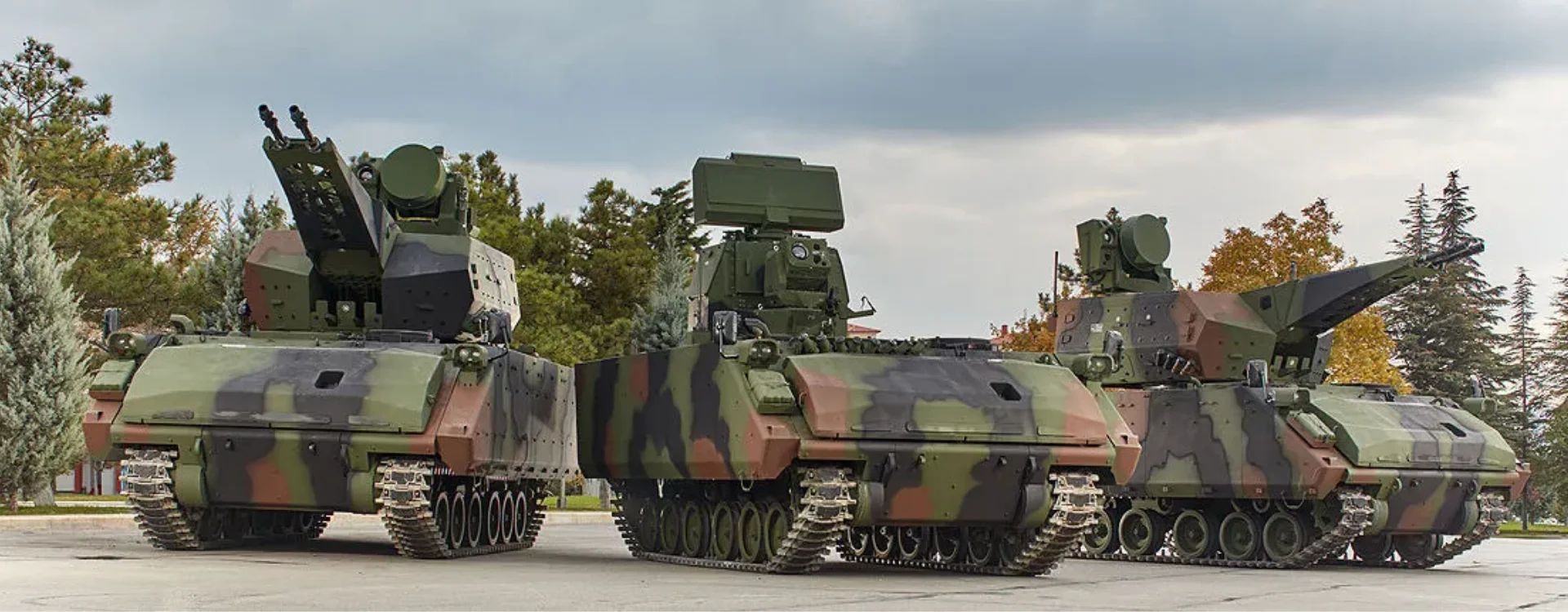
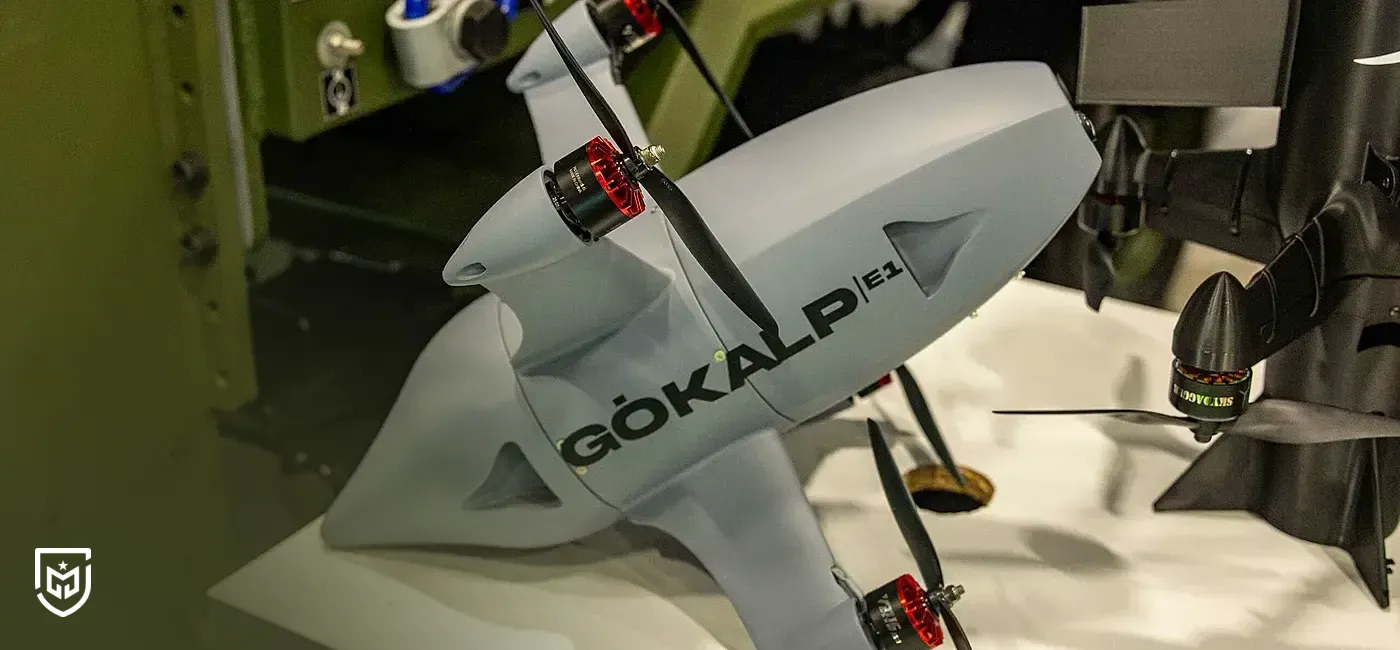
Another essential element is the assessment of military capabilities. The readiness of land, air and naval forces, the quality of personnel, operational training, logistics infrastructure and technological assets are thoroughly examined. Modern defense capabilities—including radar systems, integrated air defense networks, unmanned aerial vehicles, satellite communication systems and electronic warfare technologies—are evaluated to determine strengths, limitations and future development requirements.
The defense industry and technological innovation play a critical role in ensuring the sustainability of a defense strategy. Investments in domestic manufacturing, research and development, advanced engineering and high-technology production reduce external dependence while improving national defense capabilities. Emerging technologies such as artificial intelligence, autonomous systems, advanced sensors and big data analytics are increasingly becoming central components of modern defense planning.
Cybersecurity has become one of the most important pillars of contemporary defense strategies. Protecting government institutions, military command and control systems, communication networks, financial infrastructure and critical energy facilities is essential for maintaining national resilience. Advanced cyber defense capabilities, continuous security assessments and resilient digital infrastructure strengthen a nation's ability to withstand evolving cyber threats.
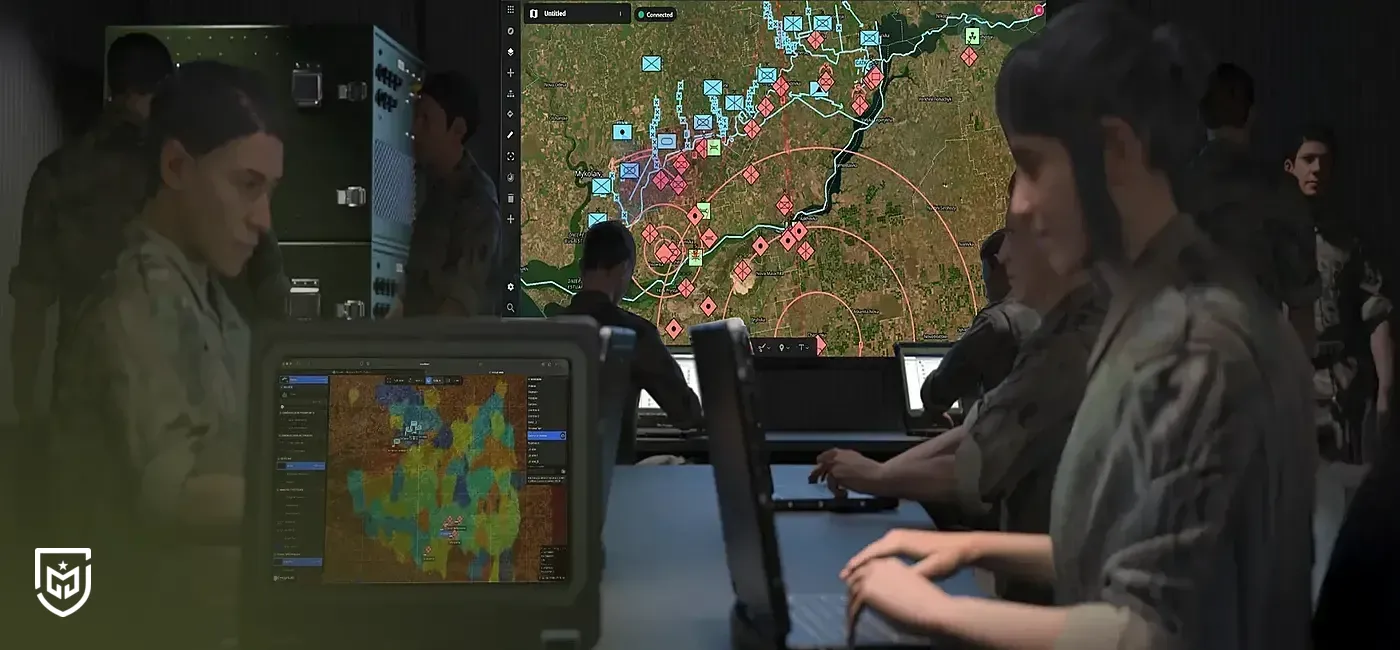
Another key aspect is intelligence, reconnaissance and surveillance (ISR). Information gathered through radar networks, satellites, electronic sensors and multiple intelligence sources provides decision-makers with comprehensive situational awareness. Artificial intelligence further enhances this process by rapidly analyzing large volumes of data, enabling faster and more informed strategic decisions while improving operational planning.
Logistics and sustainability are fundamental to the success of any long-term defense strategy. Fuel supplies, maintenance systems, transportation capabilities, ammunition management and technical support ensure that defense forces remain operational during prolonged missions and crisis situations. A resilient logistics infrastructure allows military capabilities to be sustained even under challenging conditions.
Modern defense strategies also benefit from international cooperation and strategic partnerships. Joint military exercises, defense collaboration, intelligence sharing and diplomatic engagement strengthen collective security while improving interoperability among allied nations. These partnerships contribute to regional stability and enhance the effectiveness of national defense planning.
In conclusion, developing a defense strategy involves far more than preparing military plans. It is a comprehensive national process that integrates the defense industry, artificial intelligence, radar technologies, air defense, cybersecurity, electronic warfare, intelligence, logistics, economic resilience and diplomatic planning into a unified strategic framework. In today's rapidly changing security environment, nations that continuously assess risks, embrace technological innovation and coordinate all elements of national defense are better positioned to protect their interests and maintain long-term security.


The cookies used on our website are used to provide you with a better user experience and to improve our website. You can manage your cookie preferences from the options below.






 Süheyla Yıldız