BREAKING NEWS

Missile defense systems are among today’s most advanced defense technologies and play an important role in protecting national airspace against different types of aerial threats. These systems operate through the combined use of radar technologies, advanced sensors, command and control centers, and interceptor elements. Their main purpose is to detect, track and assess incoming threats as early as possible, then activate the appropriate defense assets to help neutralize them. Modern air defense is not based on a single system, but on a multi-layered defense architecture in which different systems support one another.
The working process of missile defense systems generally consists of detection, tracking, assessment, decision-making and interception stages. In the first stage, long-range radars and various sensors continuously scan the airspace to detect approaching targets. The collected data is then transferred to command and control centers, where the target’s speed, altitude, direction and potential risk level are analyzed. Based on this assessment, the most suitable defense system is selected and the interception process begins.
In modern air defense systems, the multi-layered defense approach is highly important. Long-range systems monitor threats at greater distances, while medium- and short-range defense systems provide additional protection at closer ranges. This creates a broader defense network against aerial threats coming from different altitudes and distances. This layered structure increases defense capability and allows systems to support each other more effectively.
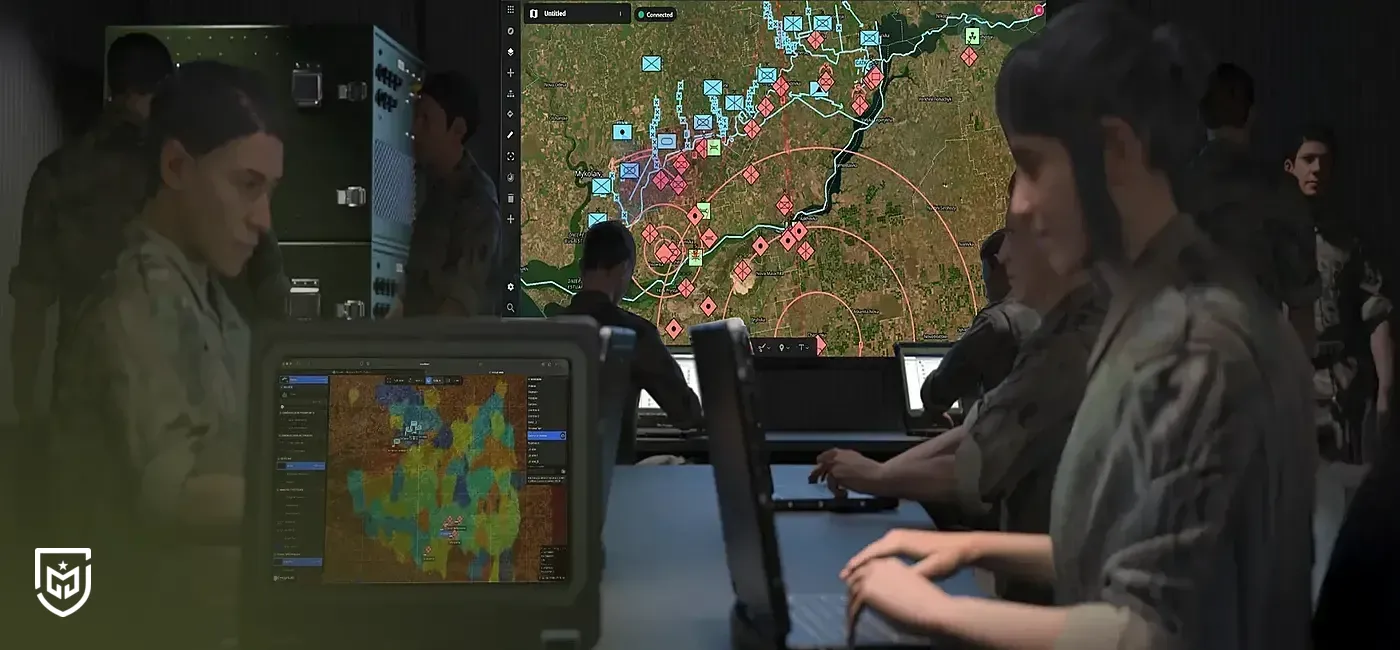
Radar systems are among the most critical components of missile defense. Advanced radars continuously monitor the airspace and generate real-time data about the location, movement direction and speed of targets. This information is processed by command and control systems to provide operators with a comprehensive air picture. Electro-optical sensors and other detection systems also contribute to improving situational awareness.
Another important element is the command, control and communication infrastructure. Information from different radars, sensors and defense assets is combined in a central system, helping operators make faster decisions. AI-supported analysis systems and advanced software can process large amounts of data and support faster situational assessment.
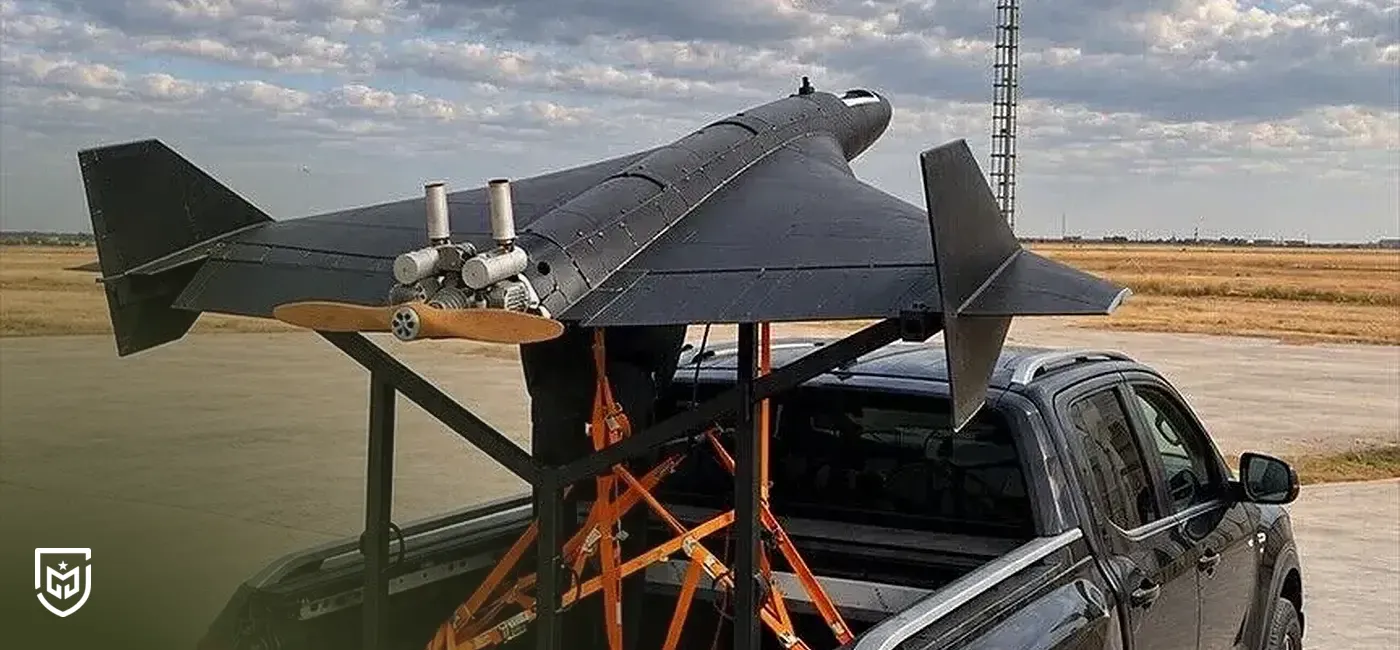
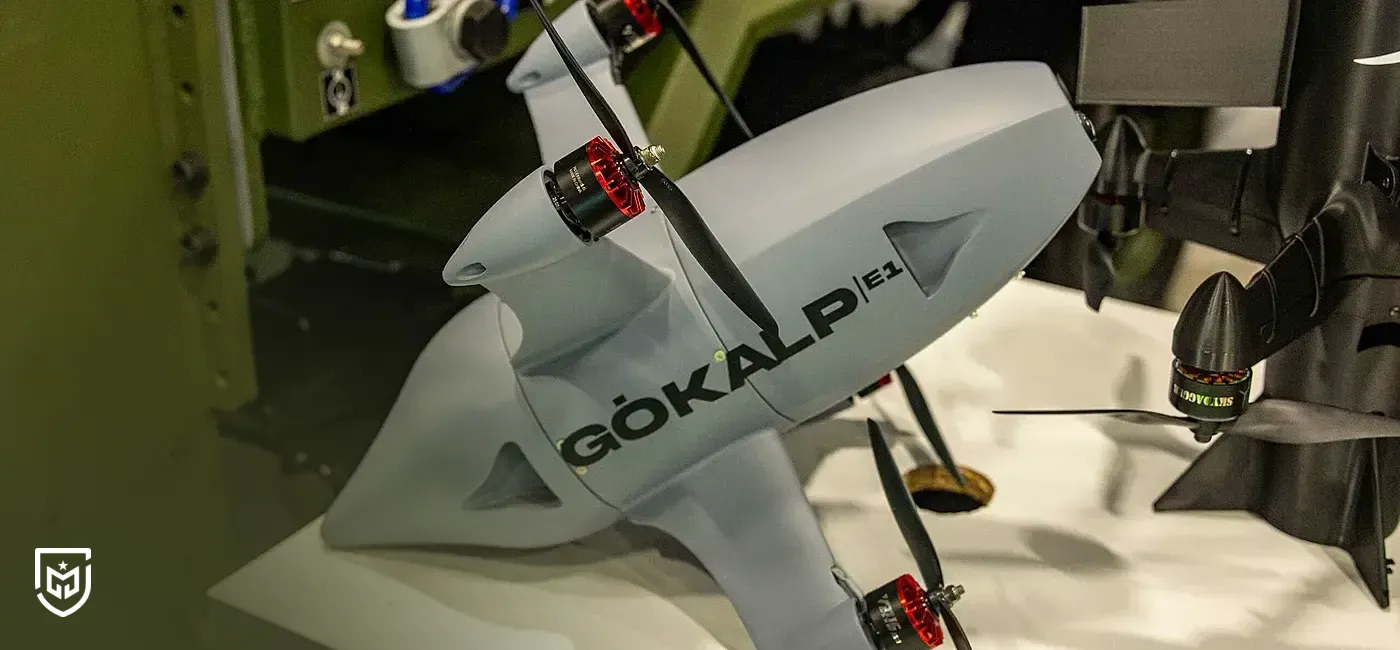
Today, missile defense systems are being developed not only against traditional aerial threats, but also against unmanned aerial vehicles, cruise missiles and risks that may arise from different air platforms. For this reason, next-generation defense systems use radar technologies, electronic warfare solutions, sensor fusion and cybersecurity infrastructures together.
As a result, missile defense systems consist of advanced and integrated technologies designed to protect airspace. Radars, sensors, command and control centers, data analysis, AI-supported decision systems and multi-layered air defensework together to form the foundation of modern defense architecture. As technology continues to advance, these systems are becoming faster, more precise and more integrated, remaining one of the key elements of national security.


The cookies used on our website are used to provide you with a better user experience and to improve our website. You can manage your cookie preferences from the options below.




 Süheyla Yıldız