BREAKING NEWS
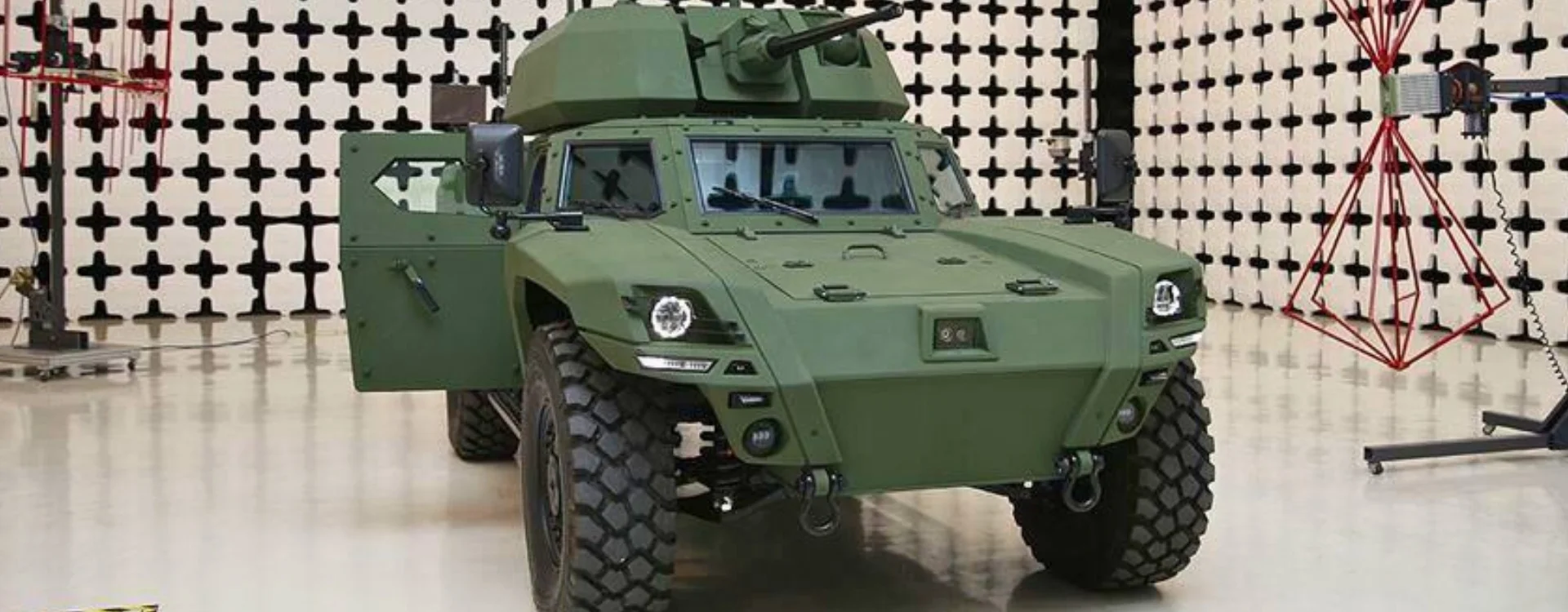
Electric military vehicles are emerging as one of the most transformative technologies reshaping modern armed forces. Gradually replacing traditional diesel-powered armored platforms, these next-generation systems offer quieter mobility, reduced thermal signatures, and lower logistical dependency, providing a critical tactical edge in today’s complex operational environments. Especially in reconnaissance, border security, and special operations missions, electric military vehicles deliver superior stealth and energy efficiency. As global defense industries accelerate their carbon reduction strategies, electric military vehicles have moved beyond concept stages and are now actively tested and deployed platforms in real-world scenarios.
From a technical perspective, electric military vehicles are equipped with high-capacity lithium-ion battery systems, hybrid power units, and regenerative braking technologies. These capabilities not only enable silent movement across operational terrain but also supply additional onboard energy for electronic warfare systems, radar platforms, and advanced communication equipment. Defense manufacturers such as General Motors Defense and BAE Systems are leading innovation in hybrid and electric armored vehicle development. Meanwhile, testing programs conducted by the U.S. Army highlight the potential to significantly reduce reliance on vulnerable fuel convoys in combat zones. Lower fuel demand minimizes logistical risks while extending operational endurance, a strategic advantage in prolonged missions. However, battery resilience, rapid charging infrastructure, and electromagnetic resistance remain critical development areas. Electric military vehicles represent a new era in defense technology where sustainability and battlefield performance converge.


The cookies used on our website are used to provide you with a better user experience and to improve our website. You can manage your cookie preferences from the options below.







 Süheyla Yıldız