BREAKING NEWS
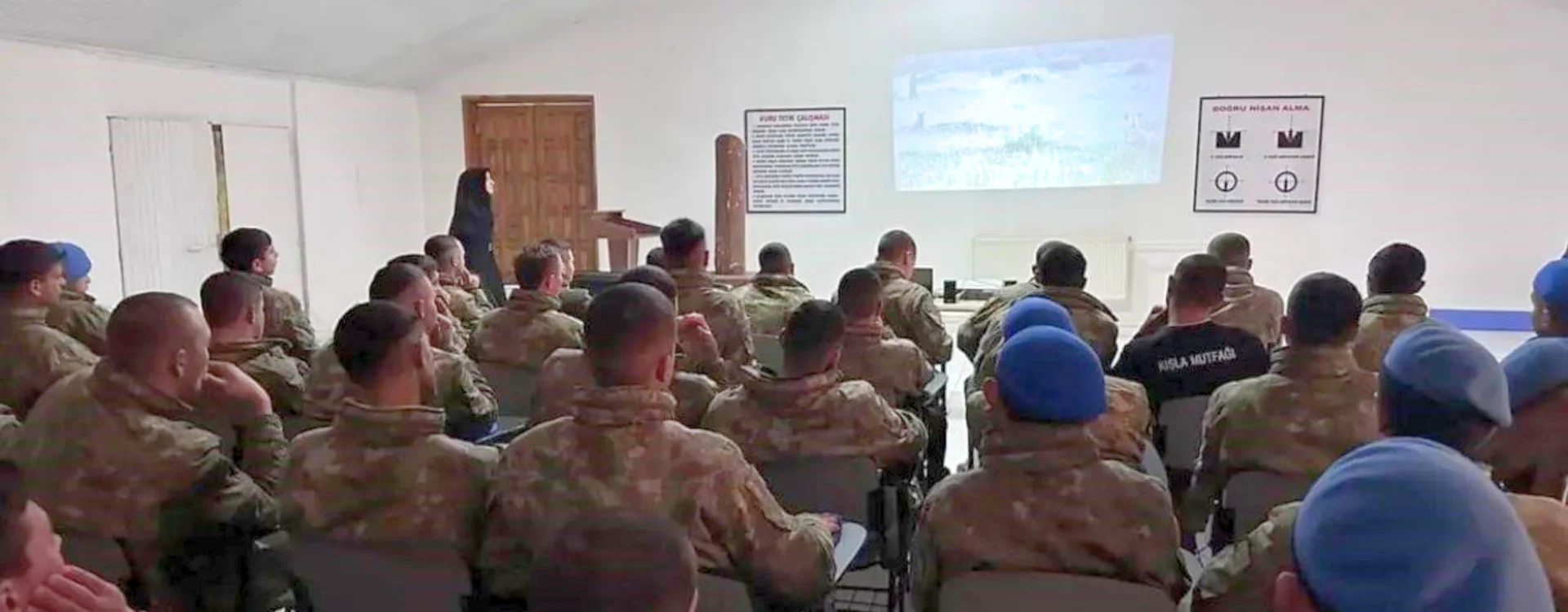
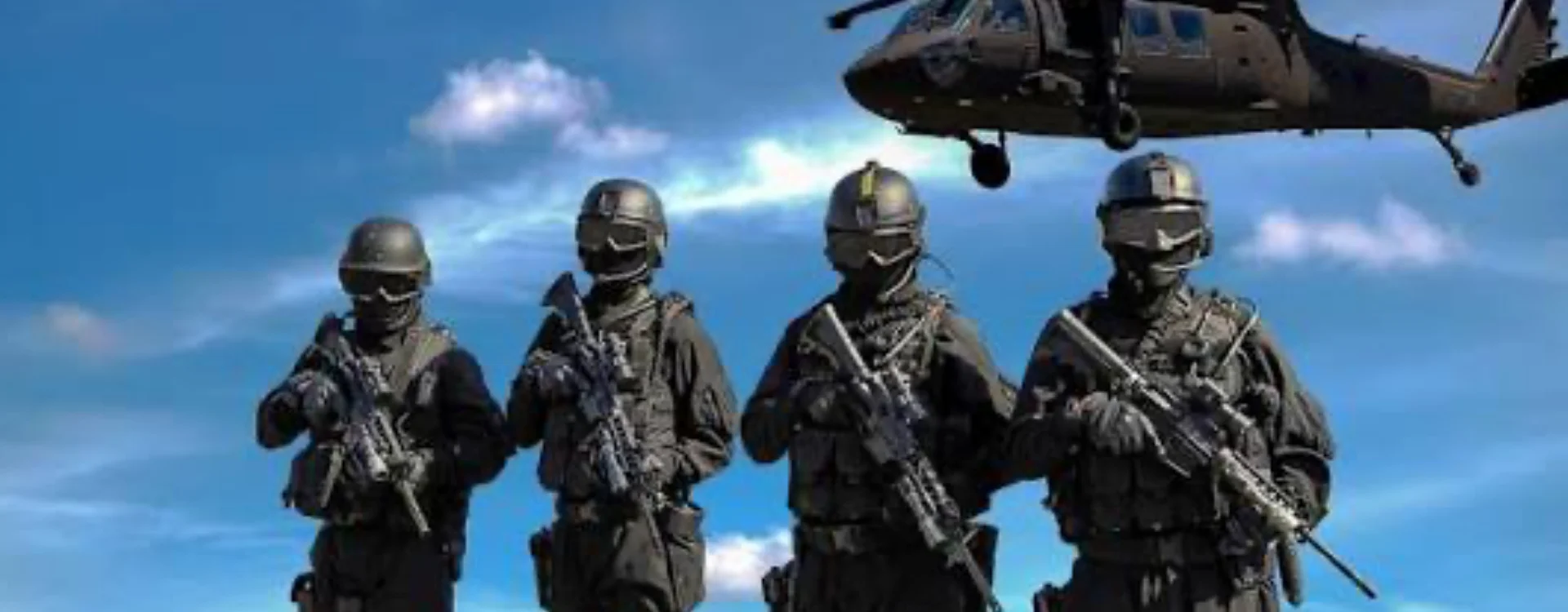
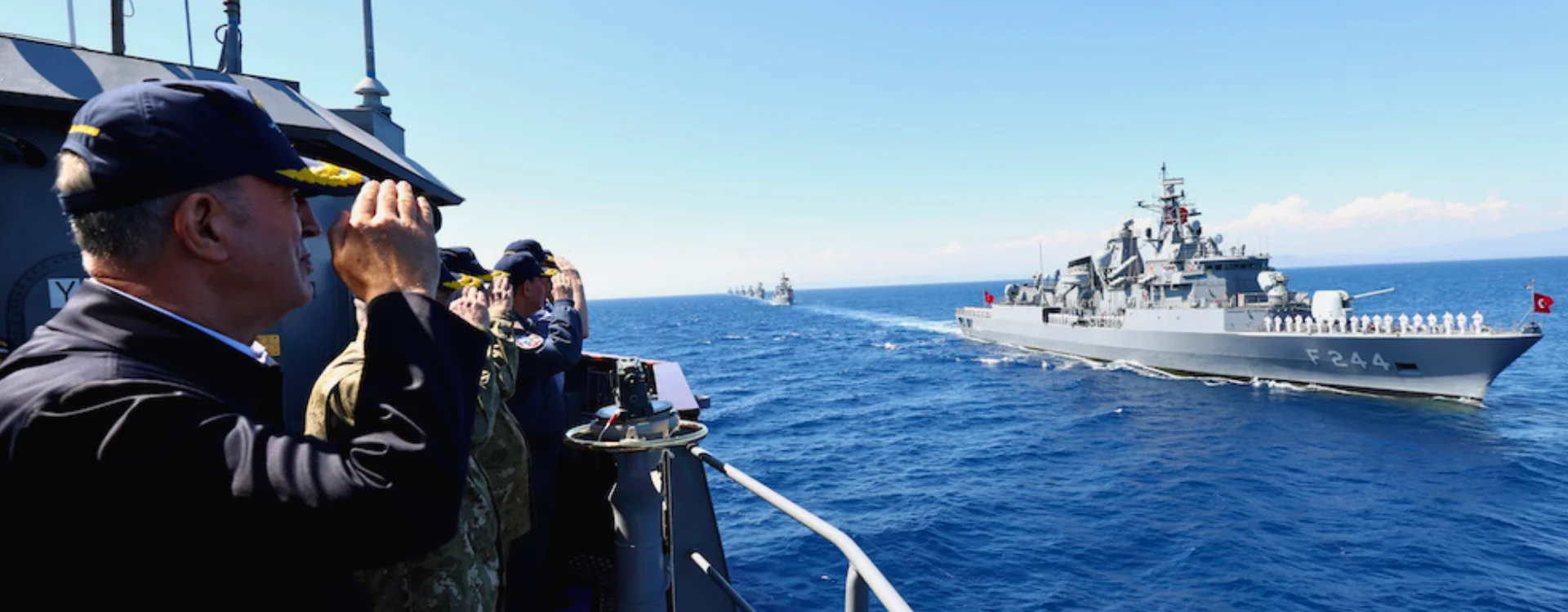
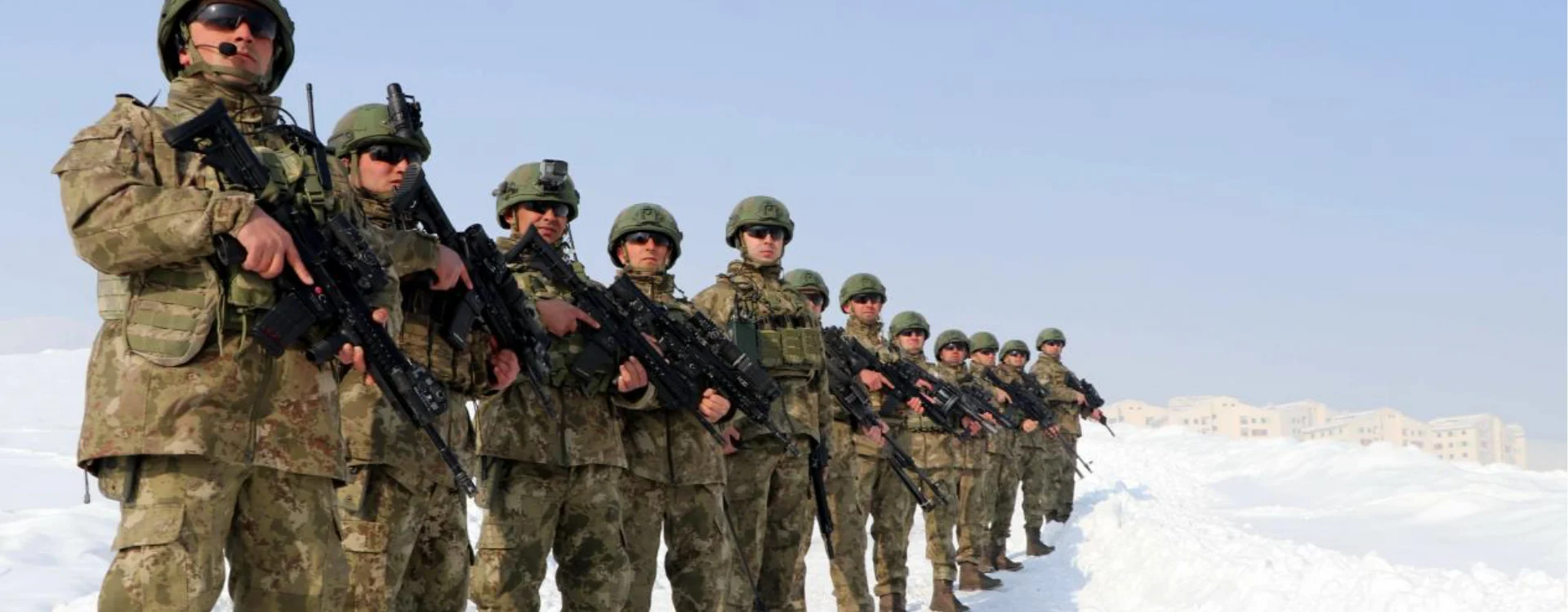
Combat stress refers to the psychological and physiological strain experienced by military personnel operating in war environments due to intense pressure, danger, uncertainty, and physical exhaustion. In modern warfare conditions, soldiers must deal not only with physical threats but also with high stress levels, pressure for rapid decision-making, long-term operations, sleep disorders, and traumatic events. These factors can directly affect operational performance and may lead to loss of concentration, decreased motivation, and decision-making errors. For this reason, combat stress management is considered not only an individual health issue for modern armed forces but also a strategic factor for operational success and security.
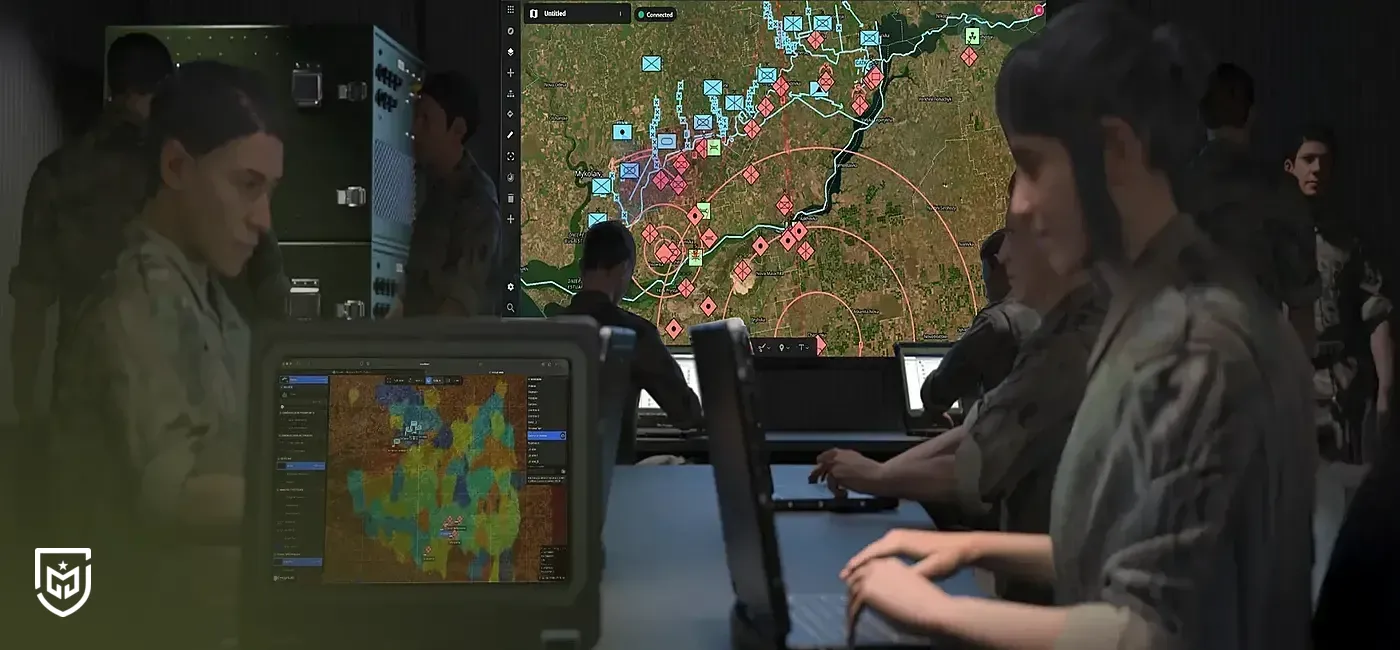
Combat stress management focuses on increasing psychological resilience, enabling personnel to act more effectively during crises, and reducing the long-term effects of trauma. Psychological support programs, stress control training, simulation-based preparation systems, team coordination exercises, and rehabilitation processes are among the primary methods used to strengthen the mental resilience of military personnel. Thanks to AI-supported analysis systems and digital training platforms, soldiers’ stress levels can now be monitored in greater detail, allowing personalized support programs to be implemented. Leadership skills, team spirit, and effective communication also play a major role in reducing combat stress. Today, combat stress management aims not only to reduce psychological pressure during warfare but also to support long-term mental health, operational efficiency, and sustainable defense capacity.


The cookies used on our website are used to provide you with a better user experience and to improve our website. You can manage your cookie preferences from the options below.




 Süheyla Yıldız