BREAKING NEWS
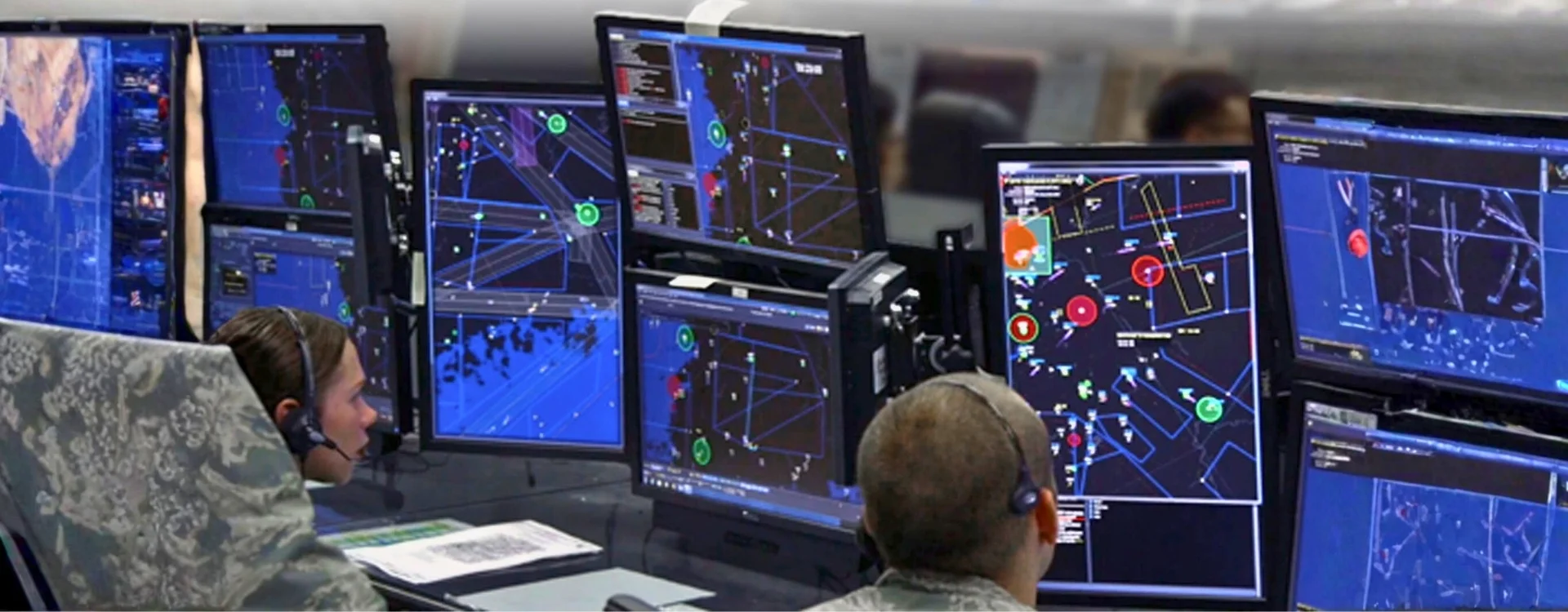
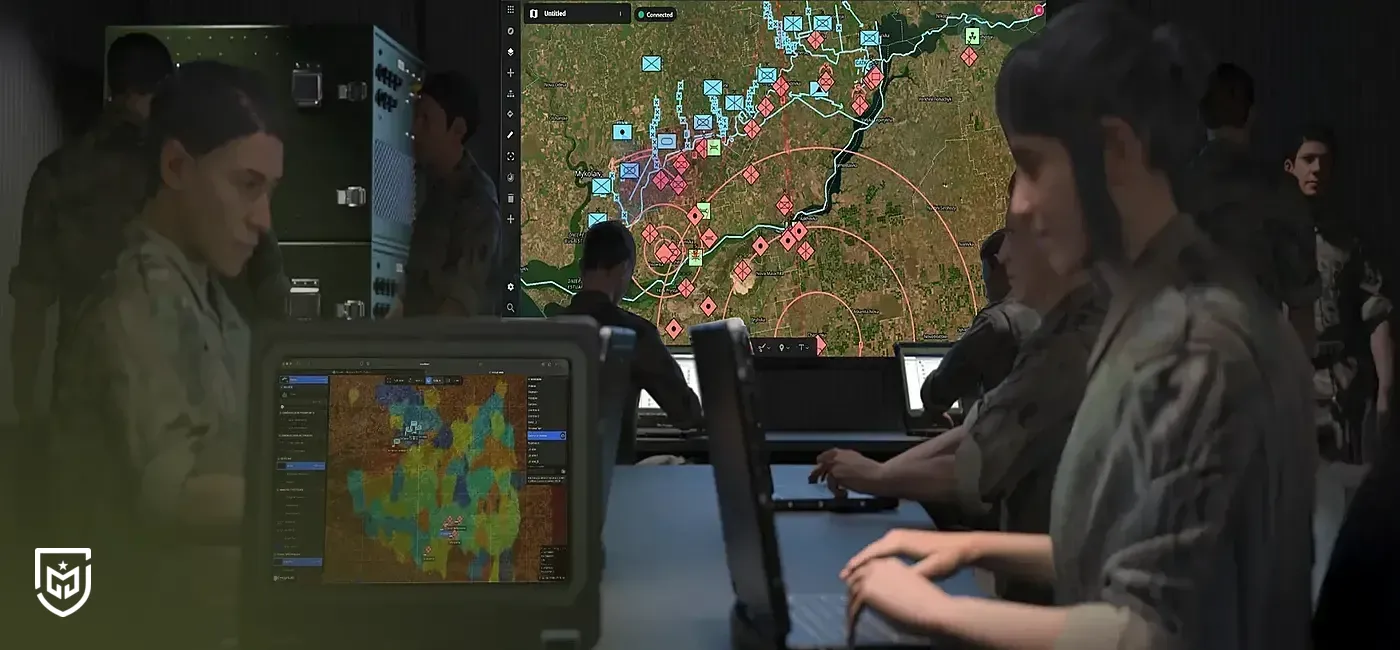
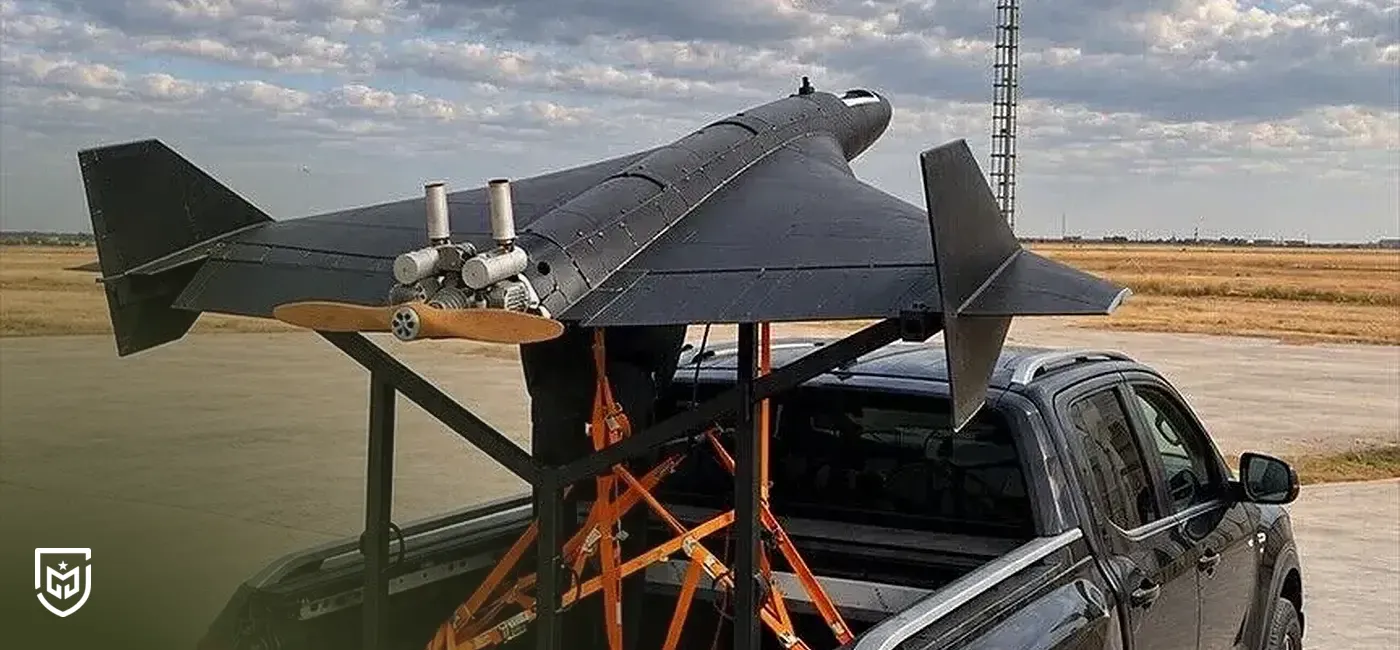
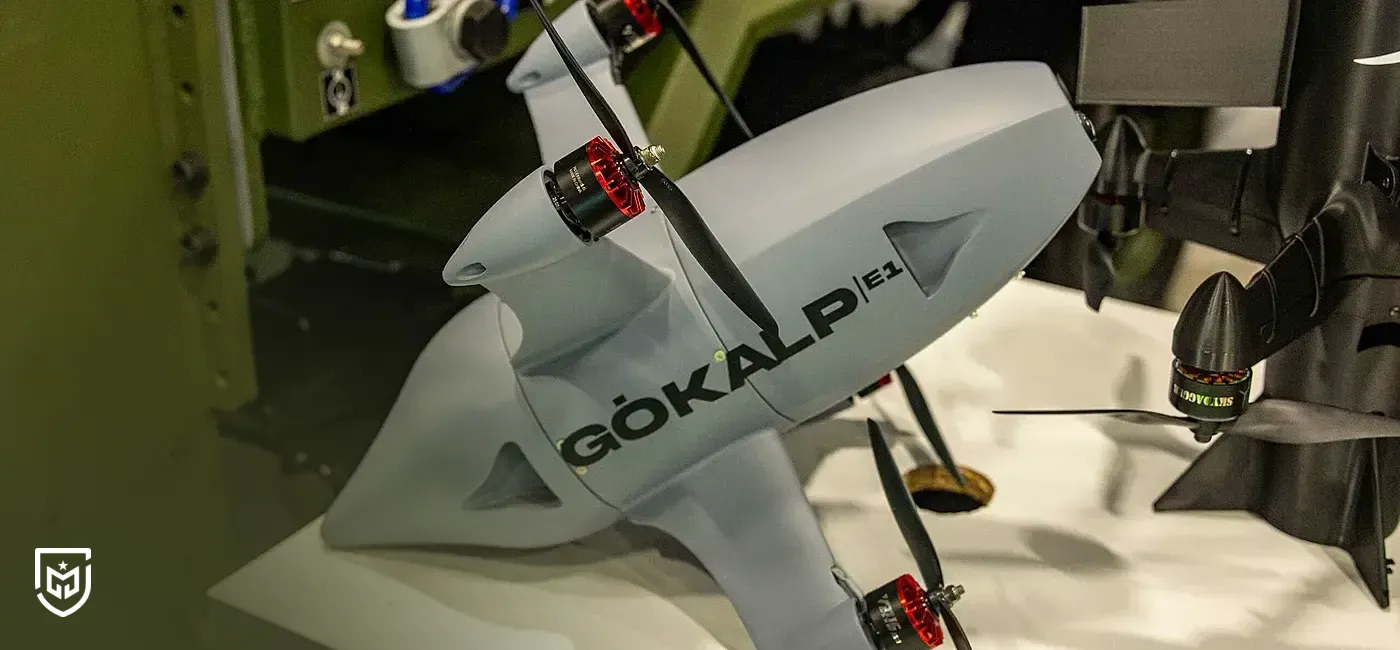
Big data on the battlefield has become one of the most critical technologies transforming modern military operations. Today, wars are no longer won solely by firepower, but by the side that can collect, process, and interpret data faster and more accurately. Massive streams of information flow continuously from satellites, unmanned aerial vehicles, radar systems, and ground sensors. This data enables real-time threat detection, precise target identification, and highly coordinated operational planning. In modern warfare, superiority increasingly depends on speed of information access and advanced data analytics capabilities rather than traditional combat strength alone.
From a technical perspective, battlefield big data operates in close integration with artificial intelligence, machine learning, and advanced analytics platforms. Research initiatives led by DARPA have accelerated the development of systems capable of analyzing millions of data points within seconds. Similarly, digital transformation projects within NATO focus on secure multinational data sharing and operational coordination. Defense contractors such as Lockheed Martin and data analytics firms like Palantir Technologies are developing sophisticated big data-driven battlefield management solutions. These systems support target prioritization, predictive threat modeling, logistics optimization, and cyber defense operations. Data fusion, predictive analytics, and autonomous decision-support mechanisms are now fundamental pillars of next-generation warfare. Success on the battlefield increasingly means not only physical dominance but also digital superiority.


The cookies used on our website are used to provide you with a better user experience and to improve our website. You can manage your cookie preferences from the options below.




 Süheyla Yıldız