BREAKING NEWS
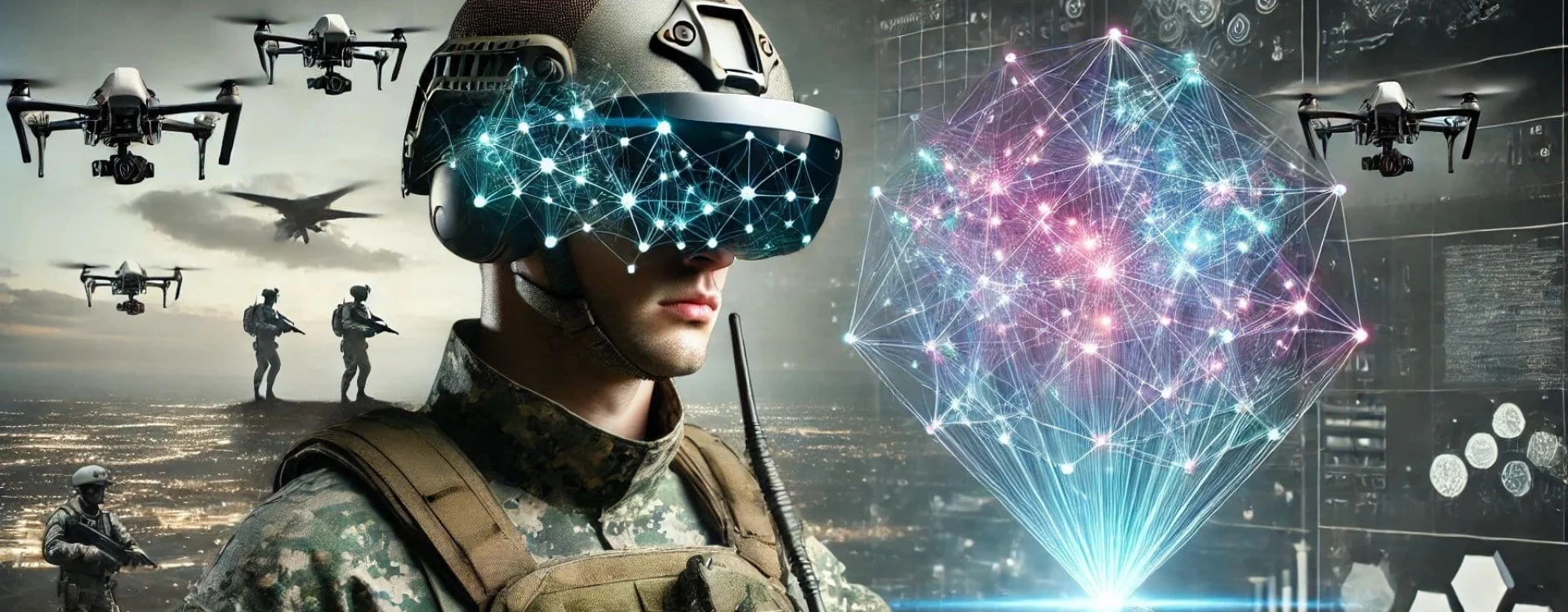
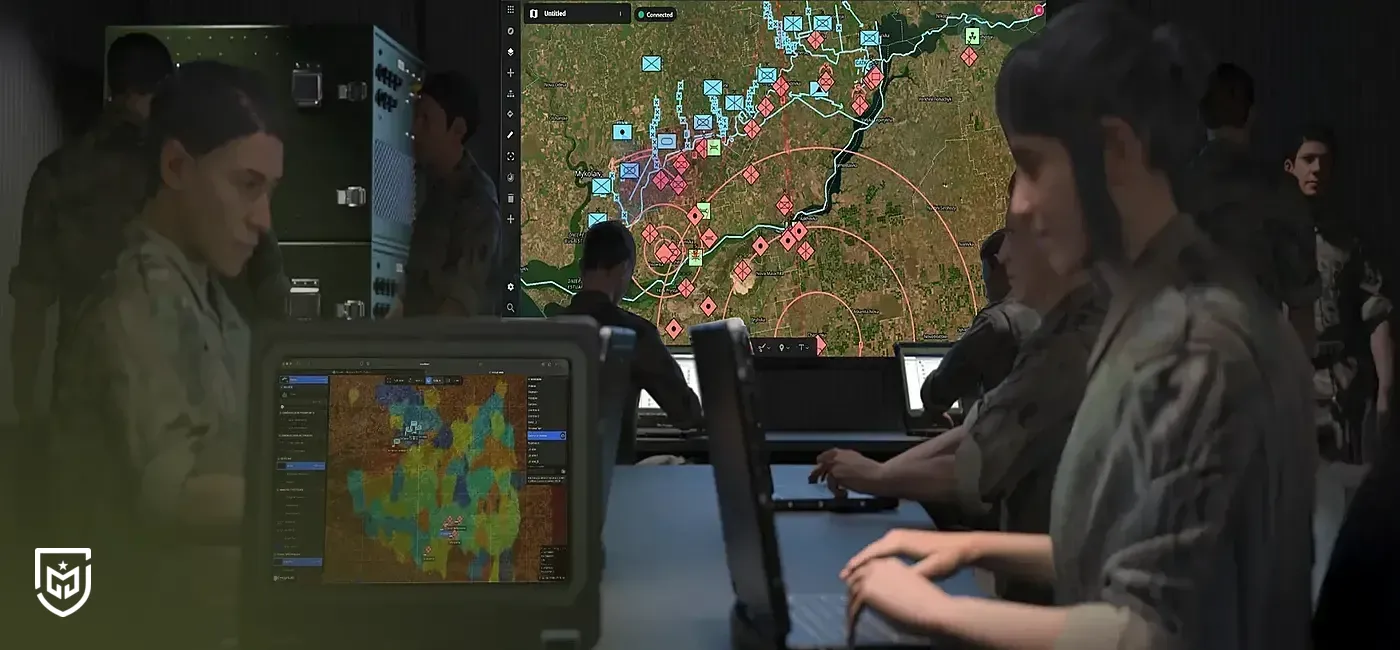
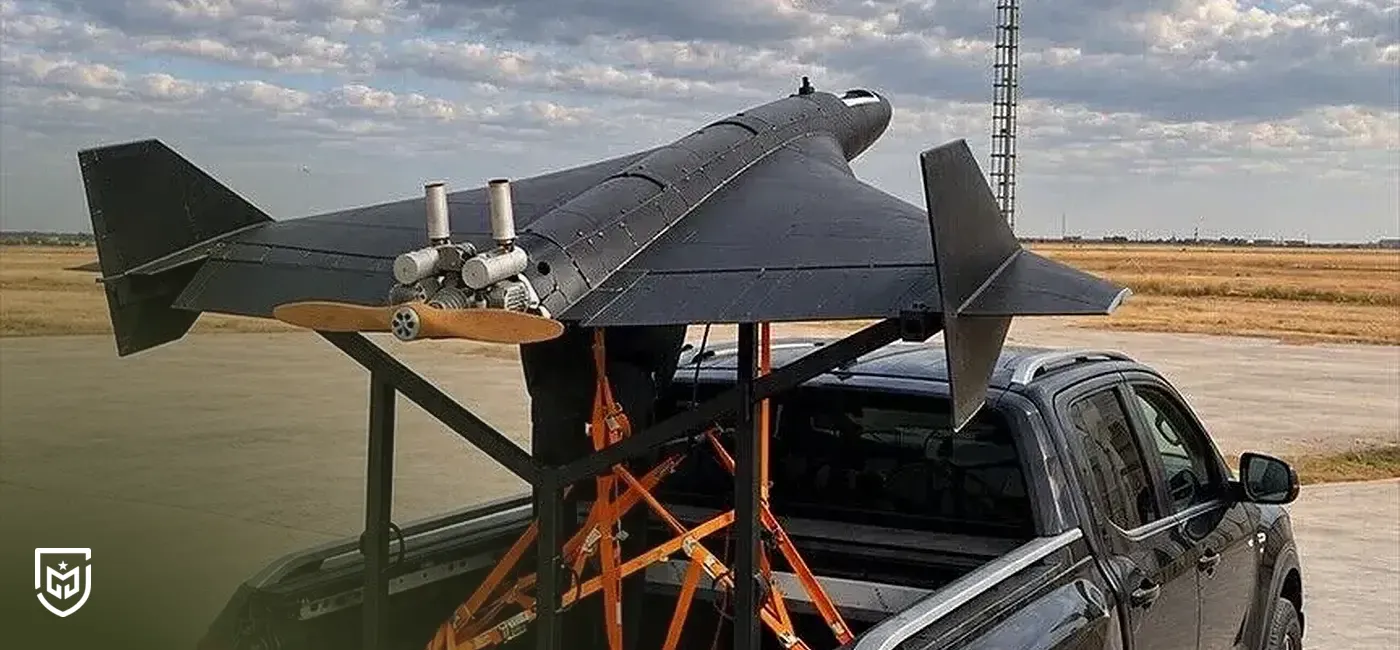
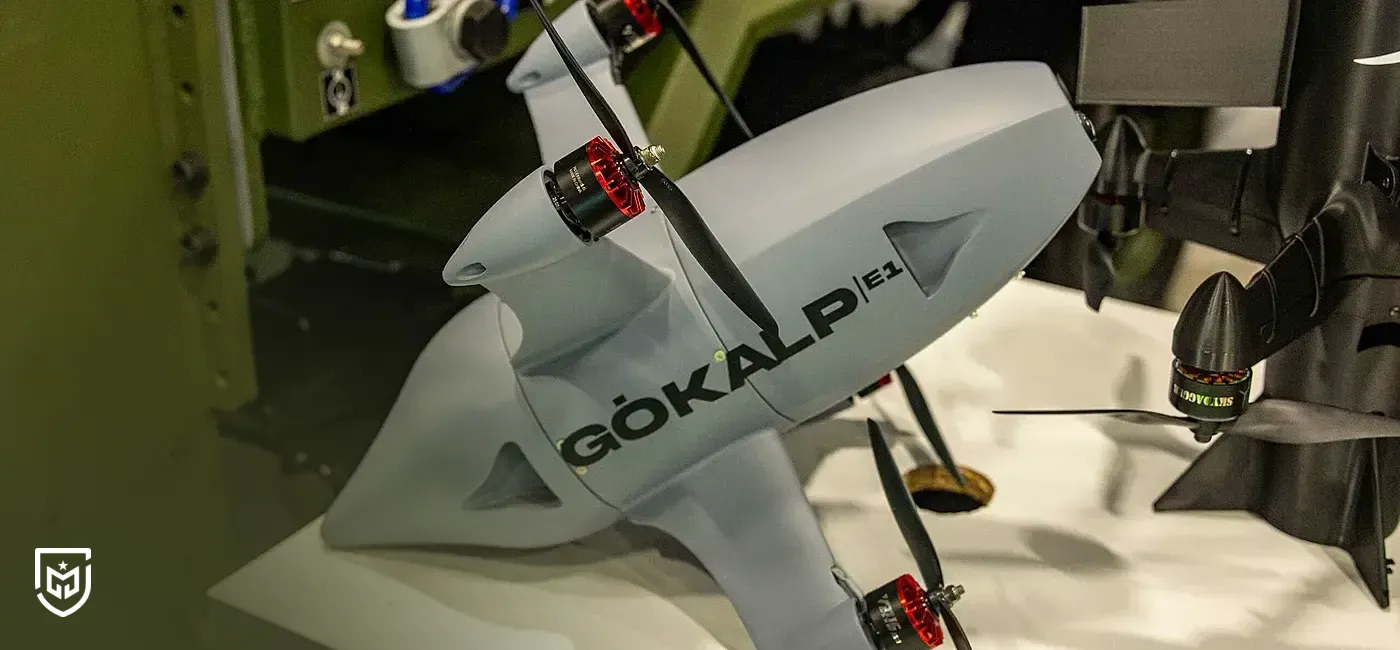
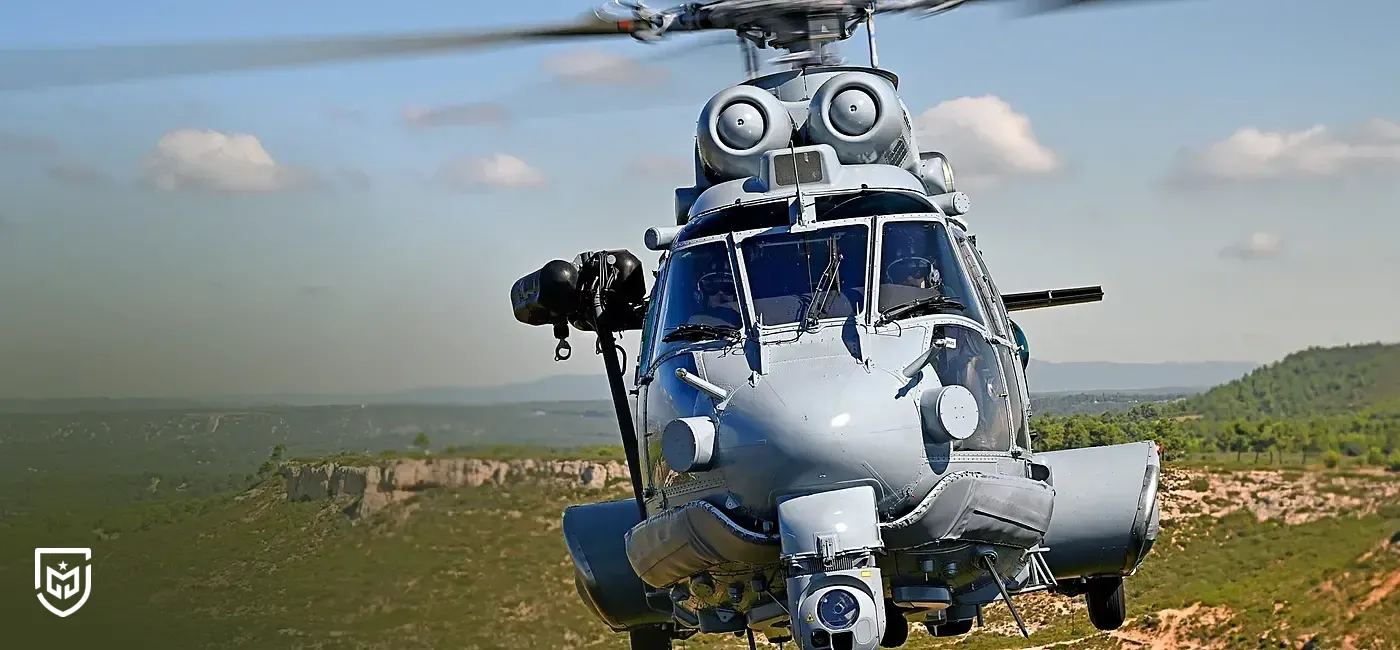
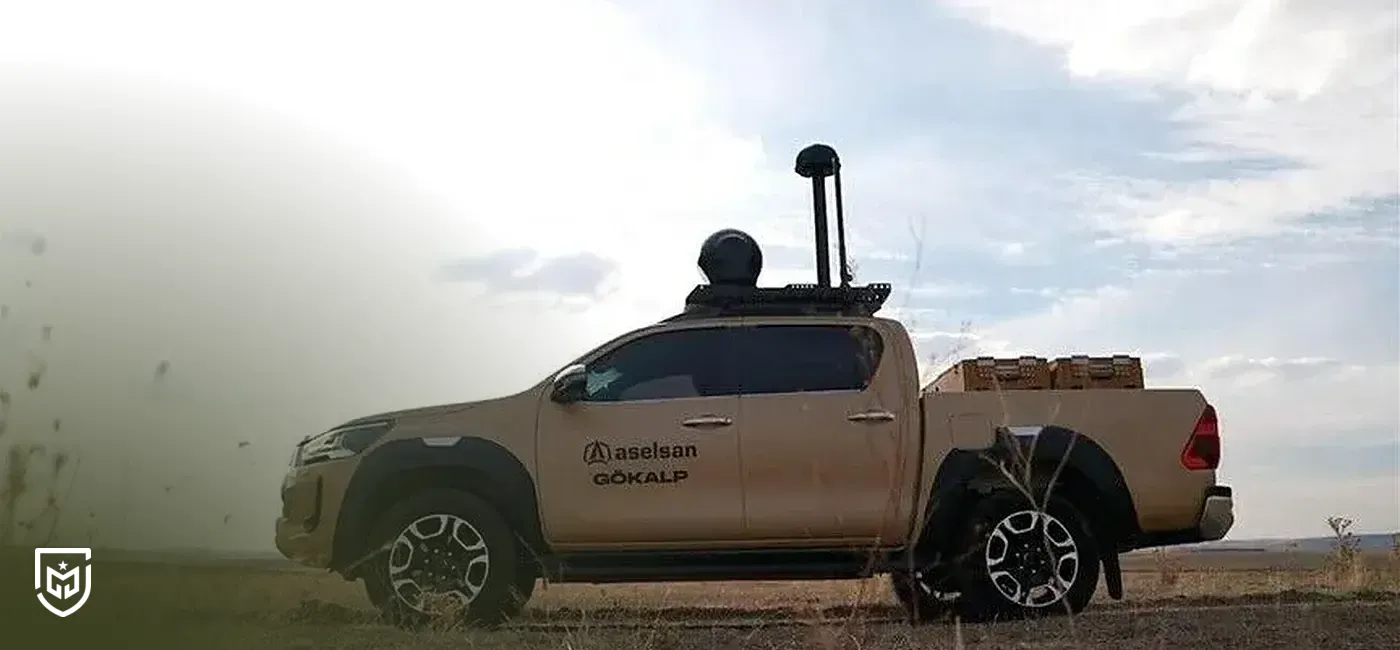
Artificial intelligence command systems stand out as one of the most strategic fields of modern defense technologies. As the amount of data on the battlefield rapidly increases, threats become more diverse, and operations grow more complex, traditional command methods alone are no longer sufficient. At this point, AI-supported command systems help military units operate more effectively by providing real-time data analysis, threat assessment, operational planning, target prioritization, and rapid decision support. Large data flows from radars, satellite systems, unmanned platforms, and sensor networks can be analyzed within seconds through artificial intelligence algorithms, delivering critical information to command centers.
Artificial intelligence command systems enable more coordinated and faster action in land, air, naval, cybersecurity, and electronic warfare operations. Digital command-control centers, autonomous analysis systems, AI-supported threat prediction, and data fusion technologies significantly improve operational awareness. These systems not only assess the current situation but also analyze possible scenarios and provide strategic forecasts for future operations. Especially during crises, AI systems that reduce human error and provide data-driven analysis create major advantages in defense operations. However, ethical responsibility, human oversight, cybersecurity, and reliable data management are also among the most critical parts of these technologies. As artificial intelligence command systems become more advanced in the future, human-machine collaboration is expected to form a stronger structure in the decision-making processes of modern armed forces.


The cookies used on our website are used to provide you with a better user experience and to improve our website. You can manage your cookie preferences from the options below.



 Süheyla Yıldız