


Electro-Optics and Sensors


BREAKING NEWS
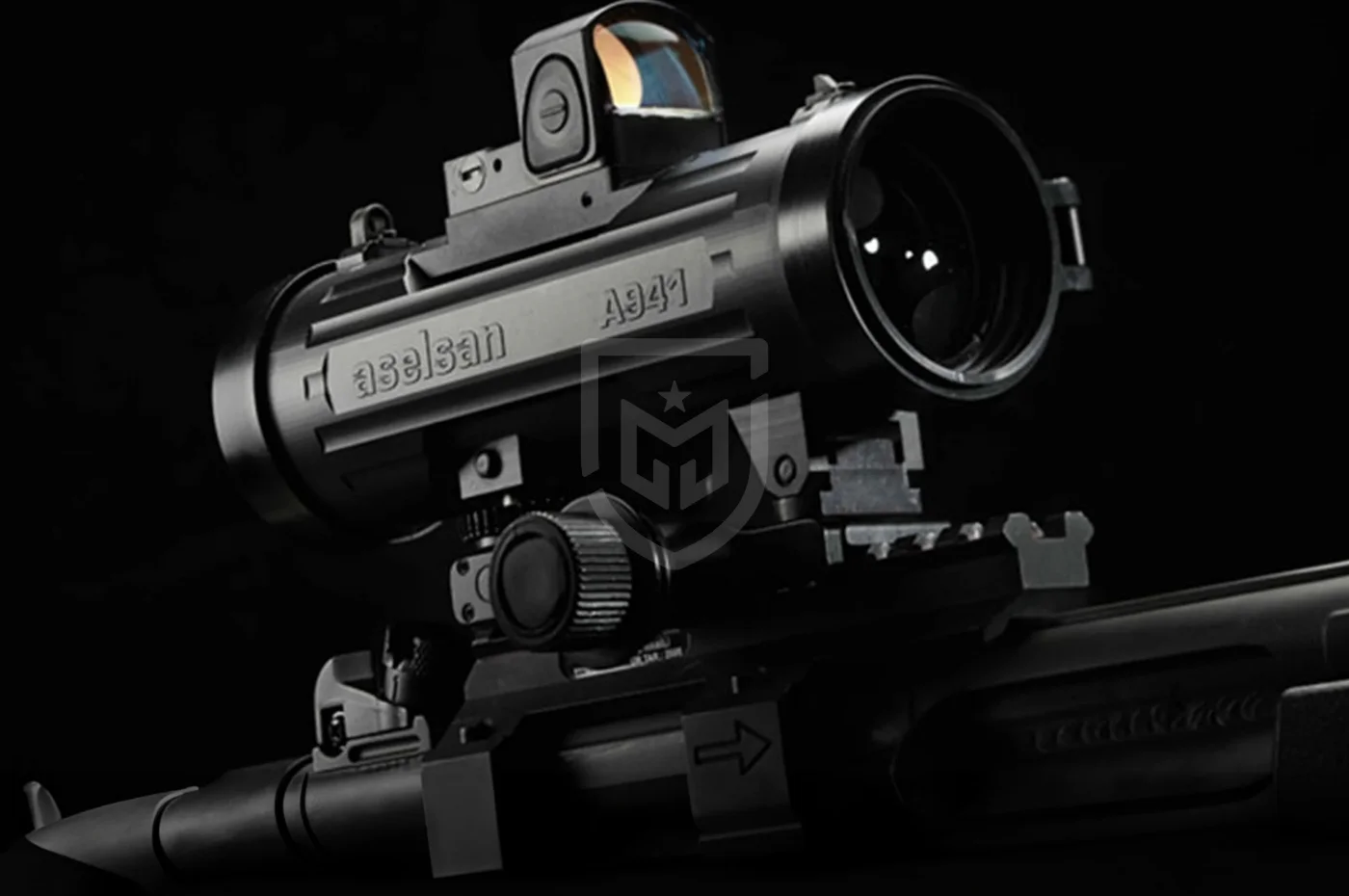
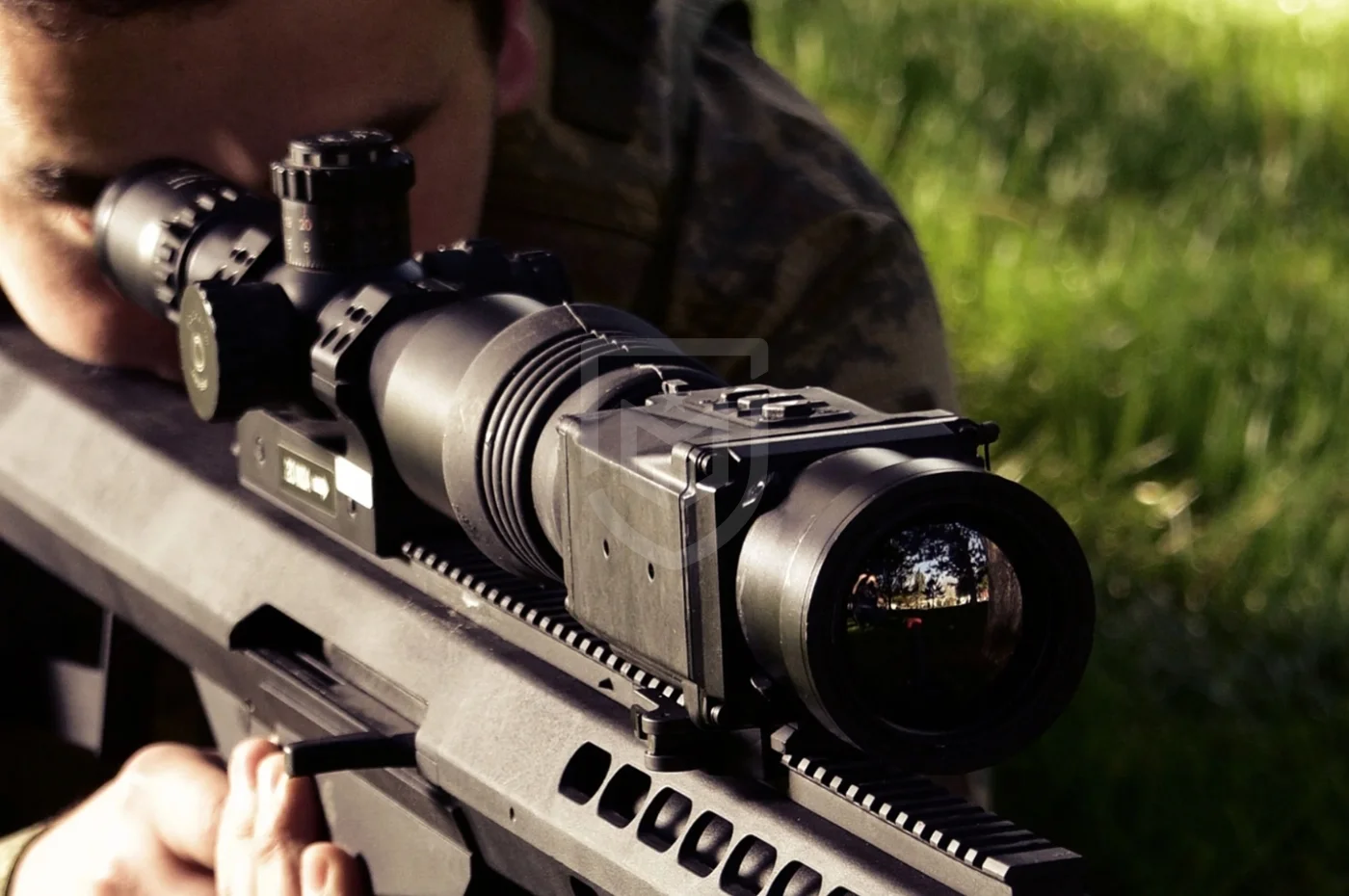
PITON and BOA thermal weapon sights are tactical electro-optical fire control aids developed to provide day/night engagement capability in modern asymmetric and conventional warfare environments. Contemporary battlefields demand uninterrupted operational effectiveness regardless of lighting conditions, smoke, fog, camouflage, or environmental obscurants. Thermal imaging technology overcomes these constraints by detecting infrared radiation emitted by objects rather than relying on reflected visible light.
Operational Purpose and Role
The primary mission roles of PITON/BOA include:
These systems are particularly suited for:
Doctrine and Concept of Employment
Modern infantry doctrine considers night operations a baseline capability rather than a niche specialization. Unlike image intensifier-based night vision devices, thermal systems operate passively and require no ambient light or IR illuminators, significantly reducing detection risk.
PITON and BOA function primarily as standalone thermal weapon sights. Publicly available sources describe them as independent weapon-mounted systems; clip-on forward attachment capability has not been publicly confirmed.
System Architecture
The system architecture consists of:
Image processing features include:
These features enhance operator situational awareness and improve target discrimination under complex thermal backgrounds.
Survivability and Ruggedization
PITON/BOA are designed in accordance with military environmental standards. Key durability characteristics include:
Detailed MIL-STD qualification levels are not publicly disclosed.
Engagement Process and Accuracy
The operational engagement cycle is as follows:
Digital zoom (x2, x4) enhances target observation; however, as with all digital magnification systems, image resolution decreases proportionally.
Advantages Against Modern Threats
Advantages:
Limitations:
Detailed Technical Specifications
Detector and Spectral Band
Uncooled architecture reduces system complexity and logistical burden compared to cooled thermal systems.
Optical Magnification and Field of View
Narrower FOV enhances long-range detail at the cost of peripheral awareness.
Minimum Focus Distance
Configurable options: 20 m or 50 m (model-dependent)
Physical Characteristics
Power System
Low power consumption enables prolonged mission endurance.
Video and Communication Interfaces
These features allow external recording or potential integration with command-and-control elements.
Display and User Interface
Frequently Asked Questions
What is PITON/BOA used for?
What is the effective range?
What targets can it detect?
How is it different from night vision?
Is it mobile or fixed?
Can it track multiple targets simultaneously?
What are its equivalents?
Sources



The cookies used on our website are used to provide you with a better user experience and to improve our website. You can manage your cookie preferences from the options below.