


Electro-Optics and Sensors


BREAKING NEWS
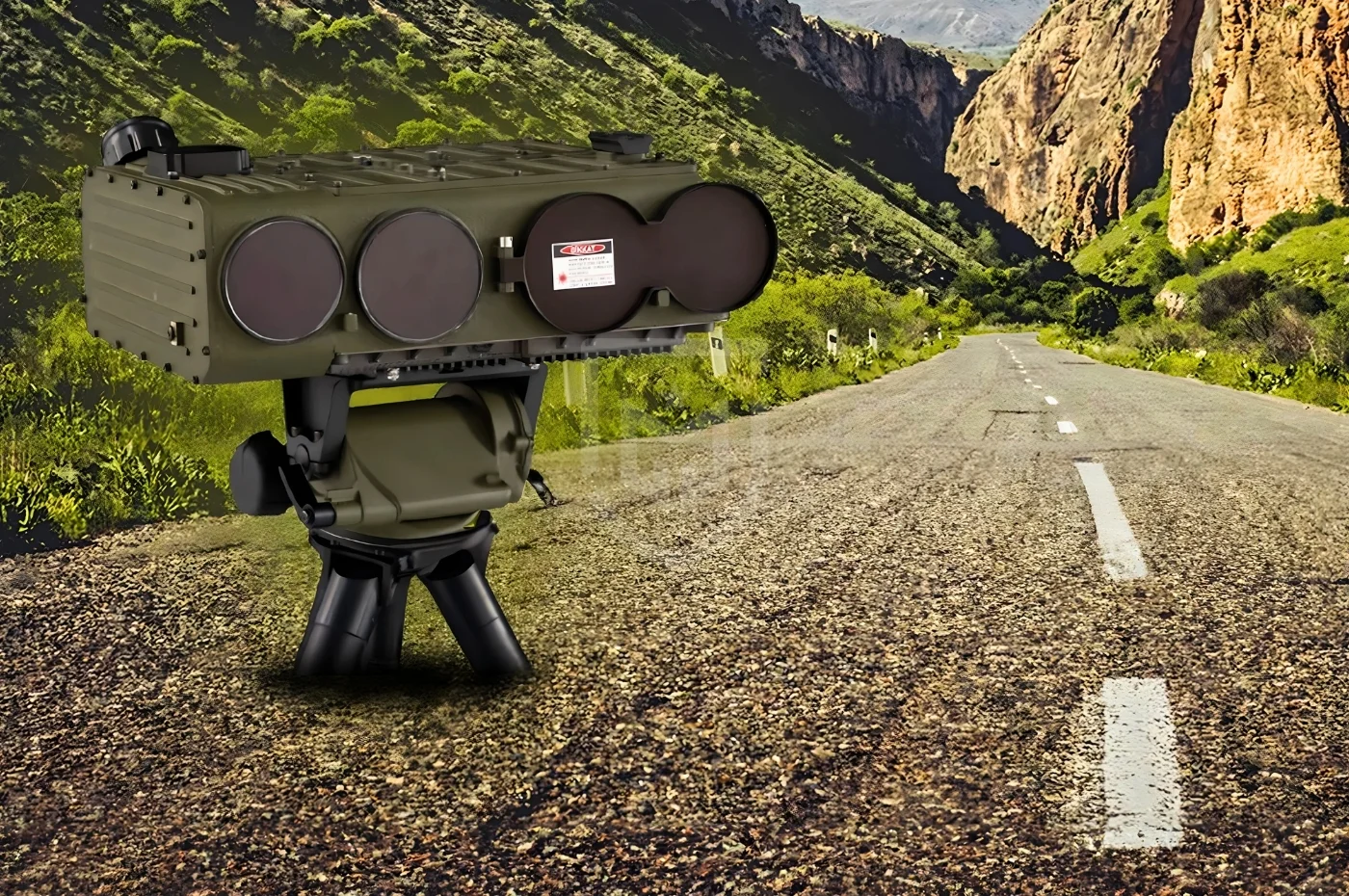
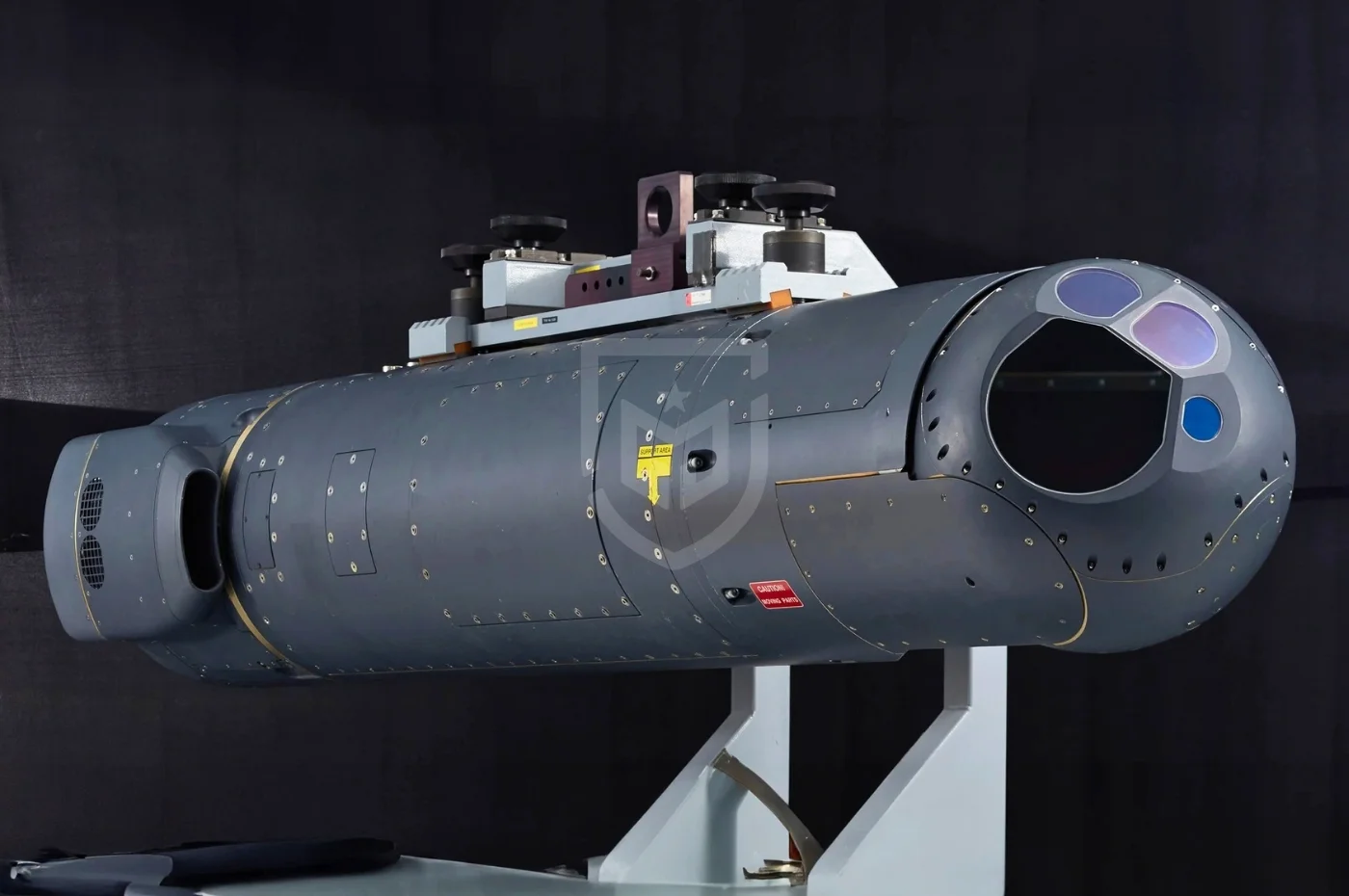
ENGEREK-M01 is designed to support Forward Air Controllers (FAC/JTAC), special operations units, and ground forces by enabling precise terminal laser illumination for air-delivered precision-guided munitions.
Operational Purpose and Role
The system provides terminal laser designation for:
In modern network-centric warfare, coordinates alone may not ensure precision against moving or time-sensitive targets. ENGEREK-M01 ensures high terminal accuracy by actively illuminating the target during the final attack phase.
Doctrine and Concept of Use
ENGEREK-M01 operates within three primary operational frameworks:
Joint Air-Ground Operations
Special Forces Operations
Platform Integration
System Architecture
ENGEREK-M01 consists of:
Laser Subsystem
Diode-pumped Nd:YAG laser technology
This ensures interoperability with a wide range of NATO-standard laser-guided munitions.
Engagement Process
Exact reaction times are not publicly disclosed.
Compatible Munitions
ENGEREK-M01 is compatible with semi-active laser-guided munitions including:
Its NATO-compliant coding architecture ensures broad international interoperability.
Survivability and Environmental Durability
As a non-RF emitting system, it presents a lower electronic signature compared to radar-based systems.
Advantages and Limitations
Advantages
Limitations
Detailed Technical Specifications
Dimensions and Weight
Laser Characteristics
Designation Range
Sensors and Imaging
Line-of-Sight Camera
Spot Imaging Camera



The cookies used on our website are used to provide you with a better user experience and to improve our website. You can manage your cookie preferences from the options below.