Electro-Optics and Sensors


BREAKING NEWS
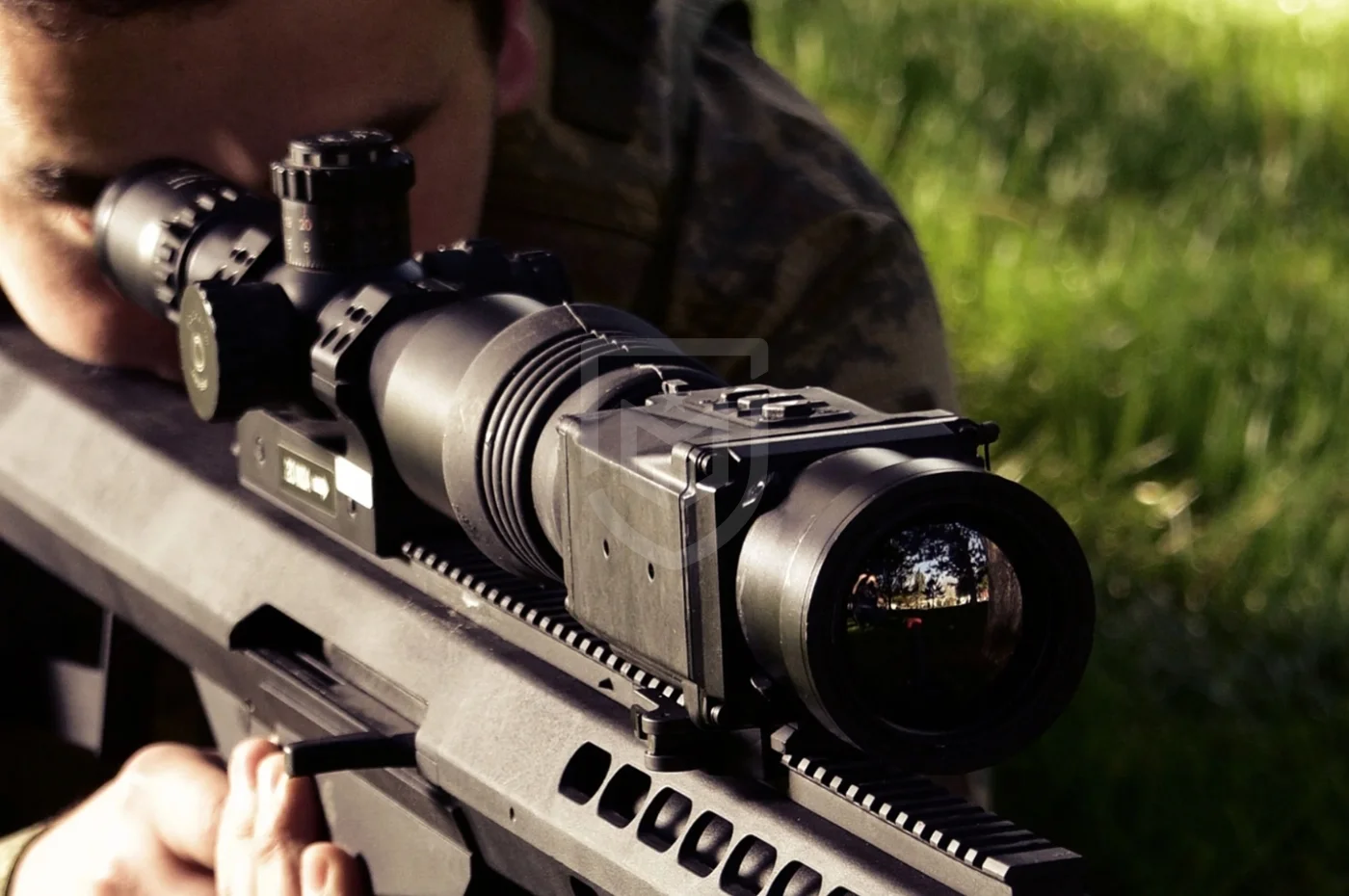
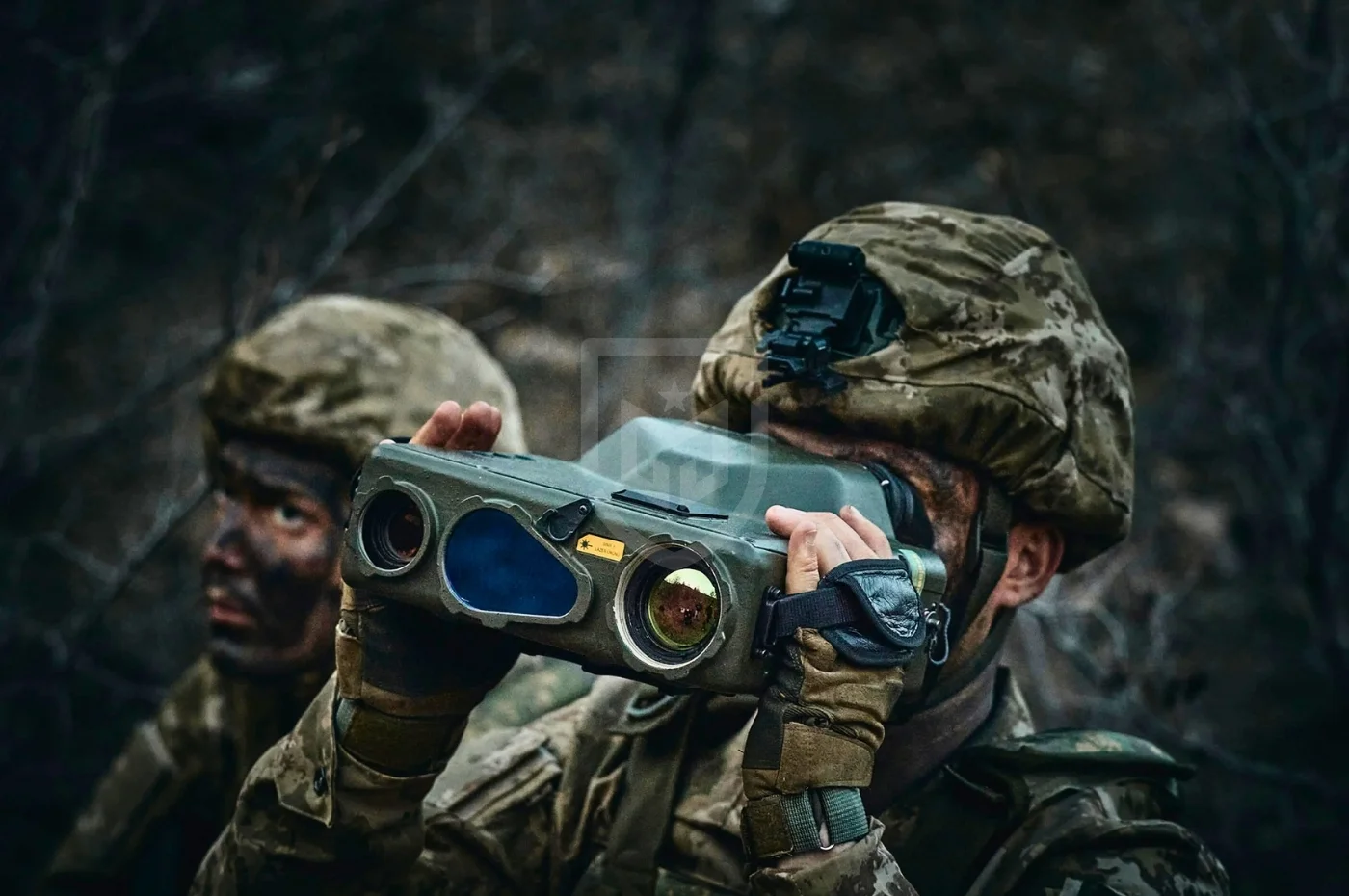
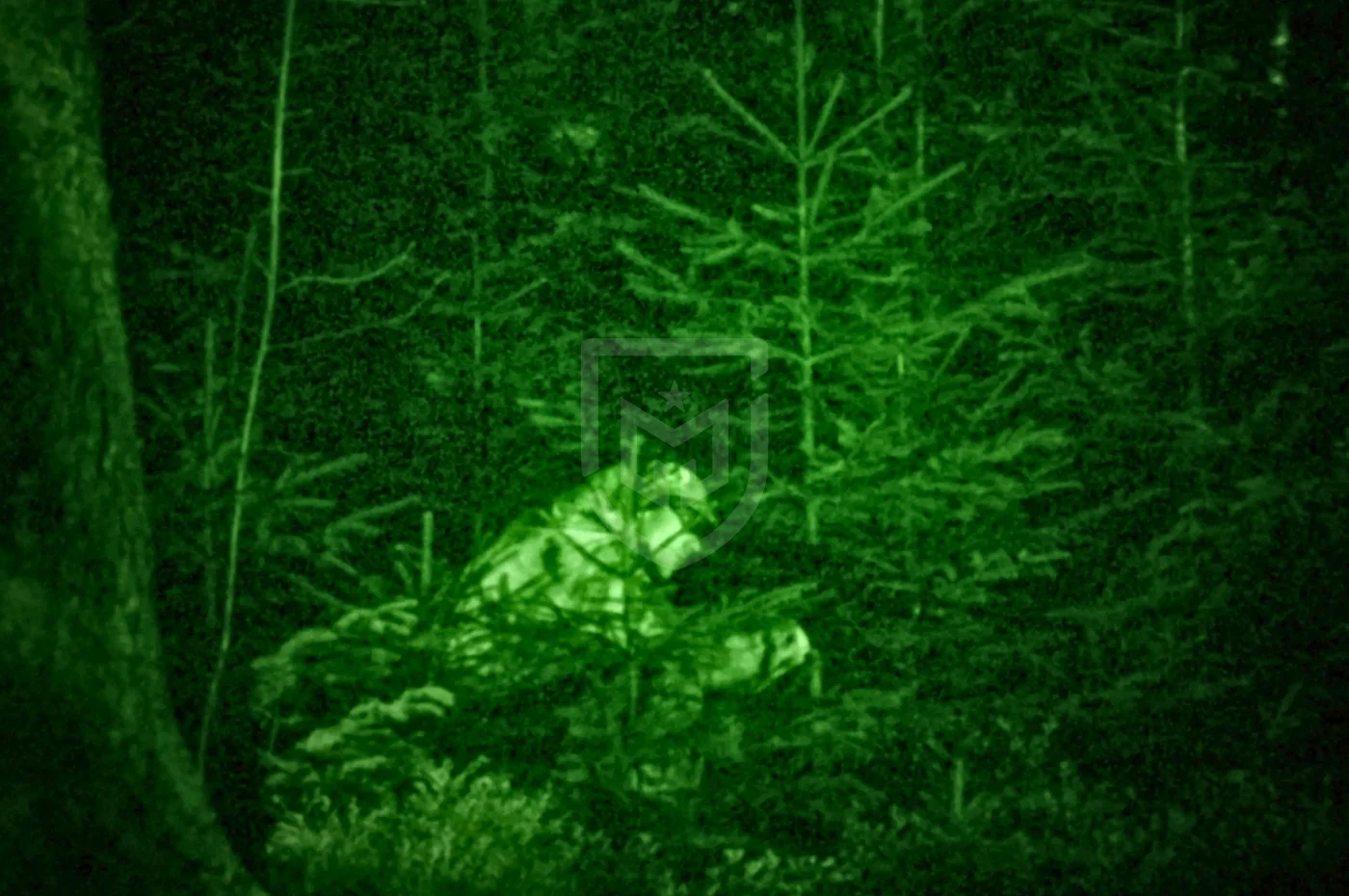
The Mini TSD family has been developed to enhance the night fighting capability of infantry and special operations units in modern combat environments. Contemporary battlefields present challenges such as darkness, smoke, fog, dust, and camouflage. Operating in the Long-Wave Infrared (LWIR) spectrum (8–12 µm), Mini TSD detects thermal signatures rather than visible light, enabling 24-hour operational capability independent of ambient illumination.
Operational Purpose and Role
The primary roles of the Mini TSD series include:
The Mini TSD-E variant maintains the core capabilities of the Mini TSD while incorporating configuration-level differences. Detailed technical distinctions between the two variants are not fully disclosed in publicly available sources.
Doctrine and Concept of Employment
Thermal weapon sights are integral to modern infantry doctrine, particularly in:
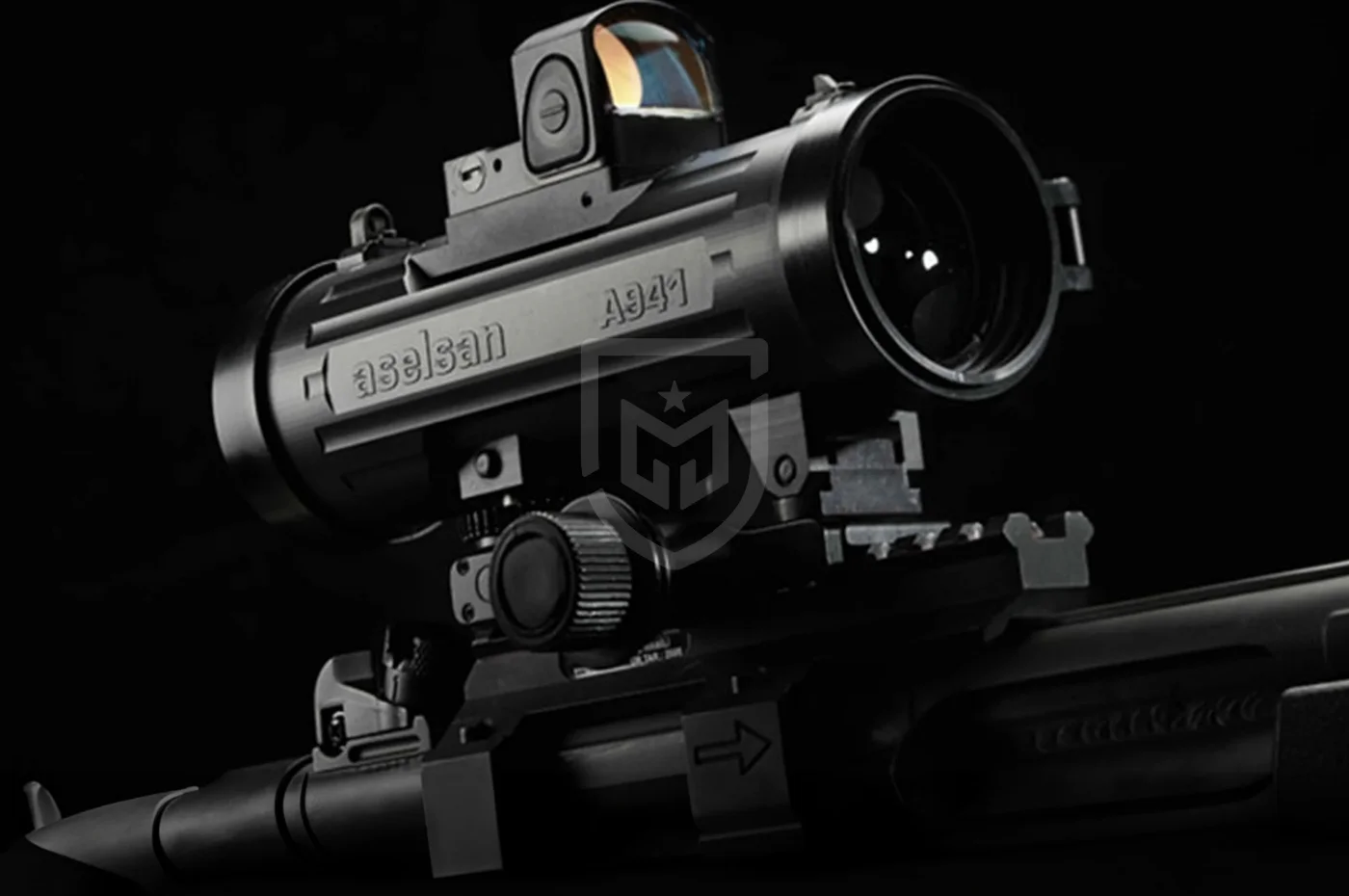
Unlike head-mounted night vision devices, thermal weapon sights are mounted directly onto the firearm, aligning detection and engagement within the same optical axis. The engagement sequence typically includes:
This integrated approach reduces reaction time and increases first-shot probability.
System Architecture
The Mini TSD architecture consists of:
The use of an uncooled detector eliminates the need for cryogenic cooling systems, resulting in:
Survivability and Durability
The system complies with MIL-STD-810G environmental standards and is designed to withstand:
This ruggedization ensures compatibility with 5.56 mm and 7.62 mm class infantry rifles. The housing is water-resistant; however, specific IP ratings are not publicly disclosed.
Imaging Performance and Reaction Capability
Digital magnification is software-based and may result in resolution degradation at higher zoom levels, which is typical for thermal imaging systems.
The system features:
These functions improve target discrimination under varying thermal backgrounds.
Integration and Ecosystem
Mini TSD supports:
The wireless capability enables image sharing for command oversight and training applications.
Advantages Against Modern Threats
Limitations:
Operational Use
ASELSAN thermal systems are deployed within the Turkish Armed Forces and security units. Exact procurement quantities for Mini TSD are not publicly disclosed.
Detailed Technical Specifications
Spectral Band and Detector
Field of View and Magnification
Weight
Power System
Environmental Specifications
Image Processing Features
Accessories
Standard:
Optional:
Frequently Asked Questions
What is the Mini TSD used for?
What is its operational range?
Does it use radar?
How long does it operate on battery?
Is it mobile?
Is it cooled or uncooled?
What are its equivalents?
Comparable systems include:
Mini TSD provides logistical and integration advantages within the Turkish defense ecosystem.
Sources



The cookies used on our website are used to provide you with a better user experience and to improve our website. You can manage your cookie preferences from the options below.