


Missiles and Rockets
Global Developments


BREAKING NEWS
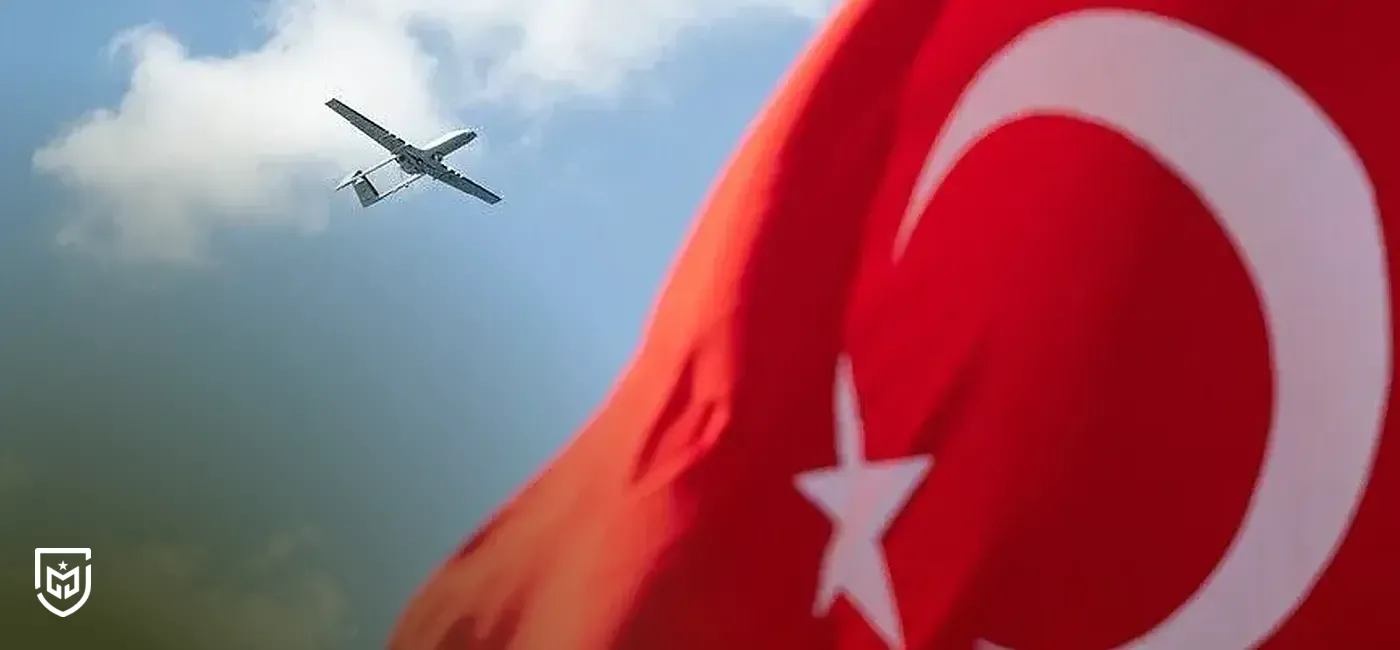
Global defense demand is entering a structural phase driven by geopolitical tensions, rising military expenditures, and transformation in warfare technologies. A BBVA Research report titled "Turkey - Defense Industry Potential" reveals that Europe, despite its strong industrial infrastructure, faces significant bottlenecks in production scale, speed, and ammunition stockpile replenishment. Europe's most acute capacity gaps concentrate in integrated air and missile defense, unmanned aerial systems and counter-drone platforms, cruise munitions, long-range firepower, and ammunition stockpiles.
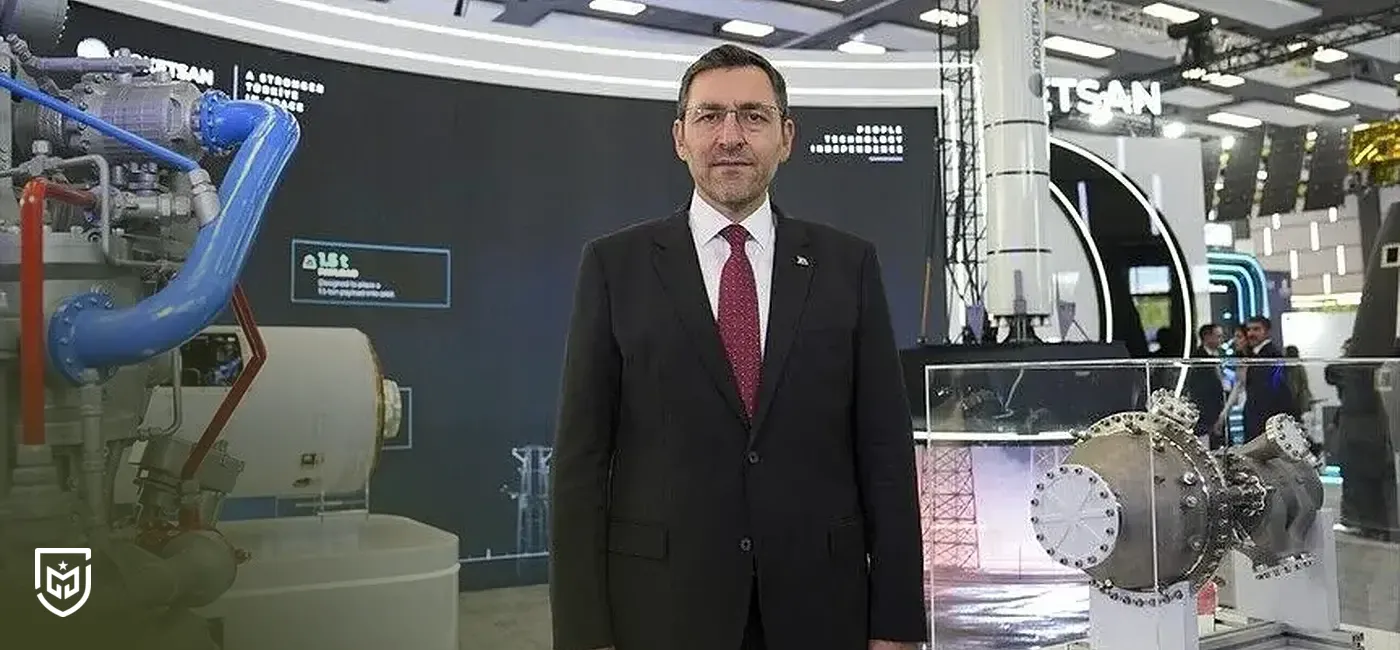
Turkey's defense industry capacity demonstrates the highest alignment potential with European needs in two areas: unmanned aerial systems and attack drones, and ammunition, explosives, and stockpile capacity. Companies such as ASELSAN, ROKETSAN, TUSAŞ, Baykar, and MKE possess the technological capabilities and production capacity to address European requirements. Turkey's flexible manufacturing base and experience in modern warfare technologies position it as a complementary partner for European defense. Joint production, local assembly, joint ventures, and supply chain integration represent the most viable pathways for Turkey's deeper integration into European defense manufacturing.
The weight of defense-related sectors in Turkey's economy is increasing significantly. Defense sector exports reached $10 billion in 2025, with localization rates in missile and rocket production exceeding 90 percent. Approximately 176,700 people are employed in defense-related sectors. These figures demonstrate that Turkey has become a major actor not only in production capacity but also in economic contribution and job creation within the defense sector. High localization rates reflect technological independence and positive contributions to trade balance.
Turkey's defense industry export markets extend beyond Europe. Africa, Asia, and Gulf countries have become important markets for Turkish defense products. Cost-effective and rapidly deliverable systems stand out in Africa, joint production and technology transfer in Asia, and localization, joint ventures, and technology partnerships in Gulf states. This diversification strategy enables Turkey's defense sector to distribute risks and establish strong positioning across different geographies.
Turkey's competitive advantage in coming years depends on advances in artificial intelligence, autonomous systems, cybersecurity, space, and advanced technologies beyond simply increasing production of existing platforms. Europe's need for scale, speed, and field-deployable capacity, combined with Turkey's competitive platforms, flexible production capacity, and experience in rapidly evolving modern warfare domains, creates complementary partnership potential. Effective management of these constraints could position defense cooperation as one of the most significant industrial and geopolitical opportunities of the next decade.


The cookies used on our website are used to provide you with a better user experience and to improve our website. You can manage your cookie preferences from the options below.
 Tolga Demirel
Post Comment
Comments
No comments yet.
Related News
ROKETSAN Emphasizes International Cooperation at 77th Space Congress
Rubio's Athens visit: Greek missile procurement on agenda
HÜRSAT-1 Satellite Set for Launch in Mid-2027
ASELSAN Expands TOLUN Munition Family with New Variants
ASELSAN Seeks Japan Partnership in Air Defense and Underwater Drone Systems
TUSAŞ Unveils HÜRSAT: New Generation Earth Observation Satellite Family
Turkish defense and aerospace exports reach $634 million in September
Northrop Grumman YFQ-48A Talon Blue Completes Autonomous Flight Test