

Air Forces News


BREAKING NEWS
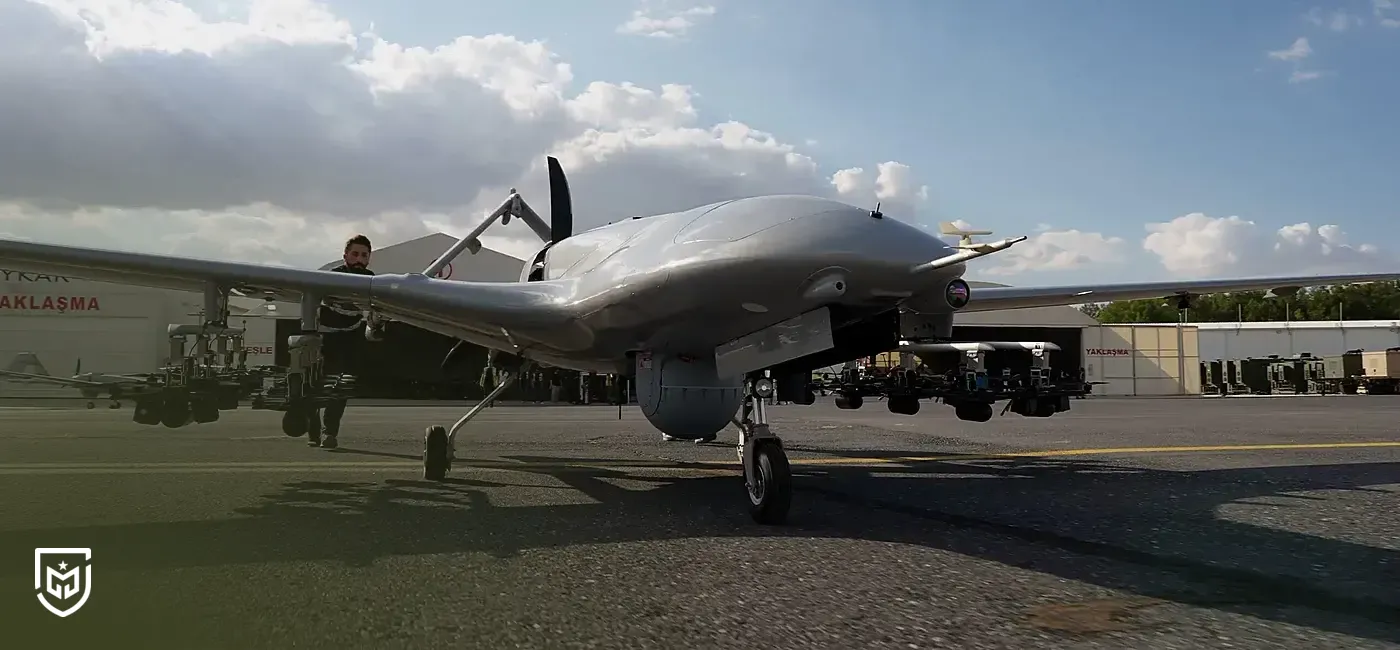
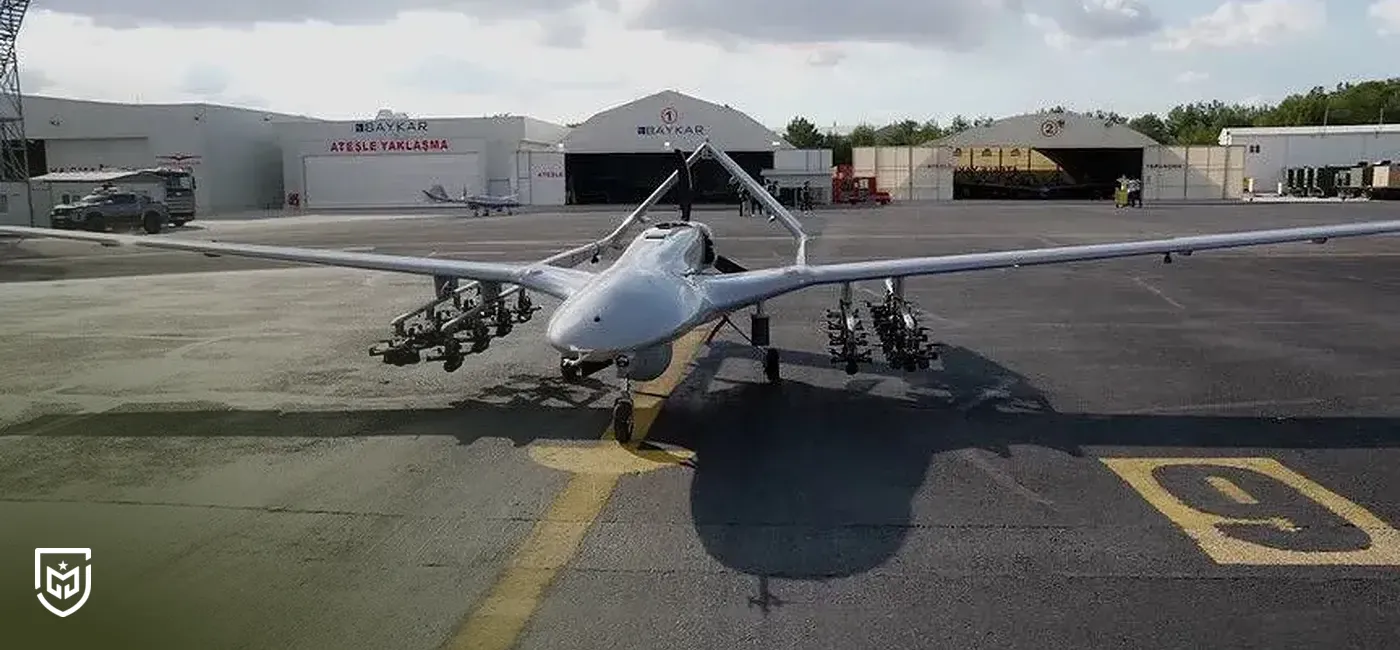
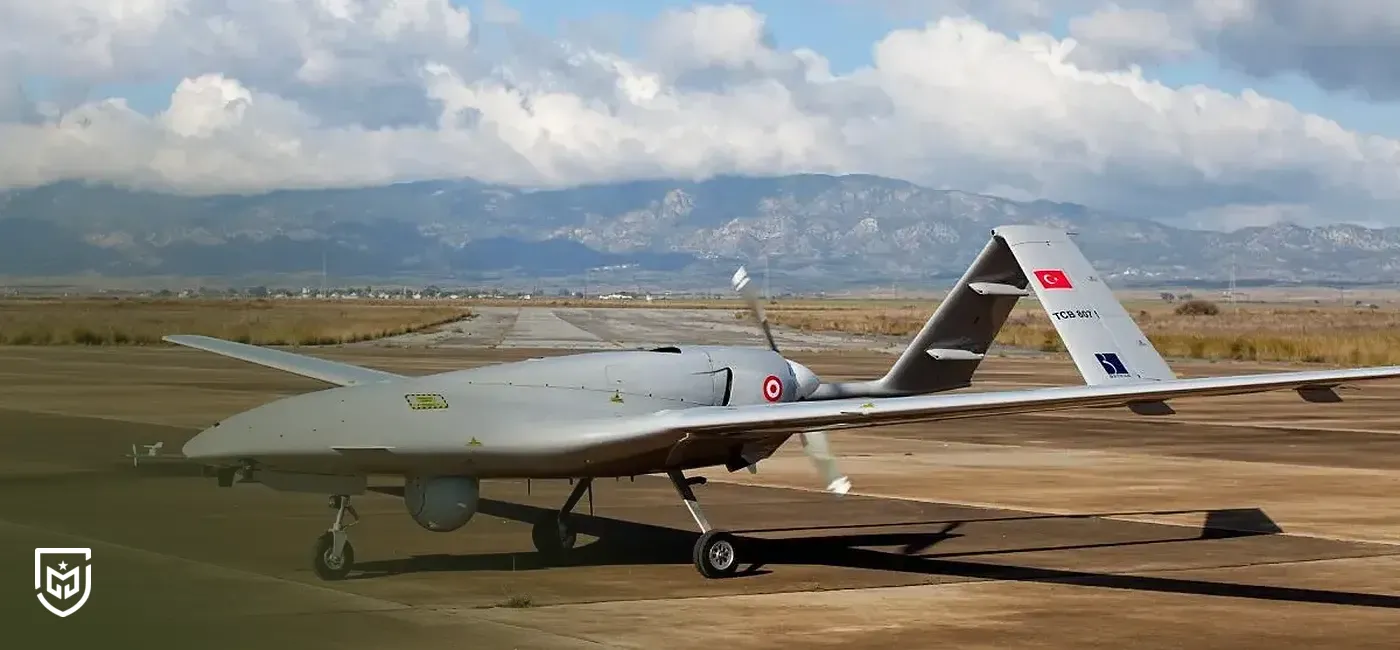
Bayraktar conducted a new test series in which the Bayraktar TB2 unmanned aerial vehicle demonstrated the capability to carry and deploy 16 FPV drones from its wing pylons. The test involved 8 drones mounted on each wing, which were successfully transported to target areas and released. Video footage released from the test showed the FPV drones striking their intended targets after deployment.
The Bayraktar TB2 is among Turkey's most successful unmanned aerial platforms. Known for its fixed-wing design, extended endurance, and high-altitude performance, the system features an architecture suitable for various weapons and sensor integrations. The application of the mothership concept expands the TB2's operational use cases significantly. Beyond its existing weapon systems, the FPV drone carrier role enhances operational flexibility and mission diversity for the platform.
The concept of larger unmanned aerial vehicles carrying FPV drones has become widespread, particularly during the Russia-Ukraine conflict. In this approach, the carrier platform (mothership) transports small FPV drones to target areas while the drones independently execute their missions. The primary advantage of this concept is extending the limited range of FPV drones and expanding the operational area. Additionally, the carrier UAV can serve as a communications relay station, maintaining signal connectivity between FPV drones and operators over extended distances. This mitigates control issues caused by terrain obstacles and signal loss.
Within the Turkish defense industry ecosystem, this new capability of the Bayraktar TB2 increases platform versatility and enhances the operational value of existing systems. The mothership concept represents an evolution in Turkish UAV technology. While platforms such as Bayraktar TB2 and AKINCI were previously recognized for their core mission capabilities, these systems now support multi-layered operational scenarios. FPV drone integration demonstrates the interoperability of indigenous solutions developed by Turkish defense industry with small-scale unmanned systems.
In the global defense industry context, the use of unmanned aerial vehicles as carrier platforms aligns with NATO standards and emerging trends. Western defense companies are also exploring similar concepts and investigating FPV drone integration. The successful test of Bayraktar TB2 demonstrates that Turkish technology meets international standards. Furthermore, the integration with domestically produced FPV drones (Skydagger) showcases the cohesive operation of the Turkish defense industry supply chain and the high localization rate achieved in these systems.


The cookies used on our website are used to provide you with a better user experience and to improve our website. You can manage your cookie preferences from the options below.
 Tolga Demirel
Post Comment
Comments
No comments yet.
Related News
HÜRKUŞ Training Aircraft Reaches Four Units in Air Force Inventory
Bayraktar TB2 Conducts Integrated Operations with FPV Kamikaze Drones
TUSAŞ helicopter production reaches 136 units
Two additional HÜRKUŞ II training aircraft delivered to Turkish Air Force
Bayraktar TB2 Successfully Deploys Skydagger FPV Kamikaze Drones in Precision Strike Test
Turkish Coast Guard to receive unmanned systems and modernized helicopters
Turkey-Kazakhstan Defense Partnership Deepens, Target $15 Billion in Trade
STM to showcase national technologies at six international defense exhibitions