




Global Developments


BREAKING NEWS
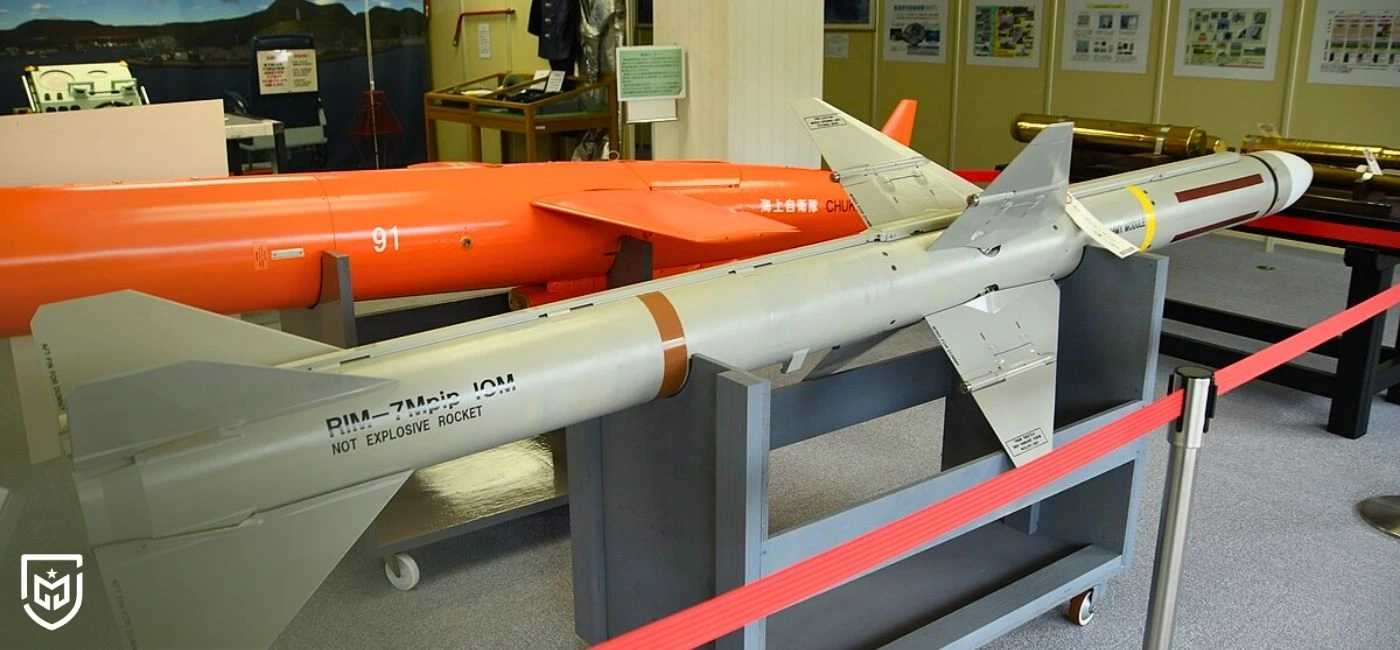
During the most intense years of the Cold War, US aircraft carriers and NATO naval forces faced a persistent and dangerous threat from Soviet bombers and anti-ship cruise missiles. Long-range interceptors alone were not sufficient to stop fast, low-flying targets, especially sea-skimming missiles designed to evade radar detection. To counter this danger, naval forces required a rapid-response, short- to medium-range missile system capable of defending ships at close range. This requirement led to the development of the RIM-7 Sea Sparrow.
The RIM-7 Sea Sparrow was derived from the AIM-7 Sparrow air-to-air missile, adapted specifically for shipboard use. Entering service in the early 1970s under the NATO Sea Sparrow Missile System (NSSMS), it quickly became a standard point-defense weapon across allied fleets. Aircraft carriers, cruisers, and destroyers were equipped with Sea Sparrow launchers, significantly strengthening NATO’s layered naval air-defense posture and improving interoperability among member nations.
Designed for point defense, the RIM-7 offered an effective engagement range of approximately 10 to 20 nautical miles. It filled the critical gap between long-range missiles such as the Standard Missile family and close-in weapon systems like the Phalanx CIWS. Equipped with a blast-fragmentation warhead and semi-active radar homing guidance, the missile relied on continuous radar illumination from the launching ship to track and destroy incoming threats before impact.
As the system evolved, later versions of the Sea Sparrow became compatible with vertical launch systems, increasing flexibility and survivability. This evolutionary path ultimately led to the development of the RIM-162 Evolved SeaSparrow Missile (ESSM), which offers greater range, improved maneuverability, and enhanced guidance capabilities. ESSM remains a cornerstone of modern naval air defense and directly builds upon the operational experience gained with the RIM-7.
Despite limitations such as shorter range and dependence on continuous radar guidance, the RIM-7 Sea Sparrow served reliably for decades. It played an important role in operations such as the 1991 Gulf War and NATO maritime patrols, proving its value as a dependable last line of defense. The legacy of the RIM-7 endures today, having laid the foundation for modern cooperative naval missile defense systems.


The cookies used on our website are used to provide you with a better user experience and to improve our website. You can manage your cookie preferences from the options below.
 Rabia Kılıç
Post Comment
Comments
No comments yet.
Related News
Altınay Defense Group Transitions to New Management Structure
BAE Systems and Lockheed Martin Unveil Blizzard Multi-Mission Unmanned Aircraft
Anduril's Ohio Facility Produces First YFQ-44A Fury Unmanned Combat Aircraft
BAE Systems Raises Outlook as Global Defense Demand Continues to Surge
South Korea's envoy highlights KAAN fighter jets as cornerstone of defense partnership with Türkiye
ASELSAN's Electro-Optical System Integrated into South Africa's Mwari Aircraft
TAI Chief: Turkey Shaping NATO's Future Security Architecture
Anduril Thunder: Autonomous Attack Helicopter with Level 5 Autonomy Capabilities