Air Forces News
Electronic Systems
Global Developments

US Army Successfully Intercepts Cruise Missile Targets with IBCS in Major Operational Test
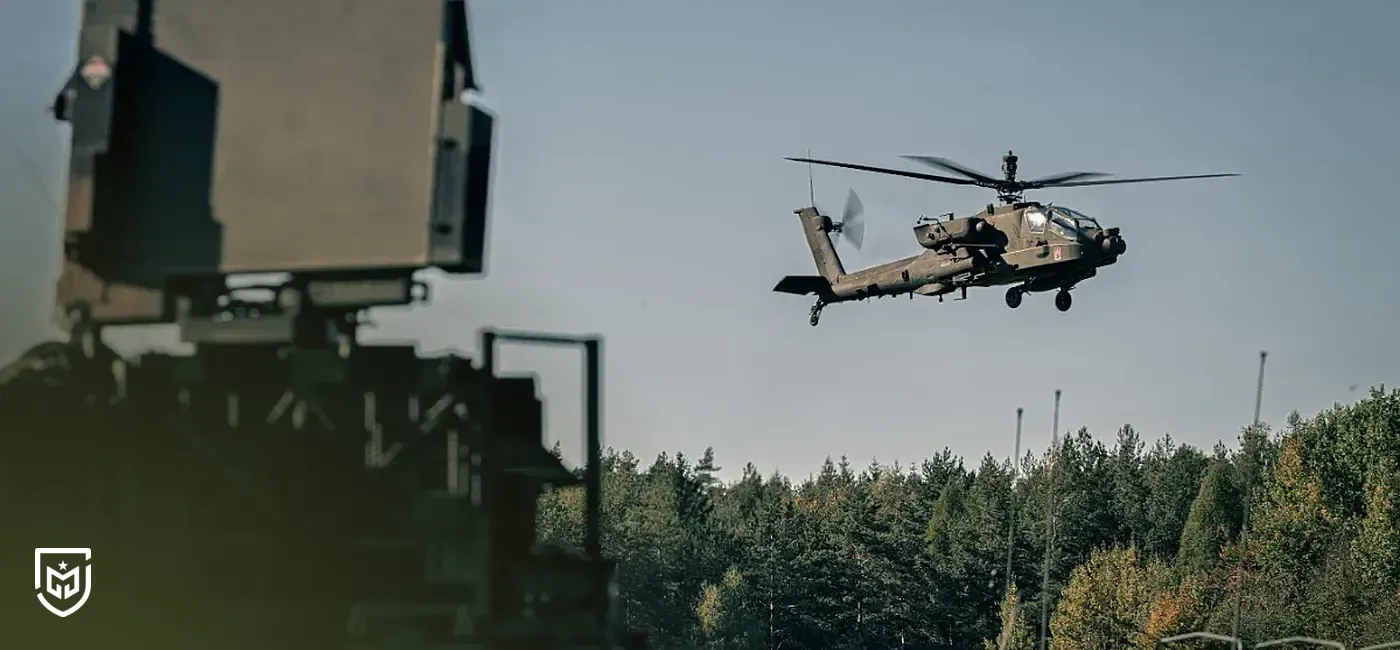
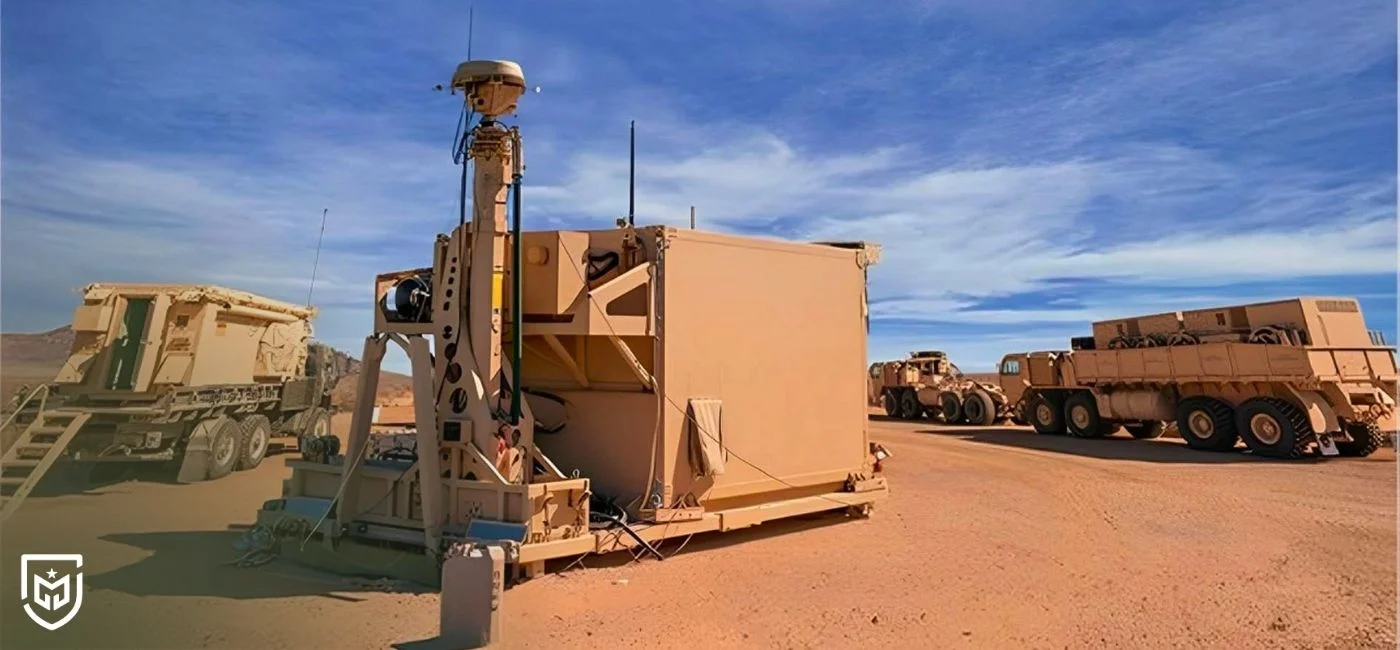
The United States Army has successfully conducted a critical operational test of the Integrated Battle Command System (IBCS), developed by Northrop Grumman, further validating its role as the backbone of future integrated air and missile defense. The test took place at the White Sands Missile Range in southern New Mexico as part of the Follow-on Operational Test & Evaluation (FOT&E) process, designed to assess system performance under realistic battlefield conditions. During the trial, IBCS detected, tracked, and enabled the interception of two surrogate cruise missile targets.
Throughout the exercise, US Army Air Defense units relied on IBCS to fuse data from multiple sensors, creating a single, integrated air picture. Using this unified view, the system assigned the most suitable interceptors to engage the incoming threats. This demonstrated IBCS’s ability to manage complex engagements and coordinate multiple weapon systems simultaneously, providing layered and adaptive air defense coverage.
A key highlight of the test was the evaluation of joint-force interoperability. IBCS was operated in coordination with US Navy units, validating its capability to support cross-service operations and reinforcing its suitability for joint and multi-domain warfare. According to Jeremy Knupp, Vice President of Global Command and Control Solutions at Northrop Grumman, the system proved its flexibility by integrating technologies from different services and domains to defeat complex threats.
IBCS is designed to connect sensors, weapons, and command-and-control systems that were not originally intended to work together. Its network-centric architecture enables real-time coordination, rapid threat assessment, and continuous situational awareness. Currently in full-rate production at Northrop Grumman’s facility in Madison, Alabama, IBCS is a cornerstone of the US Army’s air and missile defense modernization. Over the next decade, it is expected to replace legacy command-and-control systems supporting Patriot, THAAD, and FAAD, significantly enhancing the Army’s integrated defense capabilities.




 Rabia Kılıç

Post Comment
Comments
No comments yet.
Related News
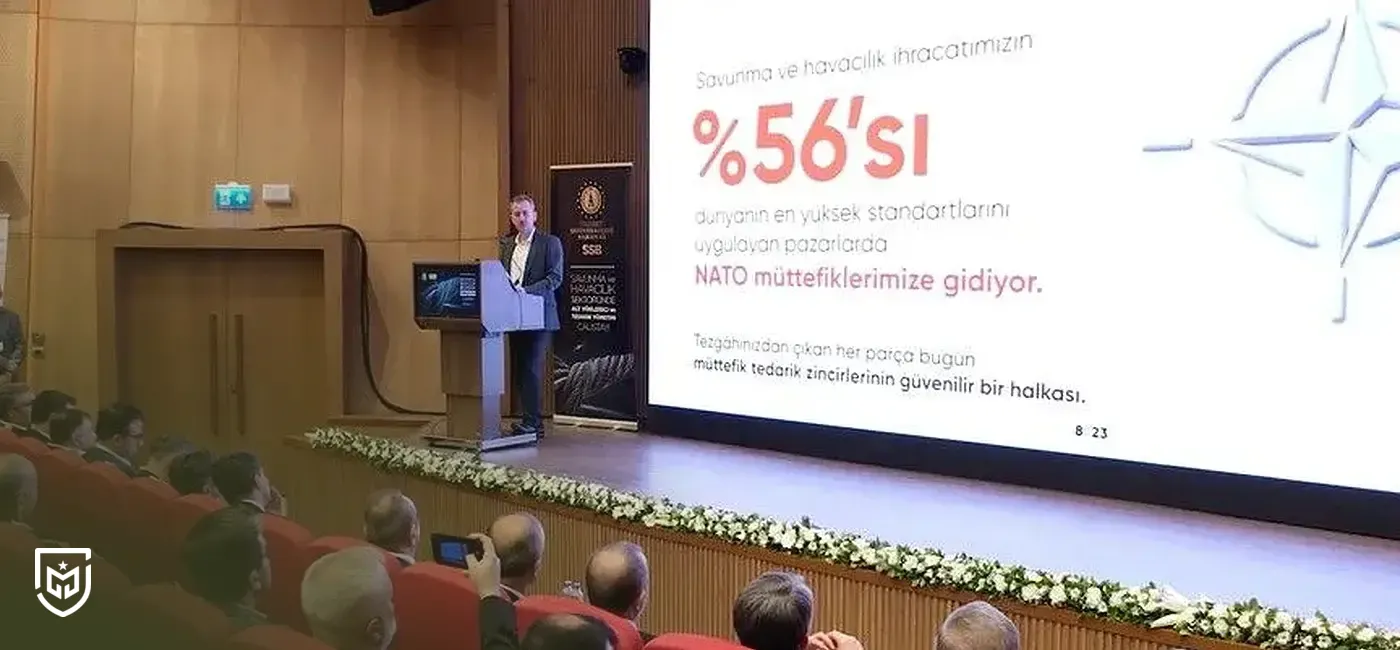
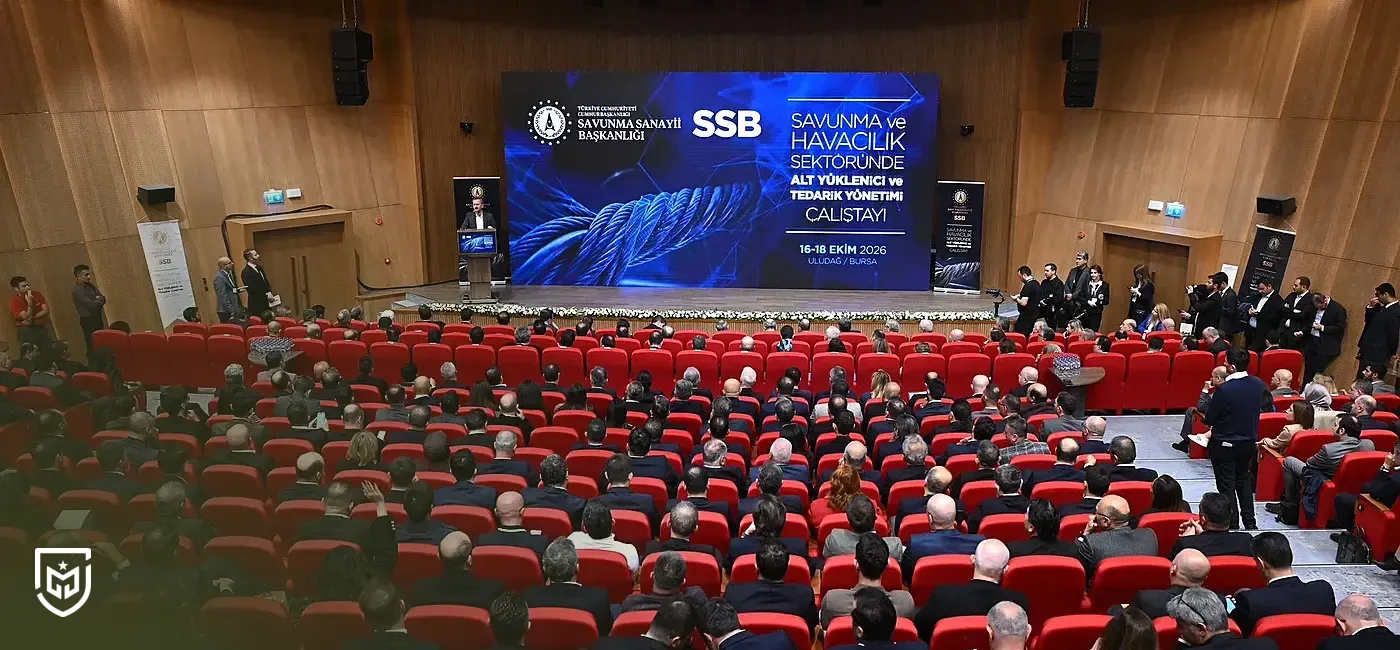
SSB Sector Meeting: Focus on Supply Chain and Production Capabilities
Turkish defense industry signed 15 billion dollars in new contracts in 2026
SSB Hosts Second Supply Chain Strengthening Summit
Skyfall II Exercise: U.S. Army Demonstrates UAV Defense Capabilities in Germany
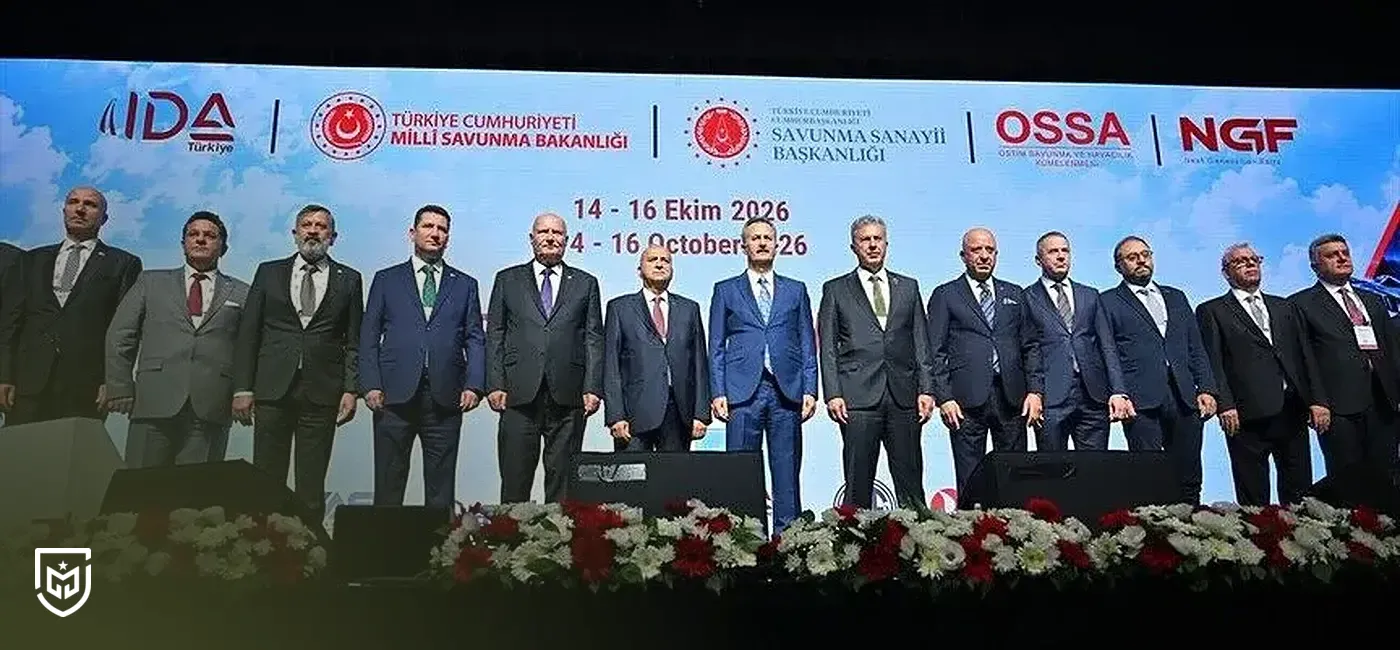
IDA Turkey 2026 Defense and Aviation Industrial Cooperation Days Launched
SSB Chief: Transparent Licensing Will Strengthen Defense Cooperation
STM's Swarm UAV System Demonstrates Operational Success at Ateş Serbest-2026
TUSAŞ Kamikaze UAV Systems Achieve Success in Exercise Ateş Serbest-2026