


Air Forces News
Global Developments


BREAKING NEWS
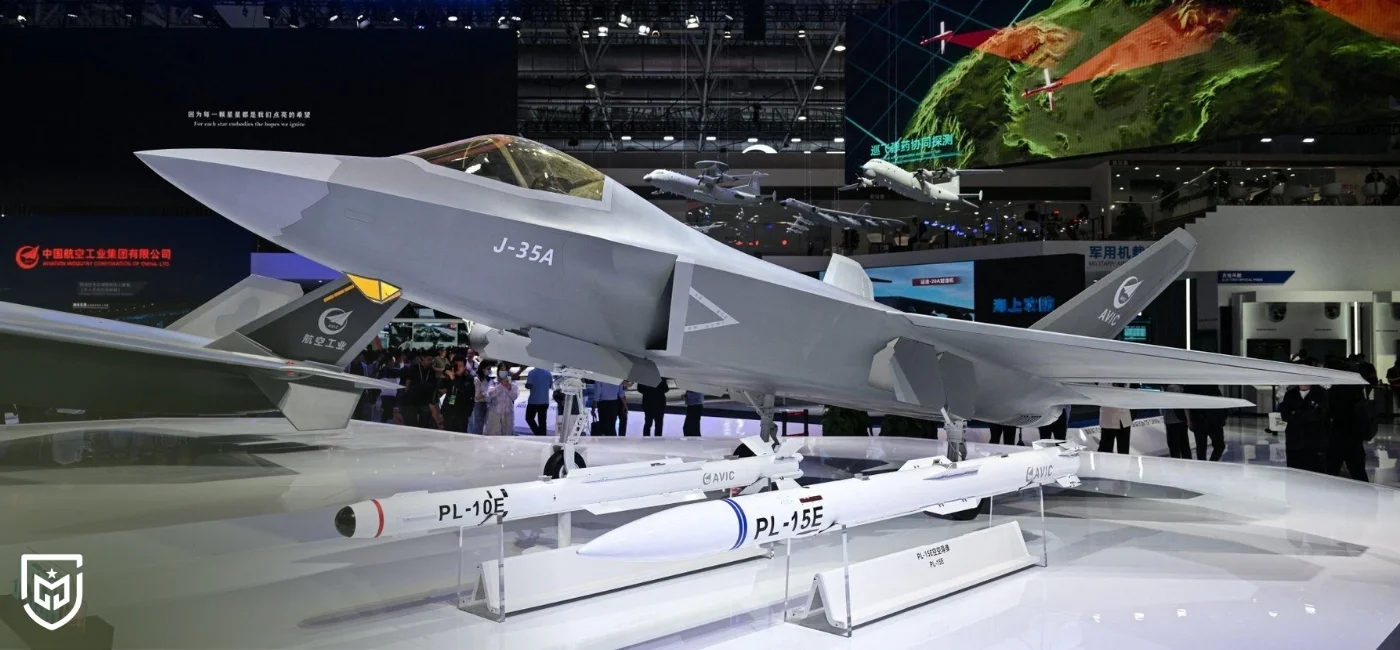
Held in Riyadh, the World Defence Show 2026 brought together major global defense industry players, with fifth-generation and advanced multirole fighter programs taking center stage. The United States, China, South Korea, and Türkiye showcased their most advanced air combat platforms in a strategic market that carries both financial and geopolitical significance. Chinese media notably ran headlines stating that China was “overshadowed by Türkiye and South Korea” during the exhibition.
Türkiye drew significant attention with the model of its indigenous fifth-generation fighter jet, KAAN. Measuring 20.3 meters in length with a 13.4-meter wingspan and a top speed of Mach 1.8, KAAN completed its maiden flight in 2024. The aircraft was displayed alongside unmanned combat aerial vehicle models, reinforcing Türkiye’s growing position in advanced aerospace technologies. Reports also emphasized Türkiye’s transformation from high import dependency to becoming the world’s 11th largest arms exporter in recent years.
China showcased its newest fifth-generation platform, the J-35A, along with the export-oriented J-10CE. Chinese representatives also promoted the Wing Loong and Rainbow (CH) UAV series, particularly highlighting the Wing Loong-X with its 40-hour endurance capability. Analysts noted that while Chinese drones continue to find buyers in the Middle East due to cost-effectiveness and operational flexibility, exporting fighter jets remains more politically complex.
South Korea made a notable appearance with its 4.5-generation low-observable fighter, the KF-21 Boramae. The aircraft offers a 2,900-kilometer range, Mach 1.82 maximum speed, and a 7,620-kilogram payload capacity, with deliveries expected to begin this year. Meanwhile, US defense giant Lockheed Martin displayed a full-scale mock-up of the F-35 Lightning II, signaling potential future sales to Riyadh.
Experts underline that fighter jet procurement decisions extend beyond technical performance and cost. Such acquisitions represent long-term strategic alignments. Traditional US allies are expected to maintain procurement ties with Washington despite lower-cost alternatives, while China may find opportunities among nations not firmly aligned with either the US or Russia. In this context, the Middle East is seen as a potentially more promising market for Beijing compared to Southeast Asia.


The cookies used on our website are used to provide you with a better user experience and to improve our website. You can manage your cookie preferences from the options below.
 Süheyla Yıldız
Post Comment
Comments
No comments yet.
Related News
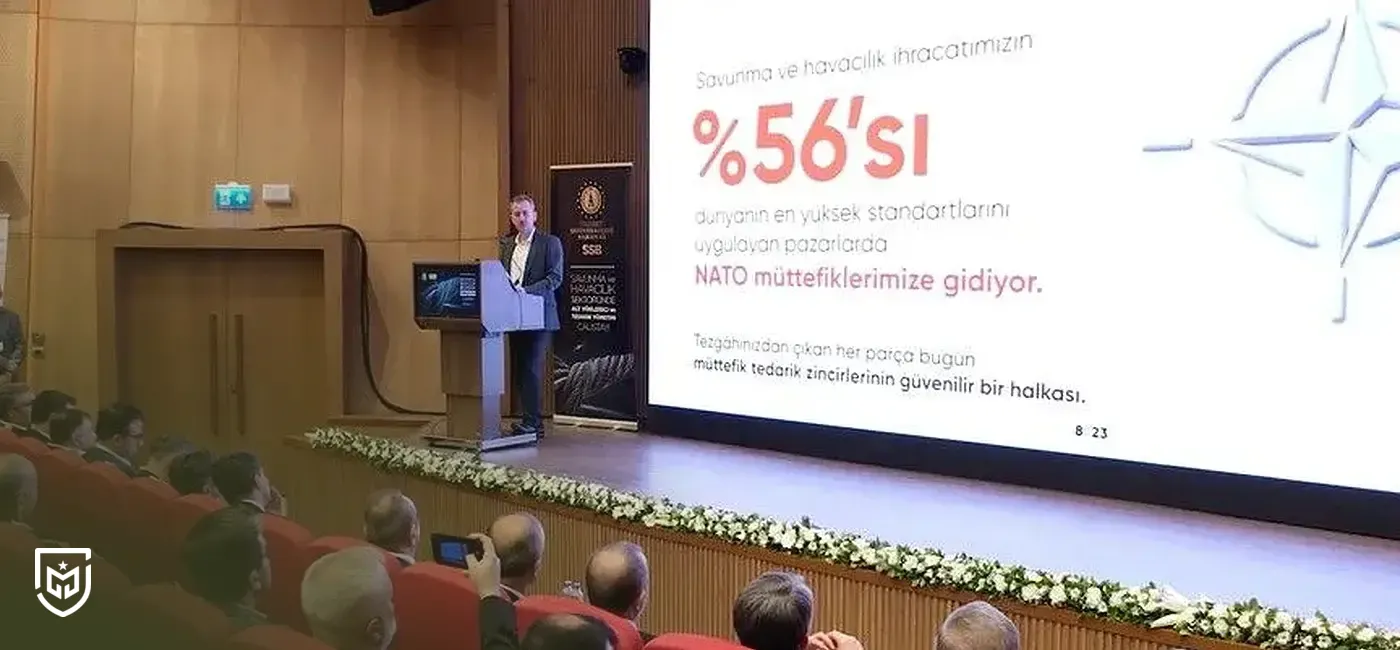
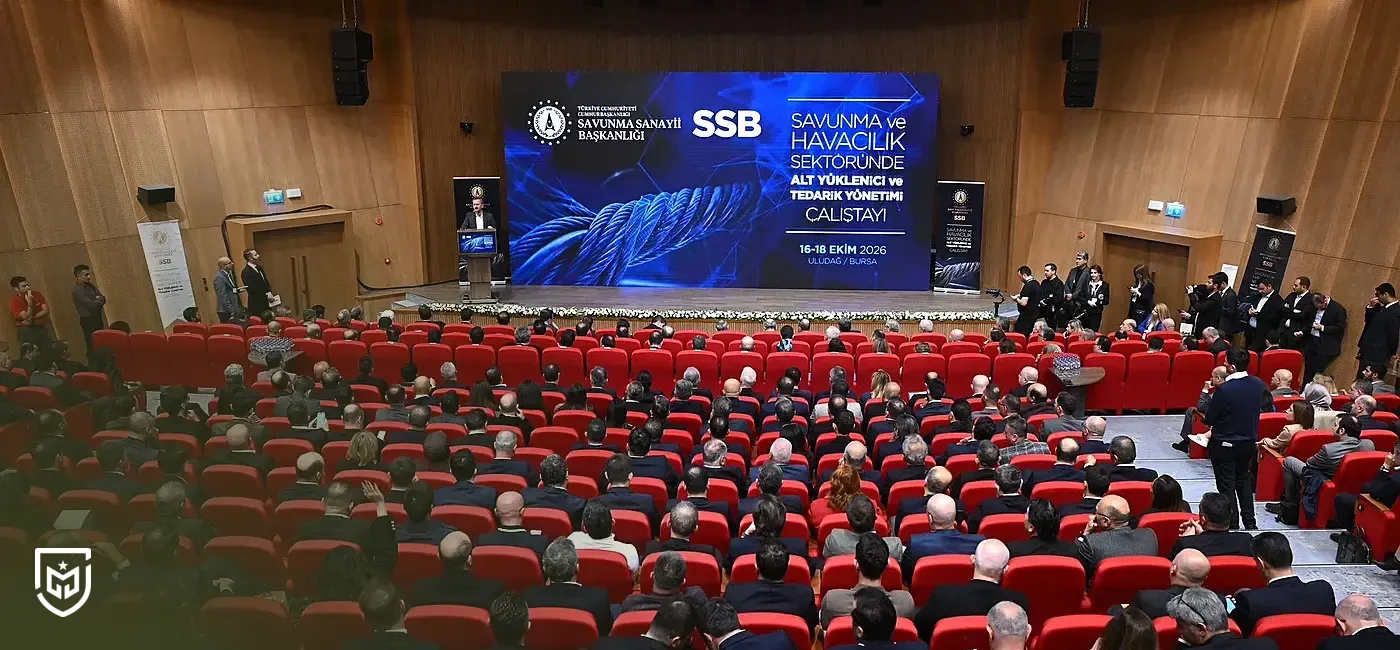
SSB Sector Meeting: Focus on Supply Chain and Production Capabilities
Turkish defense industry signed 15 billion dollars in new contracts in 2026
SSB Hosts Second Supply Chain Strengthening Summit
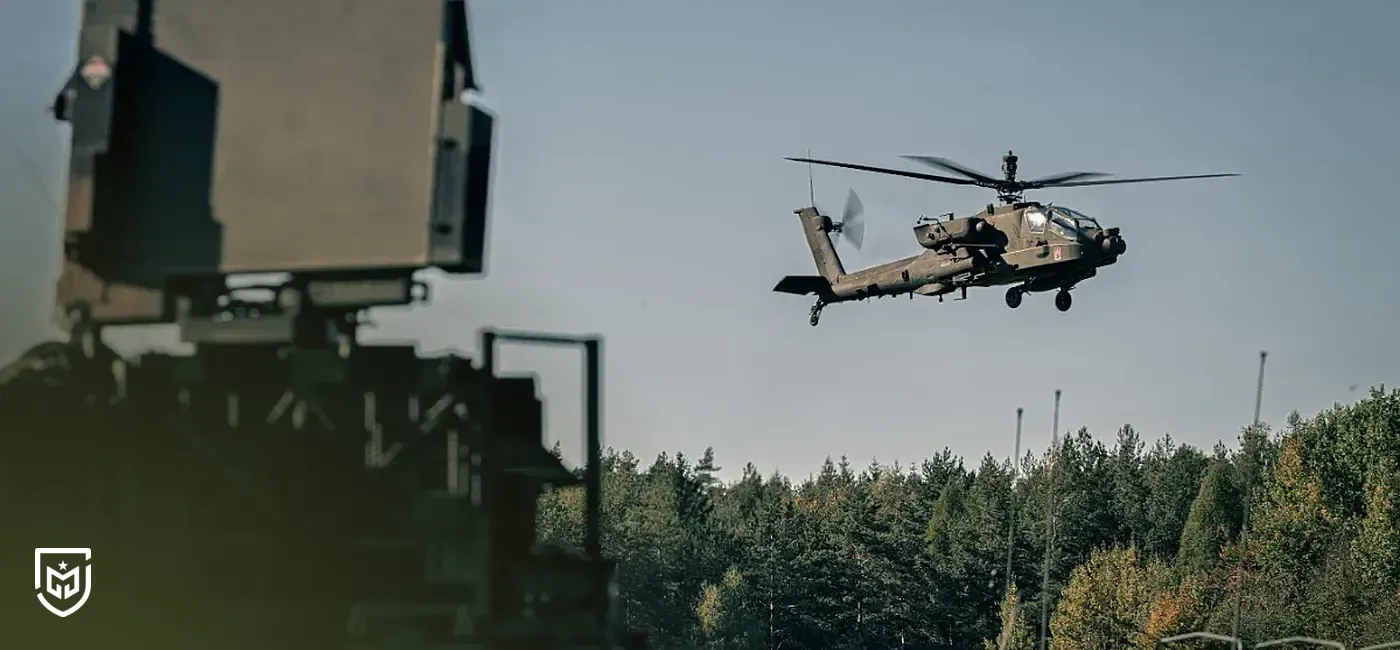
Skyfall II Exercise: U.S. Army Demonstrates UAV Defense Capabilities in Germany
SSB Chief: Transparent Licensing Will Strengthen Defense Cooperation
STM's Swarm UAV System Demonstrates Operational Success at Ateş Serbest-2026
TUSAŞ Kamikaze UAV Systems Achieve Success in Exercise Ateş Serbest-2026
Fire Free-2026 Exercise Successfully Completed