




Air Forces News
Electronic Systems


BREAKING NEWS
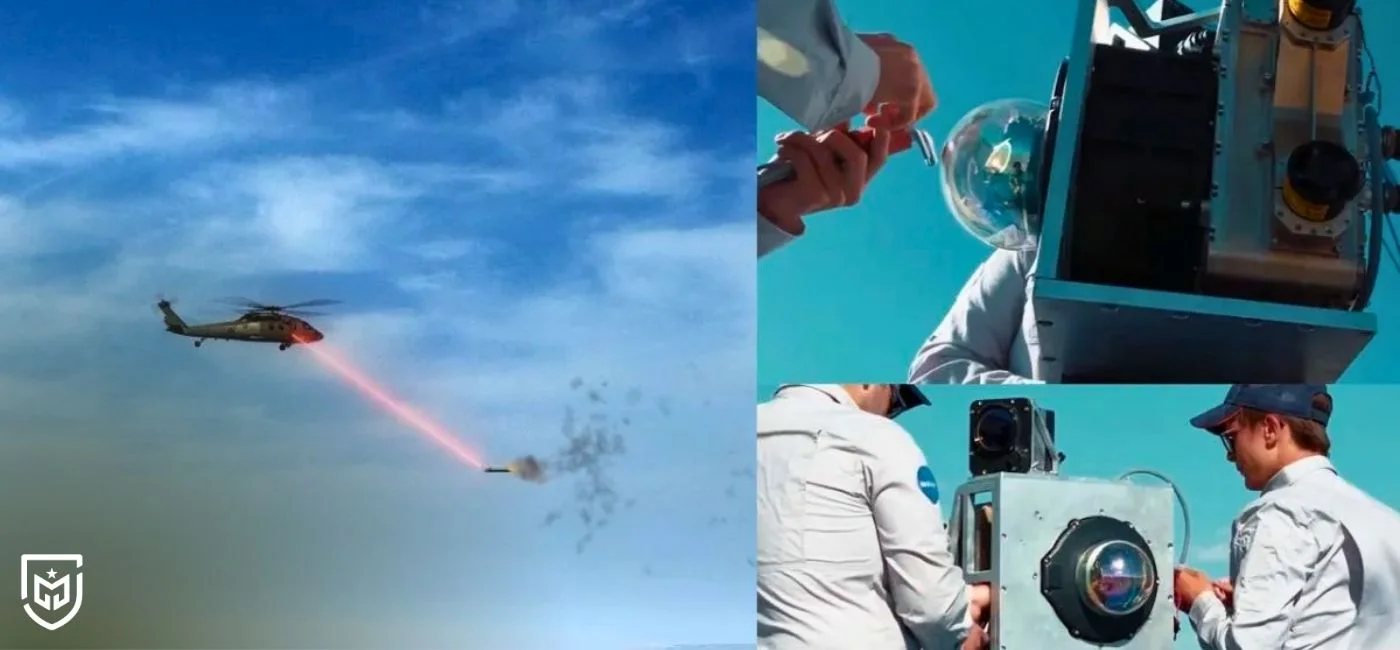
Türkiye has crossed a major survivability milestone with ASELSAN’s YILDIRIM 100, a Directed Infrared Countermeasure (DIRCM) system purpose-built to defeat modern heat-seeking missiles. In trials shared publicly, the system detected an incoming threat via onboard self-protection sensors, tracked it with a precision gimbal, and projected synchronized, multi-band laser energy directly into the missile’s seeker. The effect—seeker “blinding” and loss of lock—forced the weapon off course, breaking the engagement without relying solely on evasive maneuvers or expendables.
As defense analyst Kubilay Yıldırım notes, DIRCM is a different league of engineering compared with conventional warning/flare packages. The challenge is not only detecting and tracking a fast-closing missile but also steering a precisely tuned laser—at the right wavelength and timing—onto a tiny, rapidly maneuvering aperture, all aboard a vibration-heavy platform that must operate from −25°C to +55°C. That Türkiye has miniaturized, stabilized, and ruggedized such a high-end system for rotary- and fixed-wing aircraft underscores the maturity of its self-protection ecosystem built up since the late 1990s.
Initial fielding is expected on military helicopters, where the threat from shoulder-fired, short-range IR missiles is acute—during takeoff/landing, low-level ingress, and urban or mountainous operations. YILDIRIM 100 integrates with existing missile warning systems and flare dispensers, adds an active laser layer that operates automatically without pilot workload spikes, and maintains low power draw with high availability under multi-threat scenarios. Beyond rotorcraft, experts advocate integration on transport aircraft and fighters to raise survivability across the fleet.
Looking ahead, a more advanced variant is slated for the National Combat Aircraft, KAAN—particularly relevant for high-threat theaters like the Aegean, where outrunning state-of-the-art IR missiles is unrealistic without DIRCM. In concert with domestic radar/IR warning, electronic warfare suites, and expendables, YILDIRIM 100 anchors a fully indigenous, integrated self-protection architecture—one that strengthens crew safety, preserves mission effectiveness, and expands tactical options against evolving air-defense networks.


The cookies used on our website are used to provide you with a better user experience and to improve our website. You can manage your cookie preferences from the options below.
 Rabia Kılıç
Post Comment
Comments
No comments yet.
Related News
Turkish Turbojet Engine Reaches 1,000 Unit Production Milestone
Kale Jet Engines Delivers 1000th Motor Unit
ASELSAN showcases naval defense systems at EURONAVAL
Greece Strengthens F-16 Electronic Warfare Capabilities
Kazakhstan receives second A400M military transport aircraft
U.S. Army deploys Bumblebee V2 kinetic counter-drone system to southern border
Bayraktar TB2 tested as FPV drone carrier platform
HÜRKUŞ Training Aircraft Reaches Four Units in Air Force Inventory