BREAKING NEWS
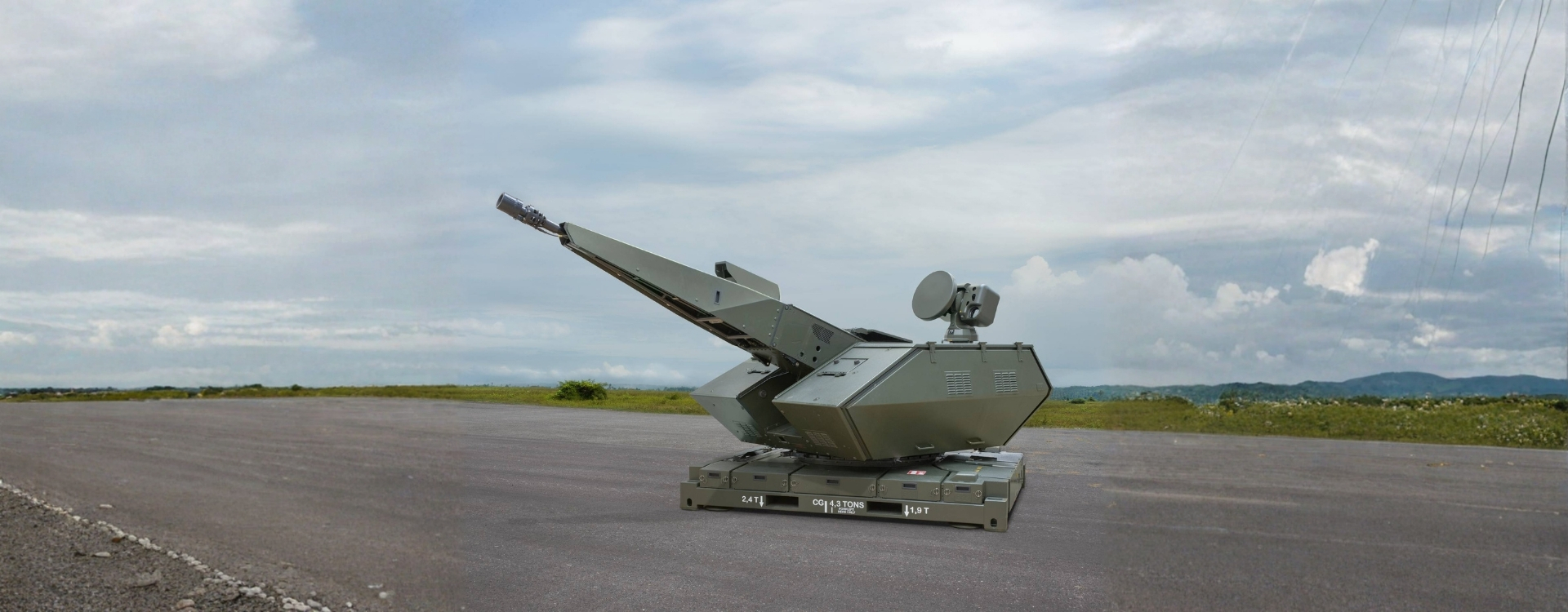
Boost phase defense is defined as a missile defense concept that aims to neutralize ballistic missiles immediately after launch, while their engines are still active. This phase represents the missile’s most vulnerable moment, as its speed has not yet reached maximum levels, maneuver capability is limited, and it emits a strong heat signature. Intercepting a missile during the boost phase prevents it from reaching its target entirely, eliminating destructive effects before they materialize. In modern military doctrine, boost phase defense is considered a cornerstone of preventive and deterrent defense strategies.
From a technical perspective, boost phase defense relies on satellite-based early warning systems, high-altitude unmanned aerial vehicles, directed-energy weapons such as lasers, and ultra-fast interceptor missiles. Its greatest advantage lies in the fact that the missile’s warhead and decoys have not yet separated, making interception more effective. However, the need for geographical proximity, extremely short reaction times, and advanced technology makes boost phase defense difficult to implement. Despite these challenges, advances in radar systems and directed-energy technologies position boost phase defense as a key component of future integrated air and missile defense architectures.


The cookies used on our website are used to provide you with a better user experience and to improve our website. You can manage your cookie preferences from the options below.





 Süheyla Yıldız