BREAKING NEWS
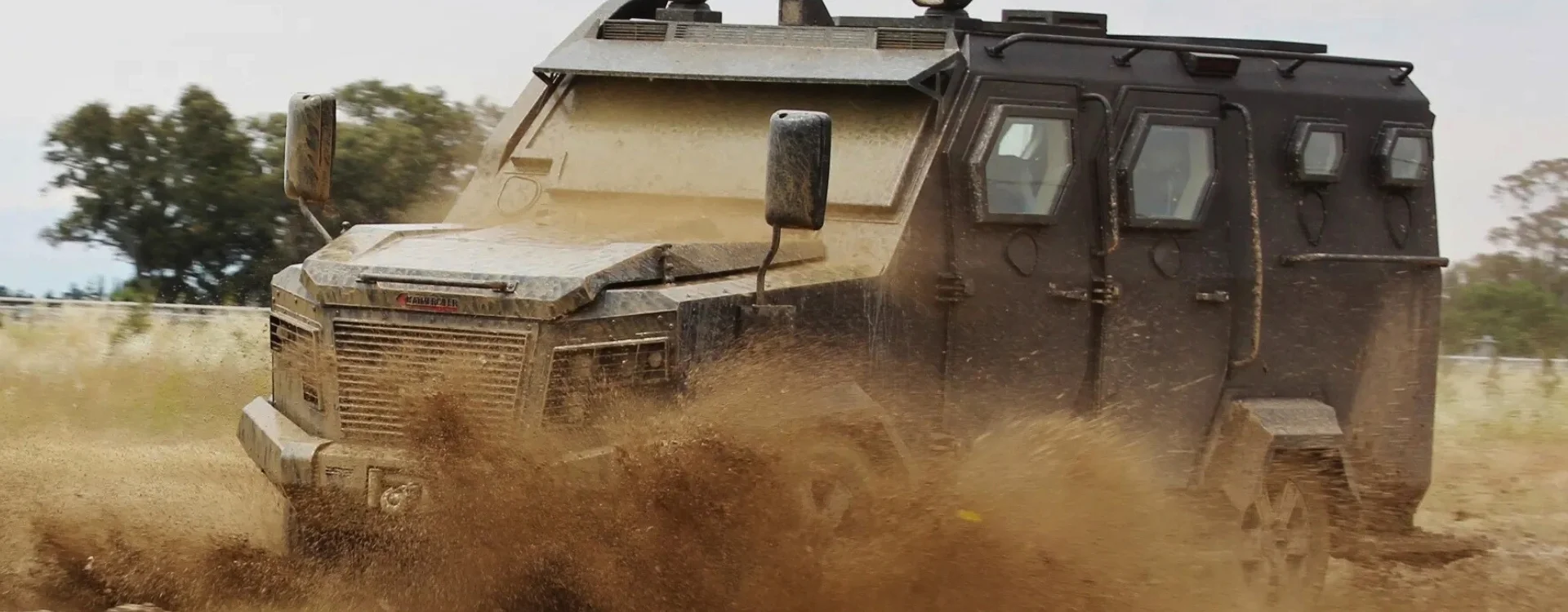
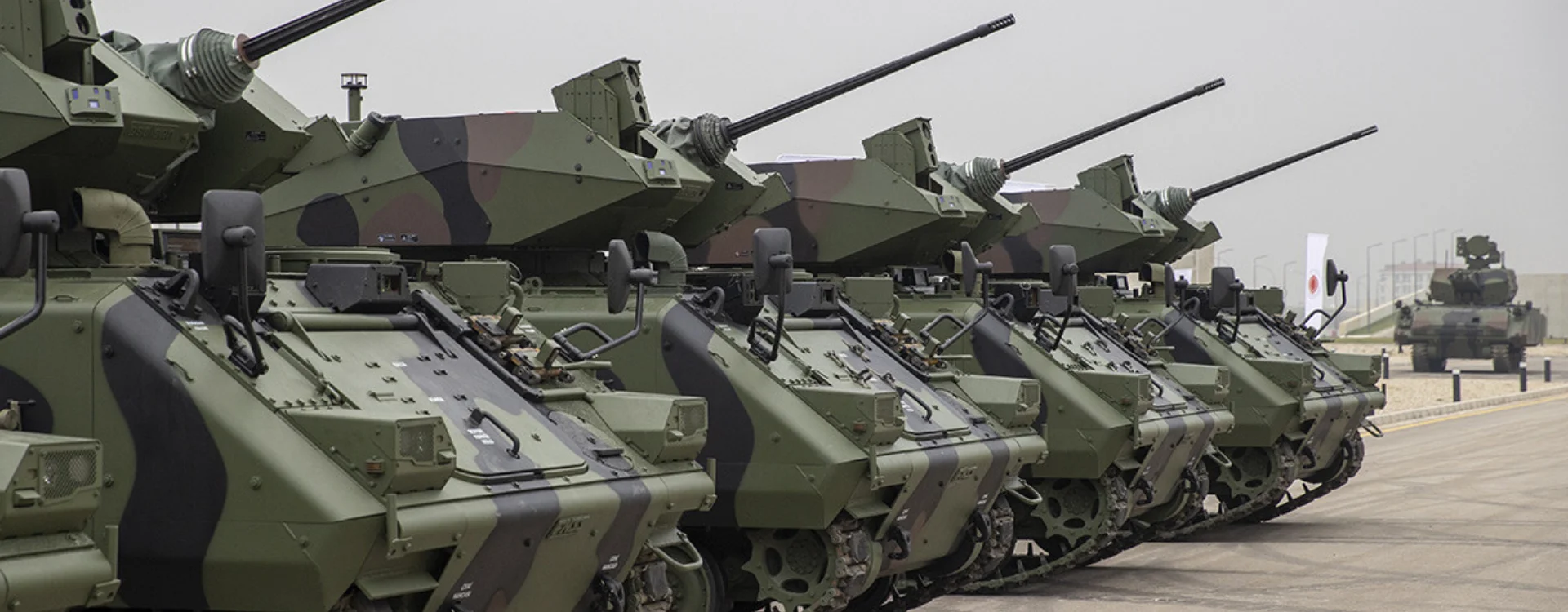
Mine protection in armored vehicles is one of the most critical defensive elements ensuring personnel safety on today’s battlefields. In regions where landmines and improvised explosive devices (IEDs) are widely used, the survivability of armored platforms depends directly on advanced mine protection technologies. Modern military operations require armored vehicle designs that not only withstand explosive threats but also minimize the impact on crew members. Mine-resistant vehicle engineering has become a strategic necessity, combining protection, mobility, and operational reliability in high-risk environments.
From a technical perspective, mine protection systems in armored vehicles rely on V-shaped hull (V-hull) structures, energy-absorbing seating systems, reinforced floor plates, and modular composite armor solutions. The V-hull design plays a decisive role by deflecting blast waves and explosive force away from the cabin, significantly reducing lethal impact on personnel. International protection benchmarks such as NATO’s STANAG 4569 define ballistic and mine resistance levels based on TNT equivalent explosive thresholds. Following operational experiences in Iraq and Afghanistan, MRAP (Mine Resistant Ambush Protected) vehicles were developed to offer enhanced underbody blast protection and structural integrity. Advanced suspension systems, blast-mitigating materials, sensor-supported early warning technologies, and reinforced chassis architecture collectively enhance survivability. Today, mine protection in armored vehicles is not only vital for military missions but also for peacekeeping and internal security operations. Investments in armored vehicle mine protection technologies remain a cornerstone of modern defense industry strategy.


The cookies used on our website are used to provide you with a better user experience and to improve our website. You can manage your cookie preferences from the options below.


 Süheyla Yıldız