BREAKING NEWS
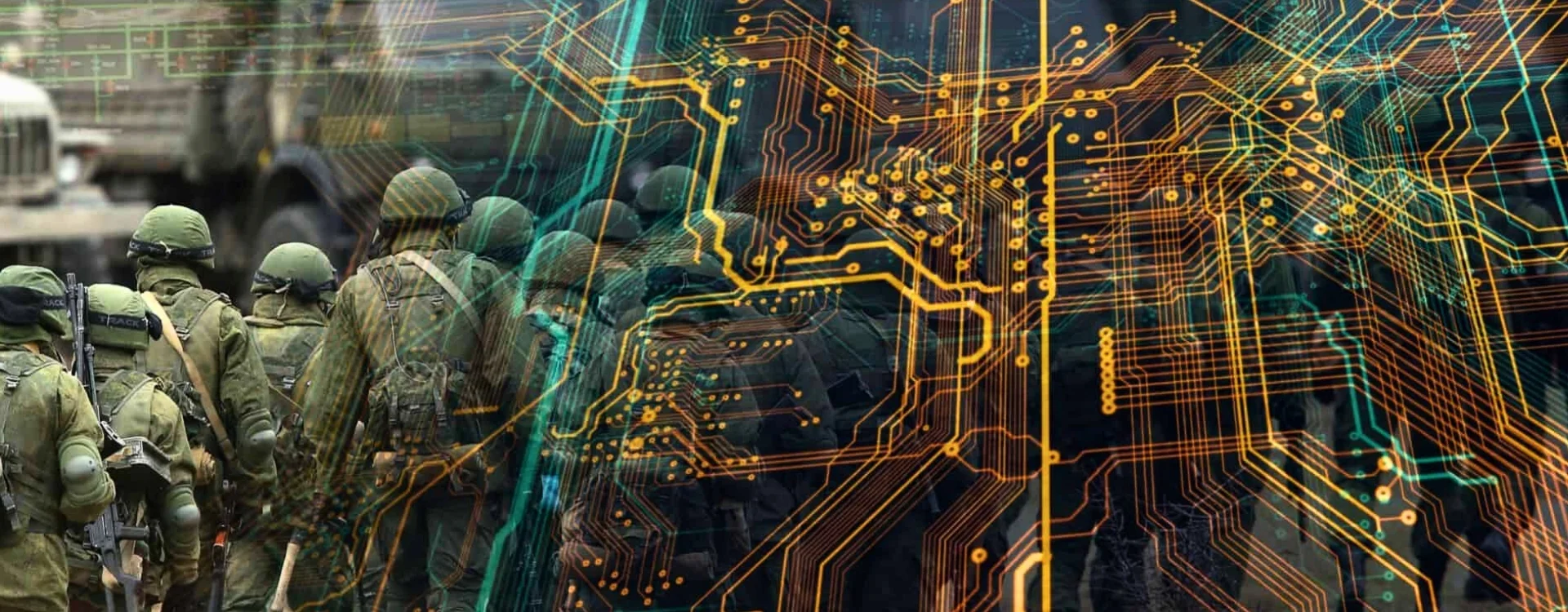
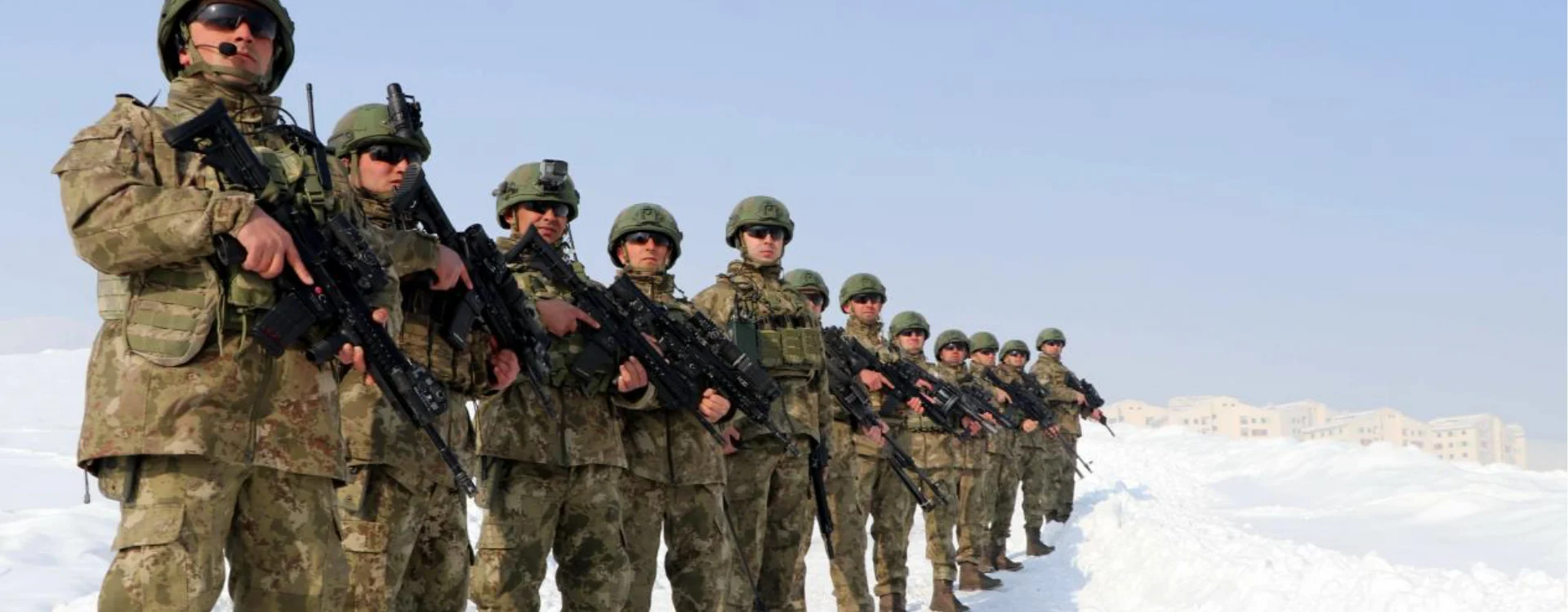
Hybrid warfare has emerged as a new-generation conflict model that goes far beyond traditional battlefield engagements, combining conventional military power with irregular tactics. In this structure, ground forces play a decisive role not only in direct combat but also in coordinated operations involving cyber attacks, psychological warfare, intelligence manipulation, and proxy elements. Modern armies no longer rely solely on tanks and infantry units; special operations forces, paramilitary groups, and locally supported militias have become critical actors within hybrid warfare doctrine. Especially in urban warfare, cross-border operations, and low-intensity conflicts, the flexibility and adaptability of ground elements determine operational success.
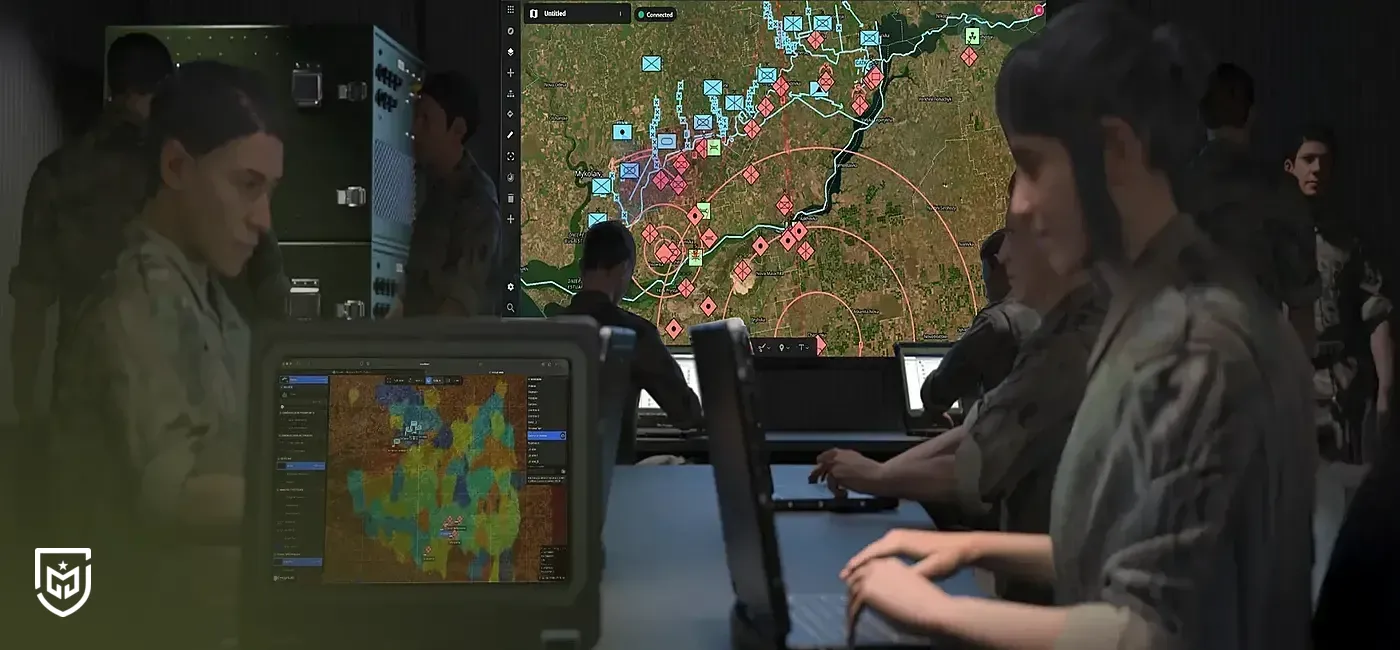
From a technical perspective, ground forces in hybrid warfare consist of regular army units, special operations teams, unmanned ground vehicles, and proxy-supported paramilitary structures. Unlike traditional centralized doctrines, this model is built on decentralized and flexible command-and-control systems. For instance, NATO has emphasized rapid deployment capabilities of land forces against hybrid threats in its post-2014 strategic framework. Similarly, the operational approach of the Russian Armed Forces during the Ukraine crisis demonstrated how “covert ground elements” can be utilized to achieve both military and political objectives simultaneously. In such cases, unmarked personnel, private military contractors, and local militias operate in coordination, creating strategic ambiguity while maintaining tactical effectiveness.
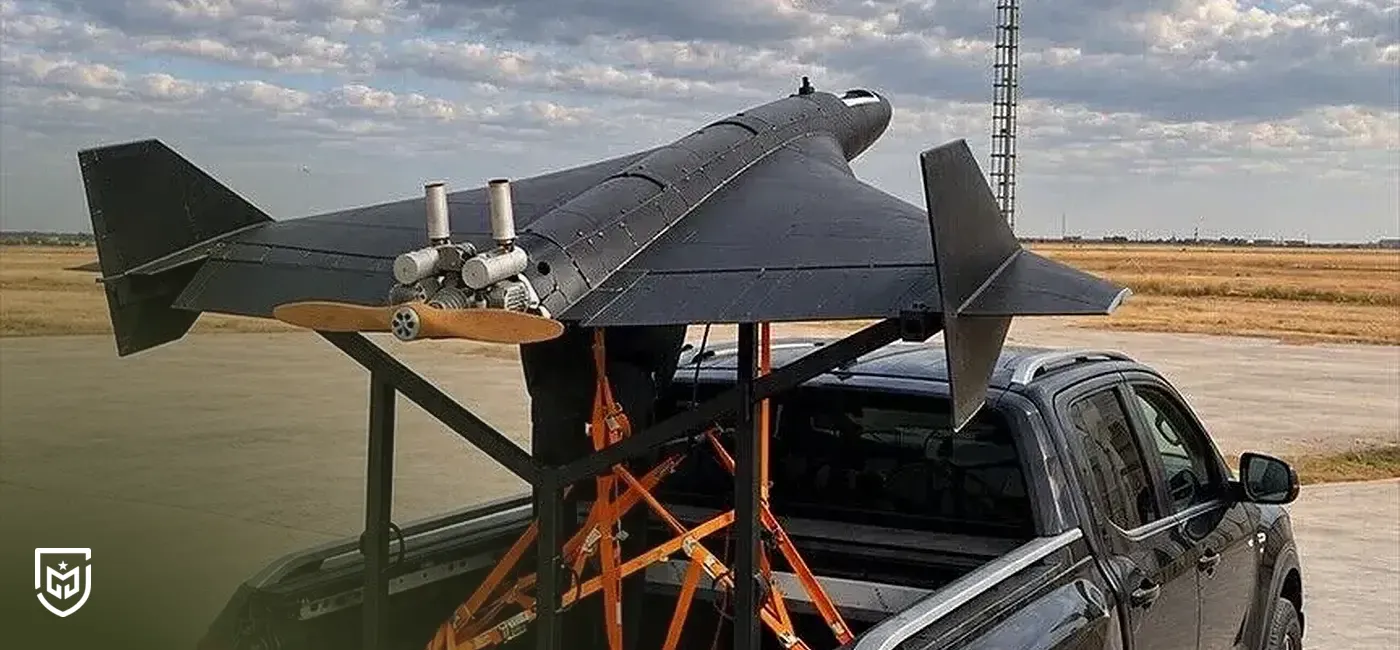
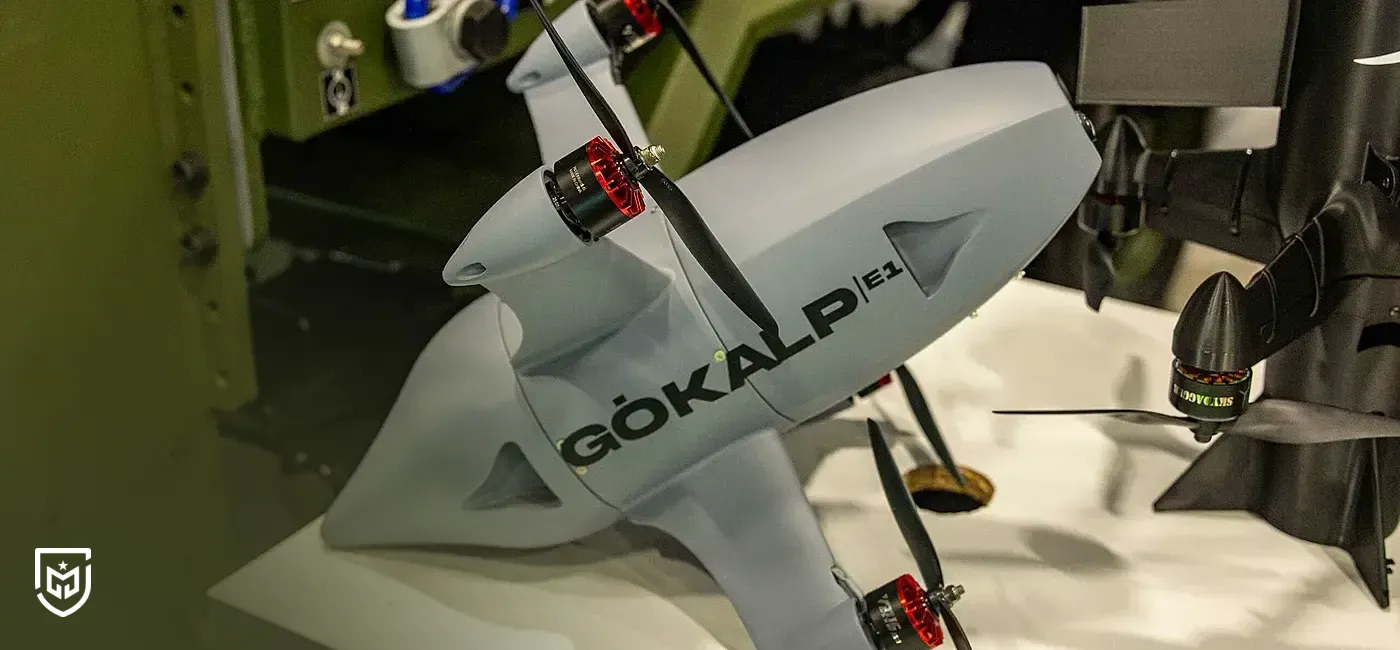
One of the most significant advantages of ground forces in hybrid warfare is plausible deniability combined with cost-effective power projection. Instead of large-scale armored formations, hybrid operations favor light mechanized units, mobile infantry teams, and autonomous systems. Ground elements are primarily tasked with reconnaissance, sabotage, territorial control, and securing critical infrastructure. Their ability to operate within civilian-populated urban centers further distinguishes hybrid warfare from conventional military engagements.
Today’s hybrid warfare strategies integrate asymmetric threats, special operations, cyber-supported land maneuvers, and psychological operations into a multi-layered operational environment. Ground forces serve as the physical anchor of this structure. Establishing presence on the ground, maintaining territorial dominance, and translating political objectives into tangible military outcomes remain their core responsibilities. For this reason, in modern conflict environments, ground elements represent both the visible and invisible backbone of hybrid warfare strategy.


The cookies used on our website are used to provide you with a better user experience and to improve our website. You can manage your cookie preferences from the options below.



 Süheyla Yıldız