BREAKING NEWS
What Is an Unmanned Ground Vehicle (UGV)? Types, Uses, and What’s Next
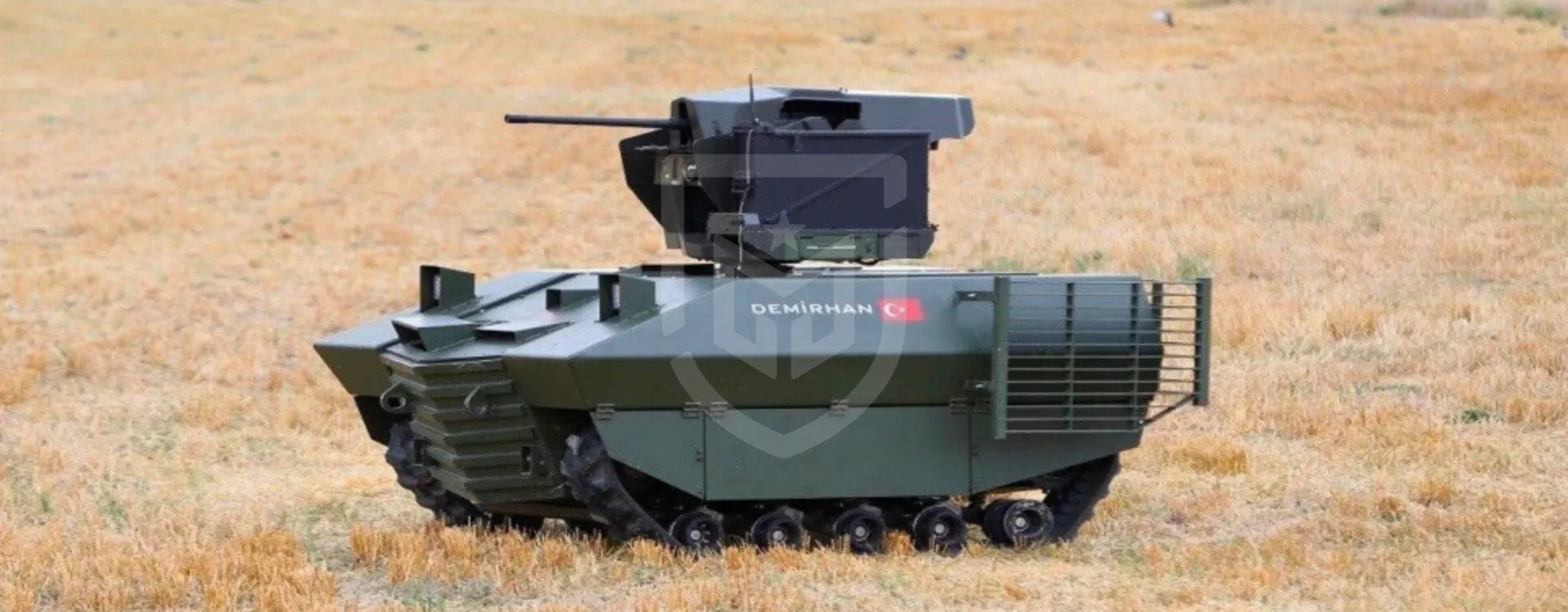
An Unmanned Ground Vehicle (UGV) is a robotic land platform that operates without a human onboard, either via remote control or autonomously. Its mission is to remove people from hazardous, repetitive, or hard-to-reach tasks while boosting safety, precision, and efficiency. Equipped with sensors (LiDAR, RGB/thermal cameras), comms modules, electric/hybrid power, and AI software, UGVs perceive their environment, plan routes, and execute missions.
Classes & Capabilities: UGVs are commonly categorized by weight and mission profile.
Micro/Mini UGVs: Close-quarters reconnaissance and EOD (explosive ordnance disposal).
Medium class: Logistics carriage, patrol, advanced ISR, sensor payloads.
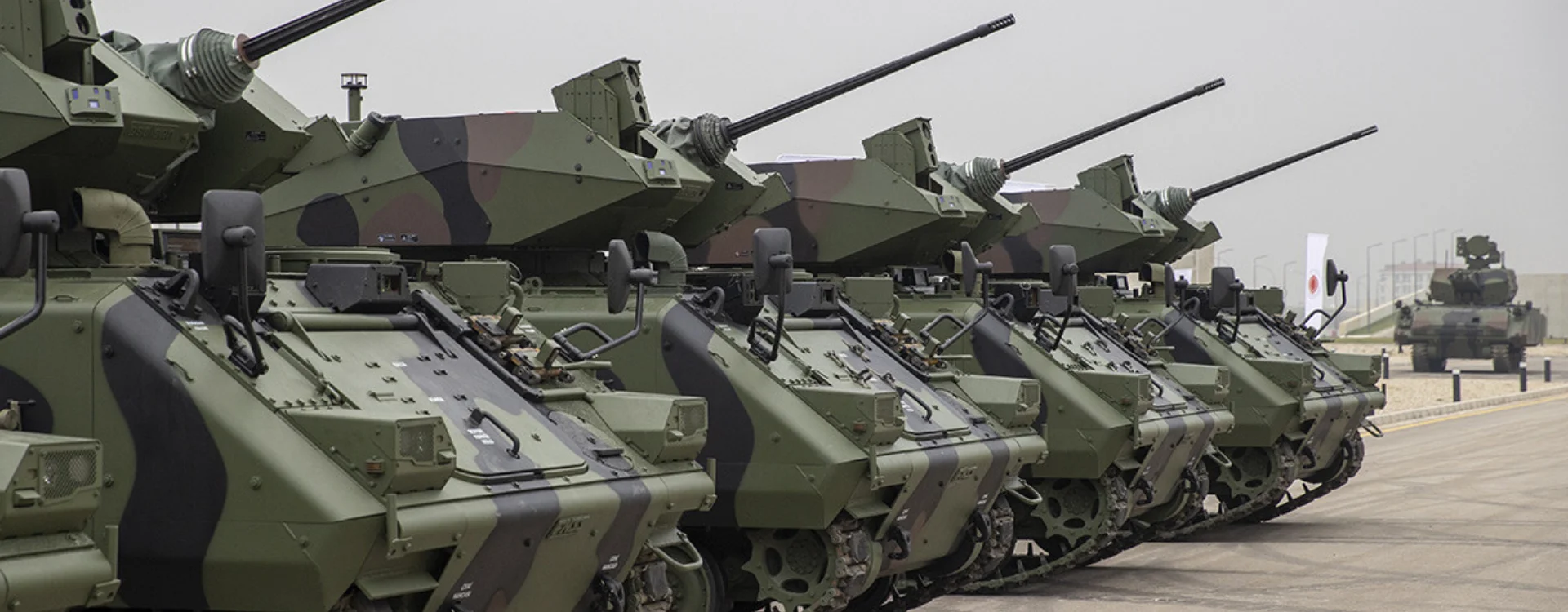
Heavy class: Armored support, CASEVAC, weaponized platforms on wheels or tracks.
Control & Autonomy: Entry level is teleoperation (operator joystick). Next comes partial autonomy (lane/track following, obstacle avoidance). At the top is full autonomy with SLAM mapping, route optimization, and multi-robot tasking. AI-assisted target detection and swarming can cut operational costs and sharpen response times.
Where UGVs Work:
Military: Recon/ISR, IED/EOD, border security, fire support, ammo/supplies transport.
Civil: Autonomous haulage in mining, precision agriculture (spraying, sensing), disaster search & rescue, facility security patrols, and warehouse logistics.
Advantages:
Keeps humans out of harm’s way.
24/7 sensing and repeatable precision.
Cost efficiency via energy optimization and predictive maintenance.
Challenges:
Cybersecurity & comms resilience (GPS jamming, interference).
Legal/ethical frameworks: ensuring meaningful human control over lethal functions.
Standards & interoperability across vendors and payloads.
Türkiye's Growing Ecosystem: Platforms like ASELSAN UKAP, HAVELSAN BARKAN, and FNSS Shadow Rider headline the market, while university–industry collaborations and startups advance sensor fusion, SLAM, and mission software—accelerating dual-use spillover from defense to civil sectors.
Buying & Integration Checklist:
Mission definition (EOD, recon, or logistics?).
Terrain fit (tracks vs. wheels, step-climb ability).
Autonomy level & sensor stack (LiDAR, GNSS-RTK, IMU).
Range/energy (swap batteries, fast charge, hybrid gensets).
Safety & ethics (human-in-the-loop, ROE, data security).
Historical note: “Post-2000 autonomy competitions and battlefield needs gave ground robotics a major push; today, AI, edge compute, and 5G/6G are accelerating the curve.”
Bottom line: UGVs are next-gen land systems that elevate safety, reduce costs, and intelligently automate operations across defense and industry.


The cookies used on our website are used to provide you with a better user experience and to improve our website. You can manage your cookie preferences from the options below.





 Levent Kılıçalan