BREAKING NEWS
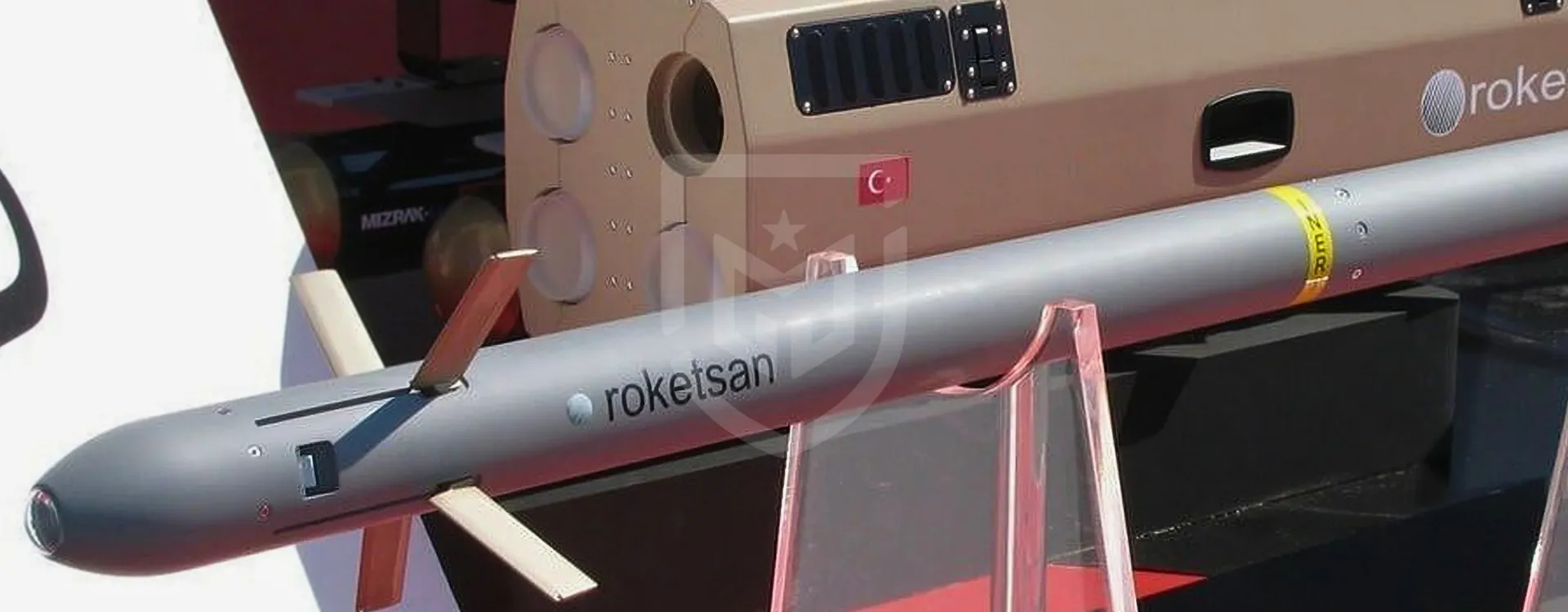
A laser-guided missile is an intelligent munition that steers onto a target by tracking the reflected light from a laser designator. Here’s the simple idea: an aircraft, UAV, or ground team “paints” the target with a laser; energy reflected off the target is picked up by a nose-mounted laser seeker, and the missile uses semi-active laser homing (SAL) to make constant course corrections. The result is tighter CEP (circular error probable) and less collateral damage compared with unguided weapons.
The guidance loop relies on two roles: the designator and the shooter. The same platform can do both jobs, or an off-board spotter/UAV can lase while another platform fires. This flexibility yields high accuracy on stationary targets and, with proper tactics, solid performance on movers. While SAL is the most common method, some systems use laser beam-riding.
Advantages
• High precision: Homing on laser reflections delivers much lower CEP than “dumb” munitions.
• Cost-effective upgrades: Many forces add laser guidance kits to existing rockets/missiles.
• Tactical flexibility: Lock-on before/after launch modes support diverse engagement profiles.
Limitations
• Line of sight required: The designator and target must maintain clear geometry; fog, smoke, rain, and dust degrade performance.
• Countermeasures: Smoke screens and laser warning/decoy systems can hinder guidance.
• Continuous designation: If the laser mark is lost, the seeker can break lock.
Use cases
Primarily in air-to-ground missions against armored vehicles, bridges, and fortified points where precise effects matter. Beyond aircraft, ground and naval platforms can also designate. Modern add-on kits for 70 mm rockets give helicopters and light aircraft budget precision-strike options.
Historical note & quote
Laser-guided weapons spread from the 1970s onward and became known to the public as “smart bombs.” As one RAND case study put it: “Laser-guided bombs began to be called ‘smart bombs’.” This captured the doctrinal shift toward precision.
Compared with other guidance methods
Laser guidance follows energy reflected from the actual target, while GPS/INS flies to coordinates largely weather-independent but with less terminal discrimination; radar seekers excel at longer ranges and in poor visibility. Many operations mix methods to suit weather, defenses, and target type.
Bottom line: Laser-guided missiles deliver precise, timely strikes with minimal collateral damage—extremely effective when line-of-sight and atmospherics cooperate.


The cookies used on our website are used to provide you with a better user experience and to improve our website. You can manage your cookie preferences from the options below.




 Levent Kılıçalan