BREAKING NEWS
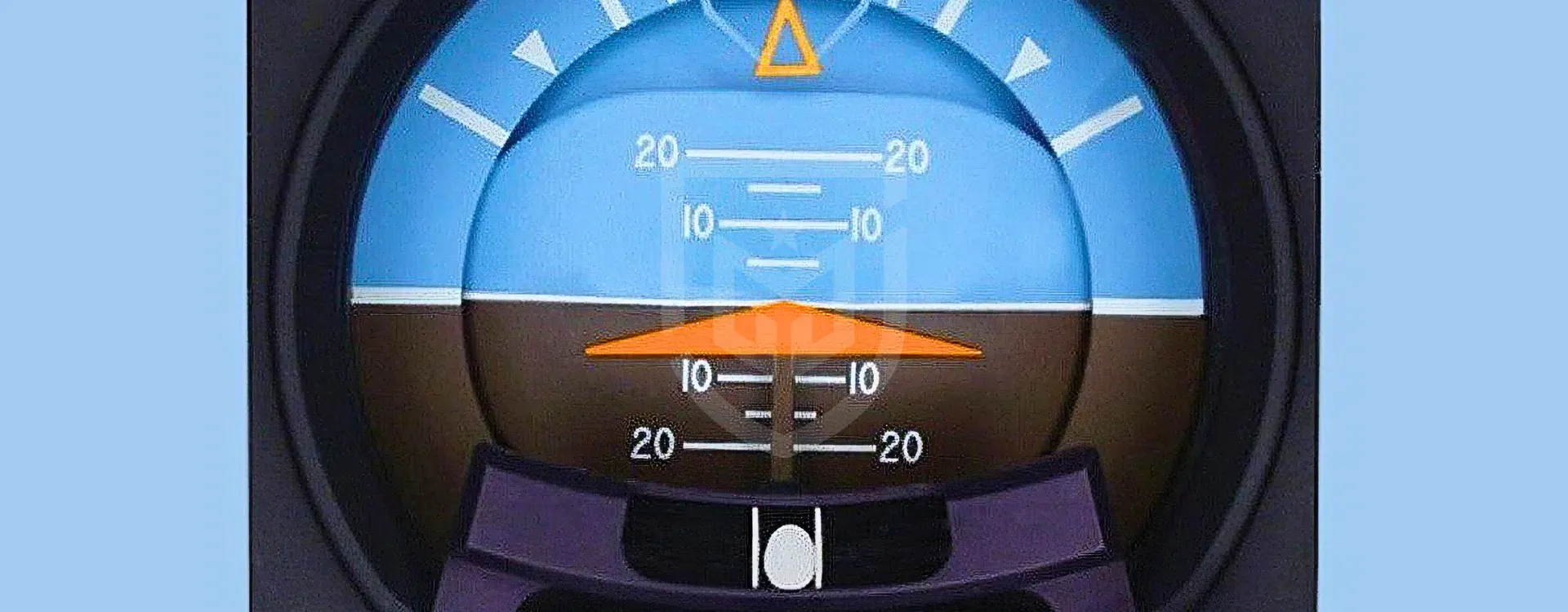
A gyroscope is a sensor or mechanism that measures a body’s angular rate (rotation speed) and orientation by exploiting angular momentum. In plain terms: something inside spins or resonates so the system can “know which way it’s pointing” even under external disturbances. The core physics are the gyroscopic effect and precession—the tendency of a spinning system’s axis to respond to an external torque by tilting around a different axis. Etymology note: from Greek “gyros” (circle/turn) + “skopein” (to look) — literally, “to look at rotation.”
How Does It Work?
In a classic mechanical gyroscope, a high-speed rotor (flywheel) stores angular momentum that makes its spin axis resist changes in direction. When a torque is applied, the axis undergoes precession, which can be measured and digitized. In modern devices, MEMS gyroscopes (micro-electro-mechanical systems) dominate: vibrating microstructures experience the Coriolis force, converting rotation into an electrical signal.
Types of Gyroscopes
Mechanical (Flywheel): Great for demonstration/reference; robust but requires upkeep.
MEMS Gyroscope: Found in smartphones, drones, VR/AR headsets, and wearables; small, low-cost, low-power.
Fiber-Optic Gyro (FOG) & Ring Laser Gyro (RLG): Use light’s phase difference; deliver exceptional precision for aircraft, ships, submarines, and spacecraft.
DTG/HRG (Tuning-Fork, Hemispherical Resonator): High-end inertial applications in INS/IMU systems.
What Is It Used For?
Phones & Tablets: Screen auto-rotate, gaming control, camera stabilization.
Drones & Robotics: Flight control, attitude hold, and autonomous navigation (IMUs combine gyroscope + accelerometer + sometimes magnetometer).
Automotive: ESC/ESP stability control, rollover detection.
Aviation/Maritime/Space: INS/AHRS track yaw, roll, pitch; maintain orientation even when GPS is unavailable.
Gimbals & Action Cams: Smoothing shake, keeping frames steady.
Gyroscope vs. Accelerometer
Gyroscope: Measures angular velocity → tells you how fast you’re rotating.
Accelerometer: Measures linear acceleration + gravity vector → estimates tilt.
For best results, devices use them together; sensor fusion (e.g., Kalman filtering) yields stable, low-noise orientation.
A Short History
In 1852, Léon Foucault named his instrument “gyroscope” to demonstrate Earth’s rotation—“I call it a gyroscope,” he wrote, underlining the link between rotation and reference frames. Since then, the gyroscope has evolved from spinning metal to microchips and light, becoming an invisible standard component of modern tech.


The cookies used on our website are used to provide you with a better user experience and to improve our website. You can manage your cookie preferences from the options below.





 Levent Kılıçalan