BREAKING NEWS
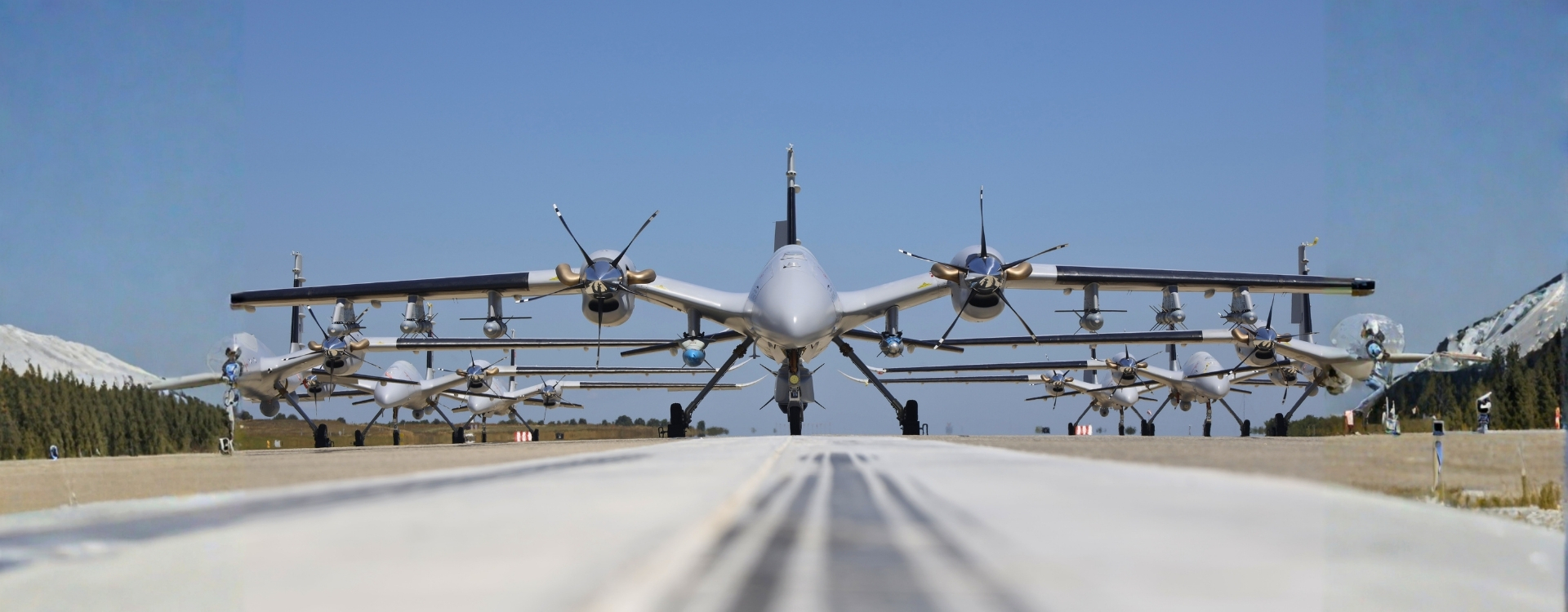
Unmanned Aerial Vehicles (UAVs) perform their missions by receiving commands and transmitting real-time data through a data link established with the ground control station. However, during operations, this connection may be interrupted due to electronic warfare, signal jamming, terrain obstacles, or technical malfunctions. Contrary to common belief, a data link loss does not cause a UAV to crash immediately. Modern UAV systems are equipped with pre-programmed fail-safe protocols designed specifically for such scenarios. Once the connection is lost, the onboard flight computer takes control, ensuring that the aircraft does not enter an uncontrolled state. In short-term interruptions, the UAV may maintain its current route and altitude while attempting to re-establish the connection.
If the data link cannot be restored within a defined time frame, autonomous flight modes are automatically activated. The most common response is the Return to Home (RTH) function, where the UAV autonomously flies back to its takeoff point or a pre-designated safe landing area. In military-grade and advanced tactical UAVs, this process is far more sophisticated. The system can independently decide to change altitude, alter its route, abort the mission, or transition to a safe holding pattern based on mission priorities. Using integrated sensors, GPS, inertial navigation systems, and backup communication channels, the UAV maintains flight stability and navigation even without an active data link. In high-risk environments, prolonged loss of communication may also trigger mission termination or self-protection measures to prevent unauthorized capture. Therefore, data link loss in modern UAVs is not a vulnerability, but a planned and manageable operational condition.


The cookies used on our website are used to provide you with a better user experience and to improve our website. You can manage your cookie preferences from the options below.



 Süheyla Yıldız