BREAKING NEWS
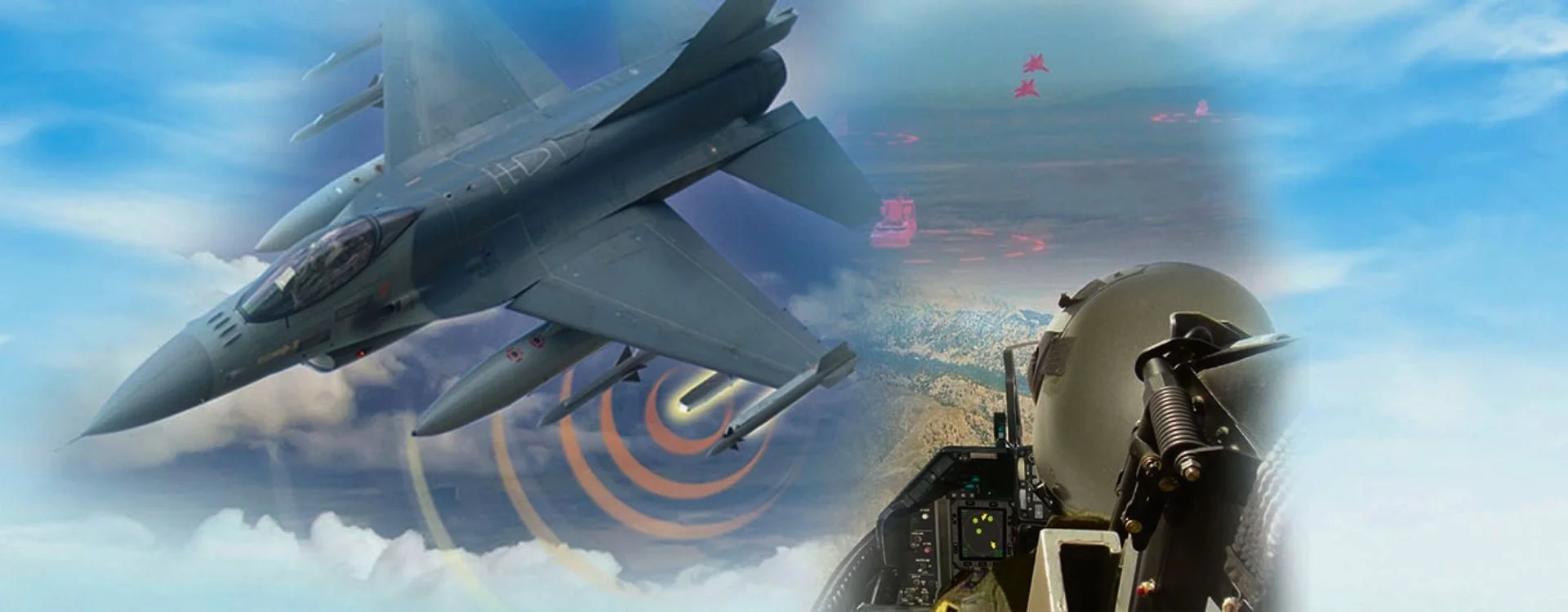
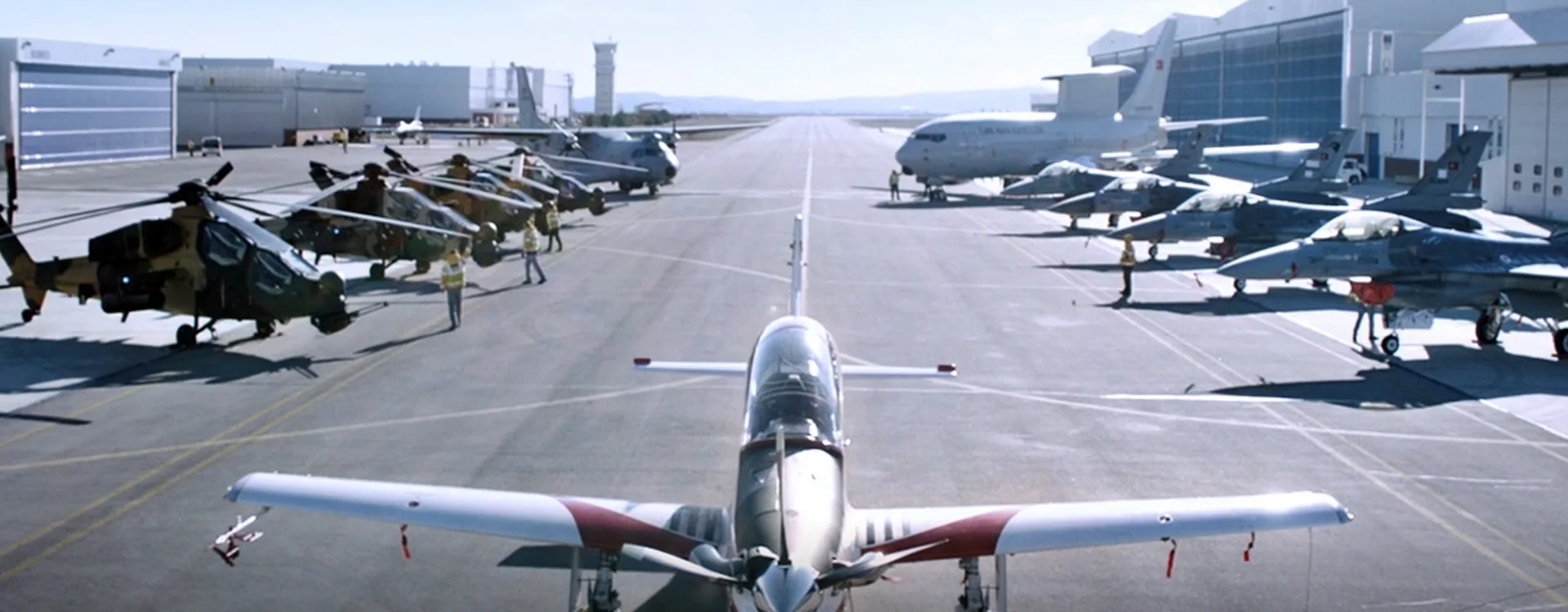
Air-to-air engagement capabilities refer to a fighter aircraft’s ability to detect, track, engage, and neutralize hostile aerial targets. This capability is a cornerstone of modern air power and plays a decisive role in achieving air superiority. Integrated sensor systems, advanced radars, data links, and pilot situational awareness work together to control the airspace, protect friendly assets, and maintain operational dominance. In today’s battlespace, air-to-air combat is no longer limited to visual contact; long-range, network-enabled engagements now define the nature of aerial warfare.
From a technical standpoint, air-to-air engagement capability is shaped by factors such as radar range, target tracking accuracy, electronic warfare resistance, missile integration, and command-and-control compatibility. Within-visual-range (WVR) engagements rely on high maneuverability and short-range missiles, while beyond-visual-range (BVR) engagements are conducted using long-range radar-guided missiles supported by sensor fusion and network-centric warfare concepts. Active and passive sensor fusion enables pilots to detect, prioritize, and engage multiple targets simultaneously. In addition, electronic countermeasure systems significantly increase survivability by disrupting enemy radar and guidance systems. When combined, these elements transform modern fighter aircraft into multi-layered aerial combat systems rather than standalone platforms.


The cookies used on our website are used to provide you with a better user experience and to improve our website. You can manage your cookie preferences from the options below.



 Rabia Kılıç