BREAKING NEWS
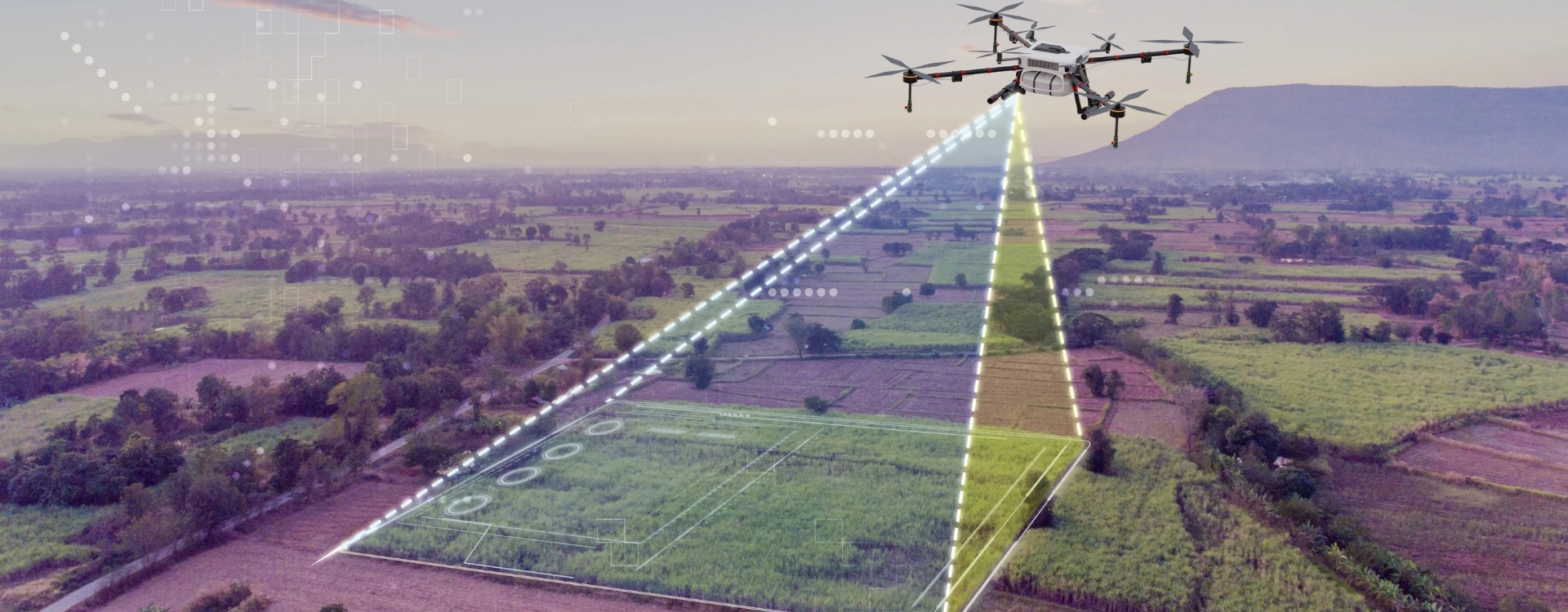
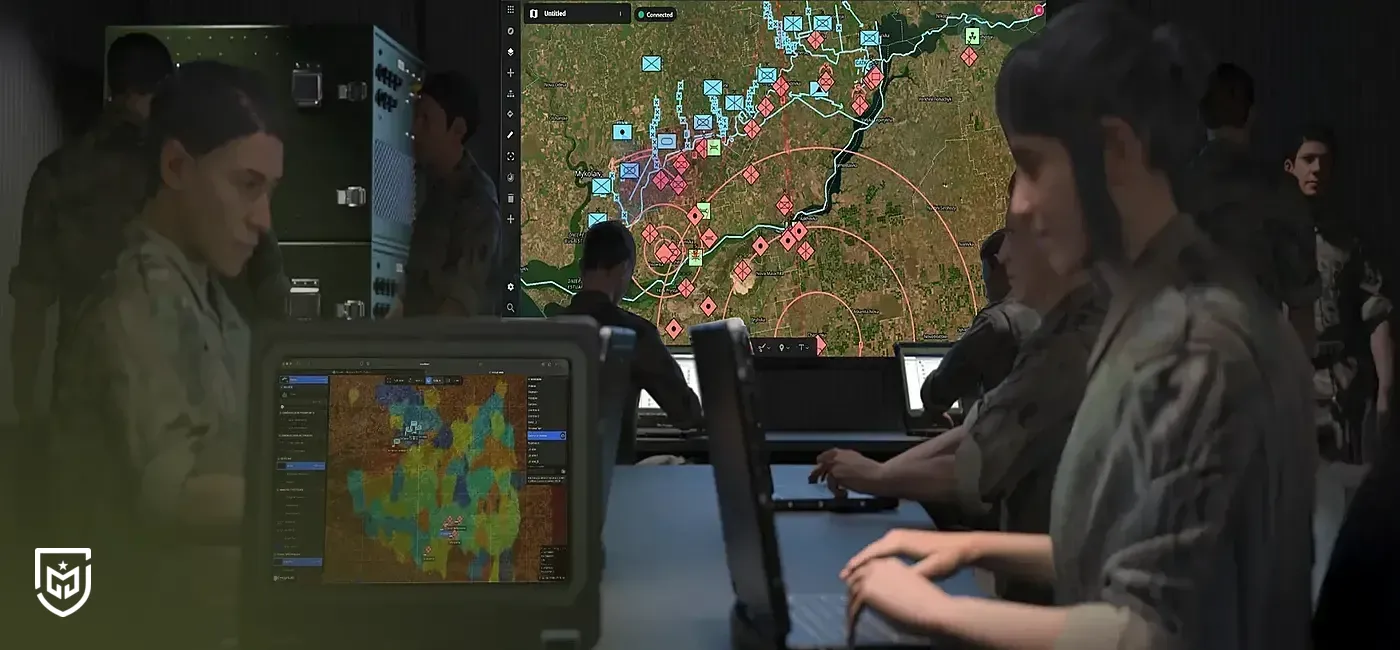
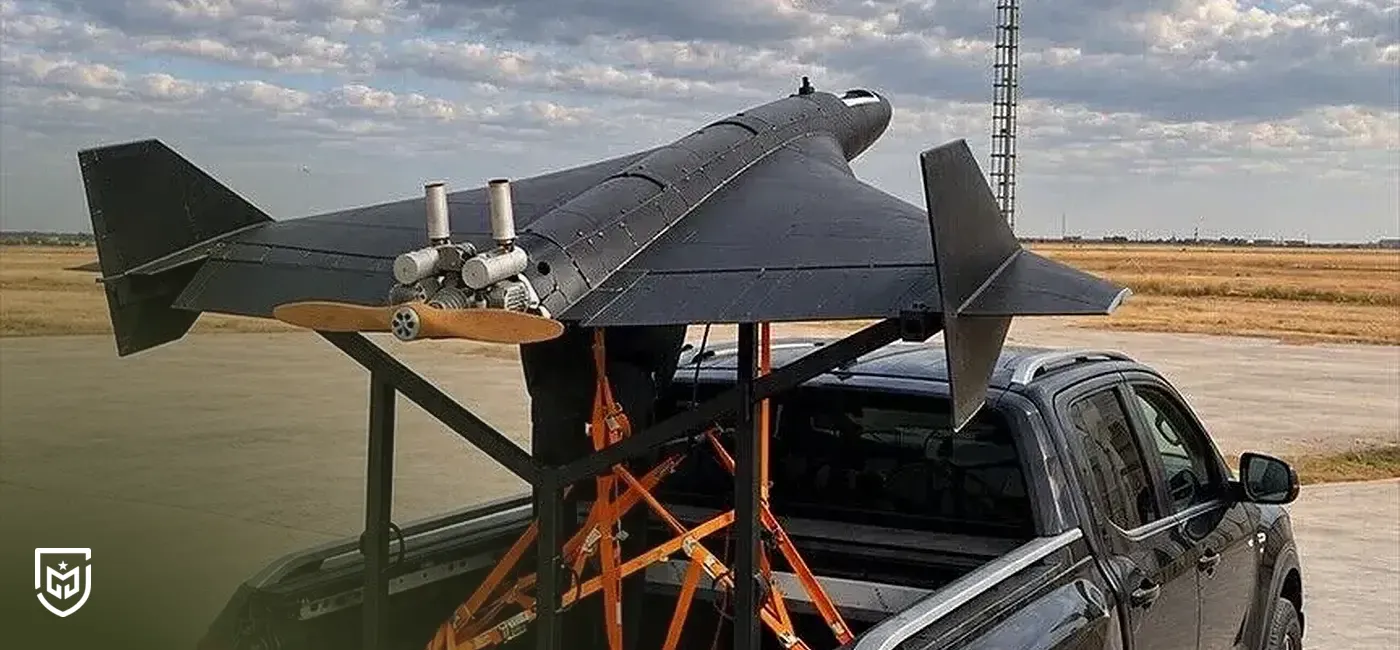
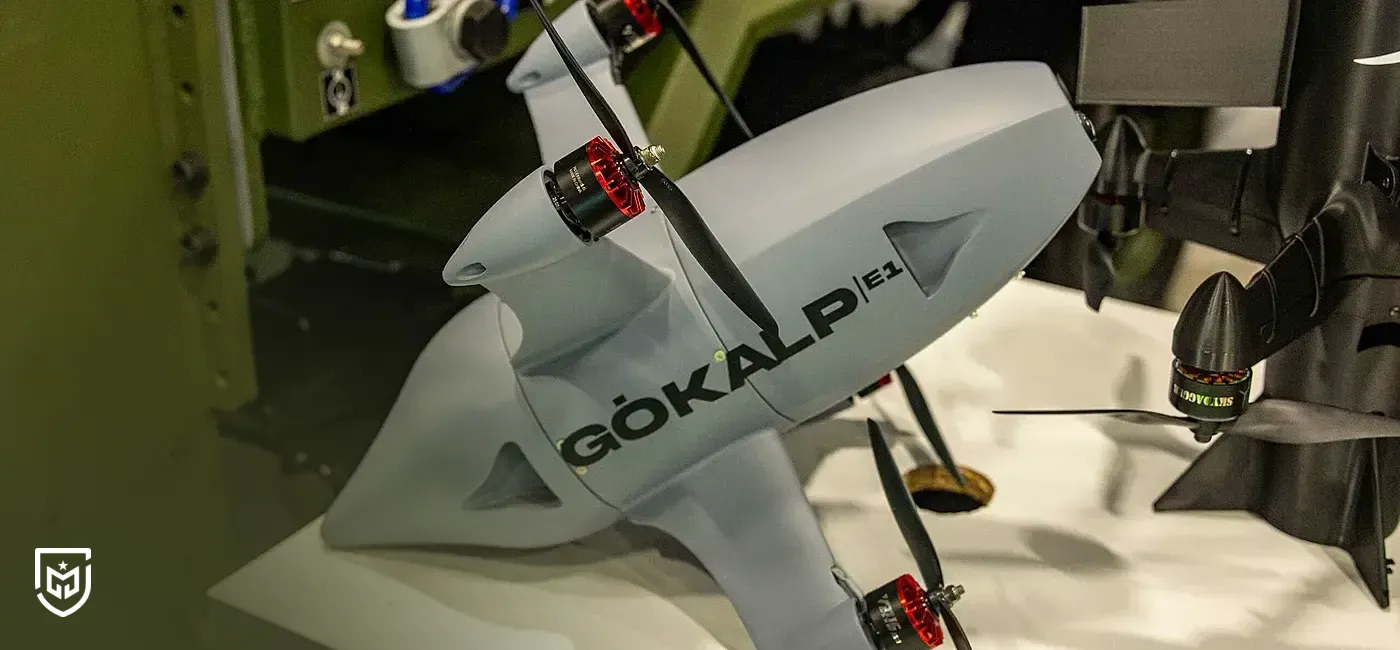
Unmanned Aerial Vehicles (UAVs) have evolved beyond being simple flying platforms into intelligent systems capable of perception, analysis, and decision-making. At the core of this transformation lie visual recognition algorithms. Visual recognition in UAVs enables the aircraft to automatically detect and identify objects, people, vehicles, structures, and terrain features through onboard cameras. The growing demand for speed, accuracy, and autonomy—especially in military operations, border security, search and rescue missions, agriculture, and infrastructure inspection—has made this technology indispensable. In the initial stage, the system captures visual data and applies preprocessing techniques to reduce noise, creating cleaner and more reliable input for advanced algorithms.
From a more technical perspective, visual recognition algorithms used in UAVs are built on machine learning and deep learning architectures. In particular, Convolutional Neural Networks (CNNs) play a critical role in real-time object detection and classification tasks. These models are trained on thousands or even millions of images, enabling them to distinguish targets accurately even in complex and dynamic environments. Since UAVs operate with limited processing power and energy capacity, the algorithms are highly optimized to ensure real-time performance without causing latency during flight. Today, thanks to advanced visual recognition systems, UAVs can perform autonomous target tracking, threat assessment, mapping, and situational awareness with minimal or no human intervention. This clearly indicates that UAV technology is moving toward a future defined by greater autonomy, enhanced safety, and increased operational effectiveness.


The cookies used on our website are used to provide you with a better user experience and to improve our website. You can manage your cookie preferences from the options below.



 Süheyla Yıldız