BREAKING NEWS
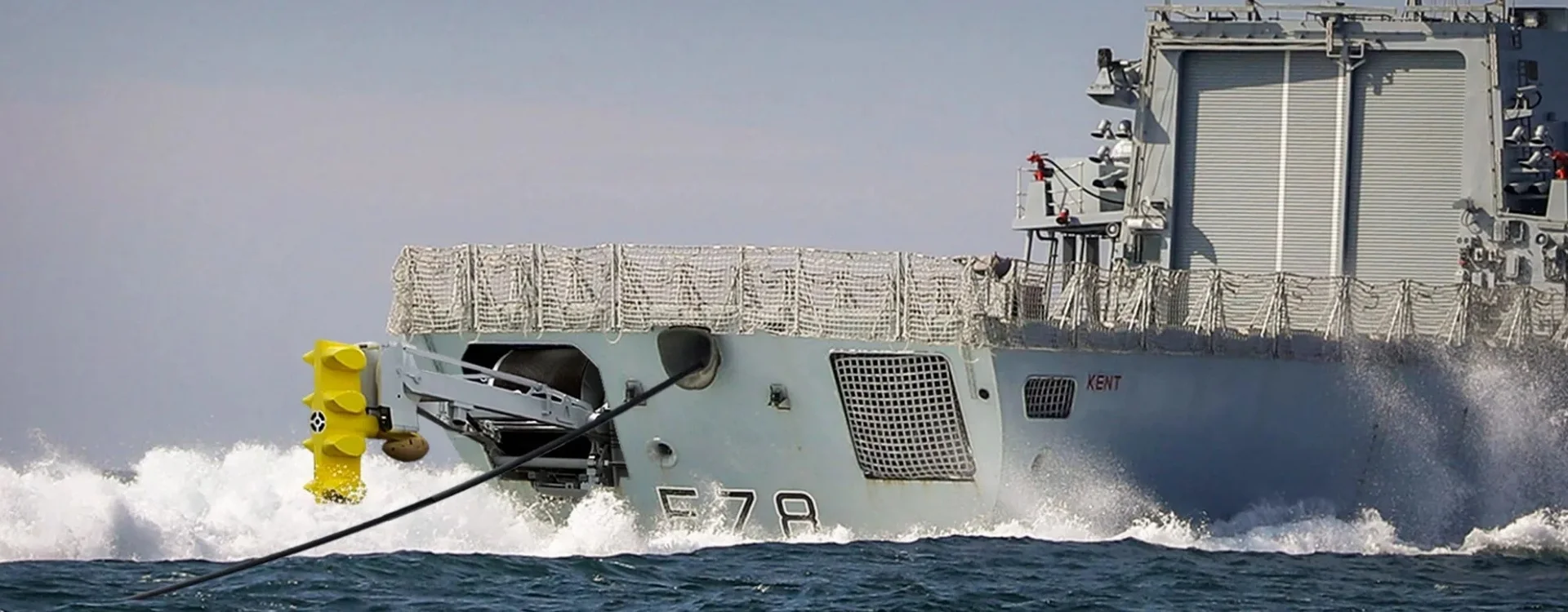
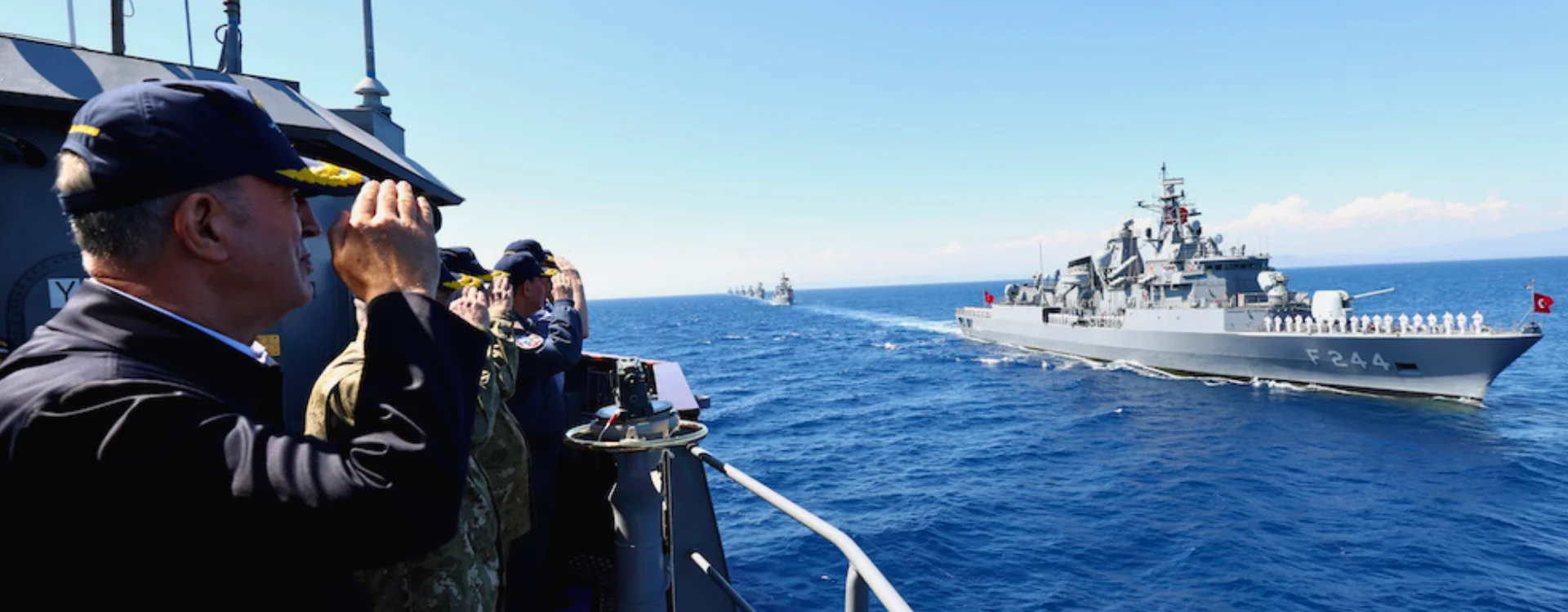
Sonar systems are among the most critical technologies used in naval warfare to detect submarines, naval mines, and underwater threats. In modern maritime operations, sonar functions as a strategic force multiplier that enables forces to “see” beneath the surface. Just as radar is essential in air defense, sonar is indispensable underwater. Today, through active, passive, and hybrid sonar technologies, naval forces achieve wide-area surveillance and enhanced defensive capabilities. These systems are integrated into frigates, corvettes, submarines, and unmanned underwater vehicles to ensure operational superiority in complex maritime environments.
Technically, sonar systems are categorized into three primary types: Active Sonar, Passive Sonar, and Towed Array Sonar systems. Active sonar operates by transmitting sound waves into the water and analyzing the returning echoes, making it particularly effective against short- to medium-range threats. Passive sonar, on the other hand, does not emit signals; instead, it listens for acoustic signatures produced by vessels or submarines. This provides a significant advantage in stealth-based operations where remaining undetected is crucial. Towed array sonar systems consist of long sensor arrays deployed behind a vessel via cable, allowing detection of low-frequency sounds over much greater distances. In anti-submarine warfare, low-frequency active sonar plays a key deterrent role. Since the Cold War era, advancements in sonar technology have significantly improved submarine detection capabilities. Today, digital signal processing, artificial intelligence-supported analysis, and integration with combat management systems allow sonar data to be evaluated in real time, directly influencing tactical decision-making processes.


The cookies used on our website are used to provide you with a better user experience and to improve our website. You can manage your cookie preferences from the options below.




 Süheyla Yıldız