BREAKING NEWS
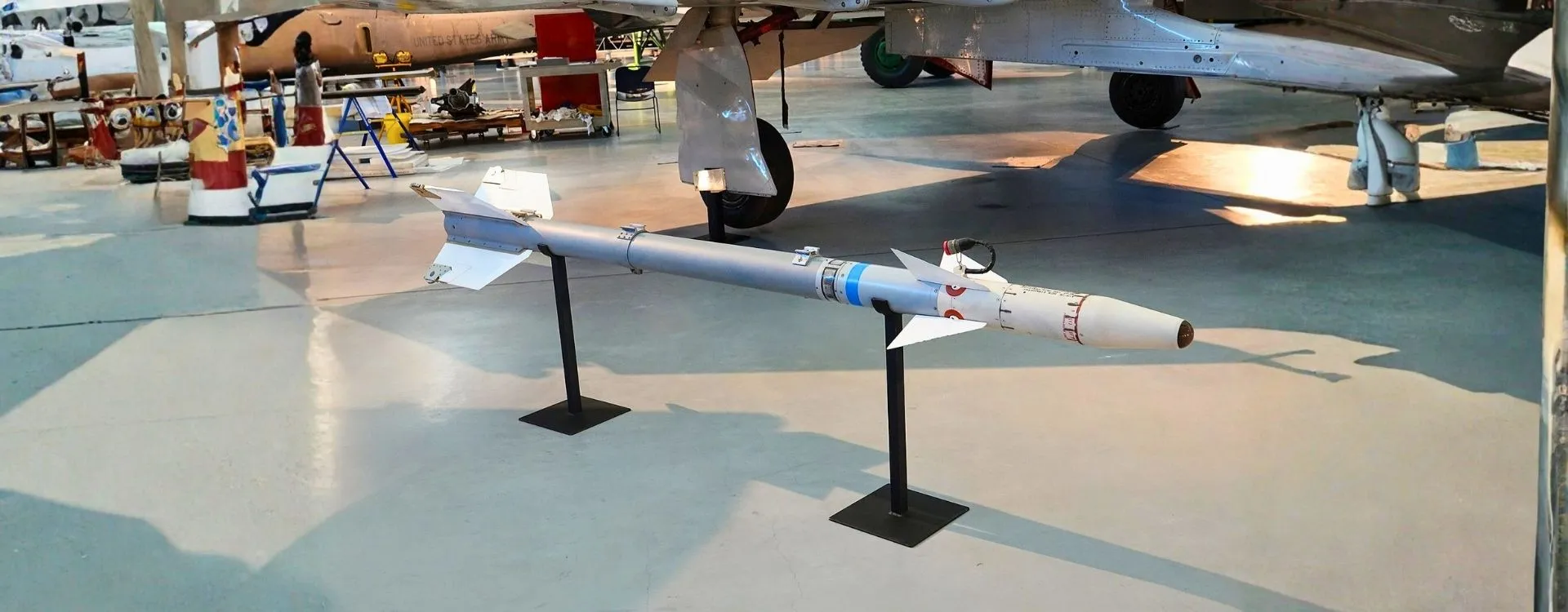
In air-to-air missiles, the seeker head is the most critical component that enables the missile to detect, track, and remain locked on the target until impact. Success in modern air combat is determined not only by missile speed or range, but by how accurately and reliably the target is perceived. For this reason, seeker head technologies stand at the core of contemporary air combat doctrines. Today’s systems range from passive solutions that detect infrared heat signatures to active structures that illuminate targets using radar energy. Resistance to electronic countermeasures, high target discrimination, and effective performance in multi-target environments are key factors influencing the selection of seeker head types.
From a technical perspective, the most commonly used seeker heads in air-to-air missiles are Infrared (IR), Semi-Active Radar Homing (SARH), Active Radar Homing (ARH), and Imaging Infrared (IIR) systems. IR seekers operate passively by tracking the heat emitted by an aircraft’s engines and offer high effectiveness at short ranges with a lock-on-before-launch capability. SARH systems guide the missile by following radar energy reflected from the target, requiring the launching aircraft to continuously illuminate the target. ARH seekers, on the other hand, use their own onboard radar, enabling fire-and-forget capability and significantly improving pilot survivability. More advanced IIR seekers analyze the thermal image of the target, allowing them to distinguish real targets from decoys and maintain superior performance against highly maneuverable aircraft. The current trend in missile development focuses on dual-mode and multi-spectral seeker heads, which can respond effectively to diverse threat scenarios within a single missile system.


The cookies used on our website are used to provide you with a better user experience and to improve our website. You can manage your cookie preferences from the options below.





 Süheyla Yıldız