BREAKING NEWS
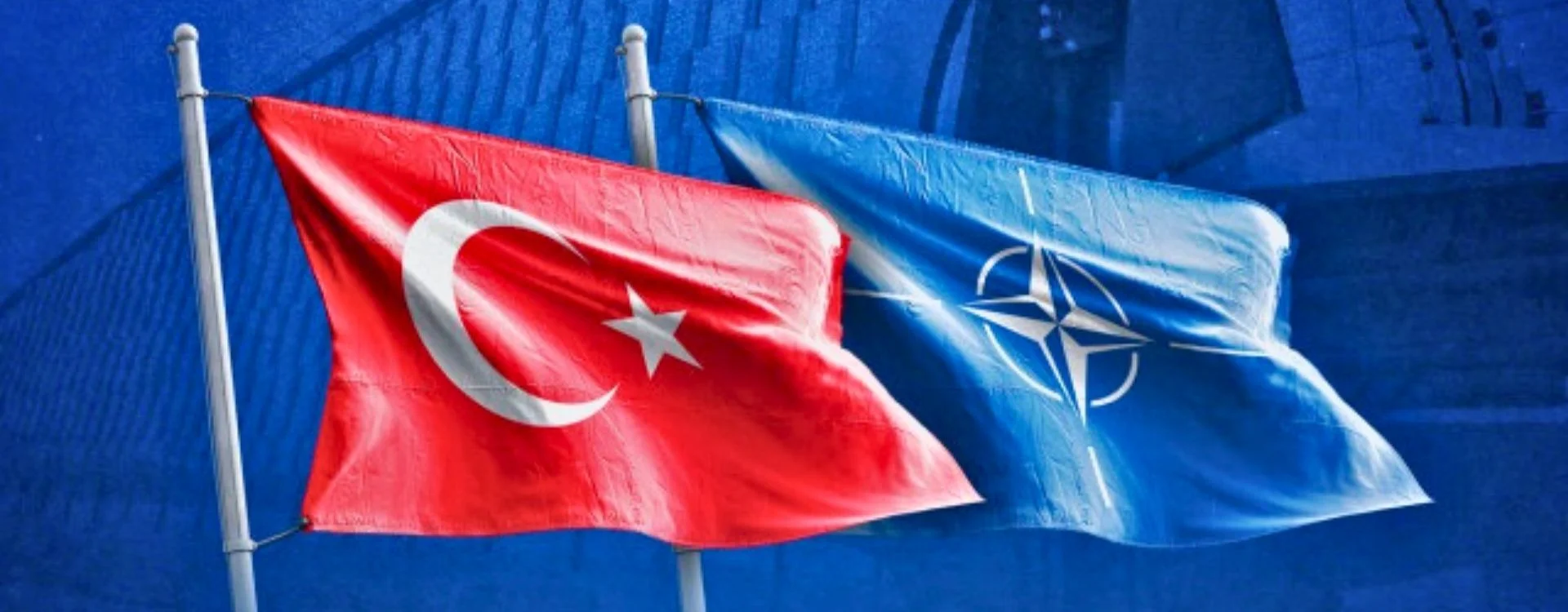
Turkey’s accession to NATO in 1952 marked a turning point in its security policy, aligning the country with the Western bloc at a time dominated by Cold War dynamics. Membership not only strengthened Turkey’s defense posture through the alliance’s collective security framework but also elevated its diplomatic influence in regional and global affairs. As NATO expanded over the decades, welcoming new members and extending its geographic reach, Turkey experienced both strategic benefits and new responsibilities shaped by evolving international security trends.
However, NATO enlargement has presented Turkey with a complex set of opportunities and challenges. Given Turkey’s historical, cultural, and geopolitical influence across the Balkans, the Black Sea region, and Central Asia, the alliance’s expansion into these areas aligned naturally with Ankara’s regional interests. At the same time, the growth of NATO and its shifting mission — including crisis management, counter-terrorism, and regional stability — required Turkey to recalibrate its defense and foreign policy priorities. Balancing NATO commitments with its own strategic interests, particularly in relations with Russia and its broader regional diplomacy, has become a defining feature of Turkey’s role within the alliance. As a result, Turkey today stands at the intersection of NATO’s evolving security vision and its own national interests, pursuing a delicate yet decisive strategy.


The cookies used on our website are used to provide you with a better user experience and to improve our website. You can manage your cookie preferences from the options below.







 Rabia Kılıç