BREAKING NEWS
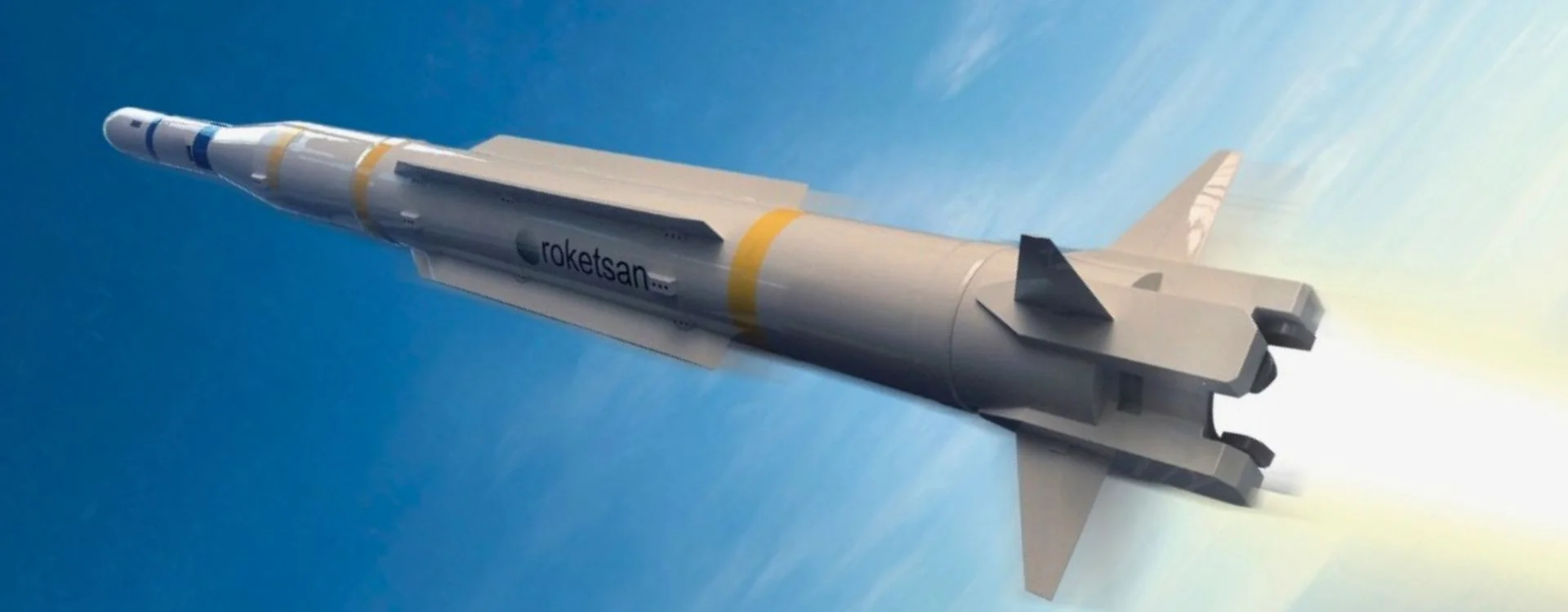
Two of the most important components of Turkey’s national air defense architecture are HİSAR-A and HİSAR-O. Although they belong to the same family, these systems differ significantly in terms of range, altitude, mission profile, deployment platform and the types of units they protect. In simple terms, HİSAR-A is designed for low-altitude/short-range defense, while HİSAR-O provides medium-altitude/medium-range protection — and together they form a strong layered air defense shield.
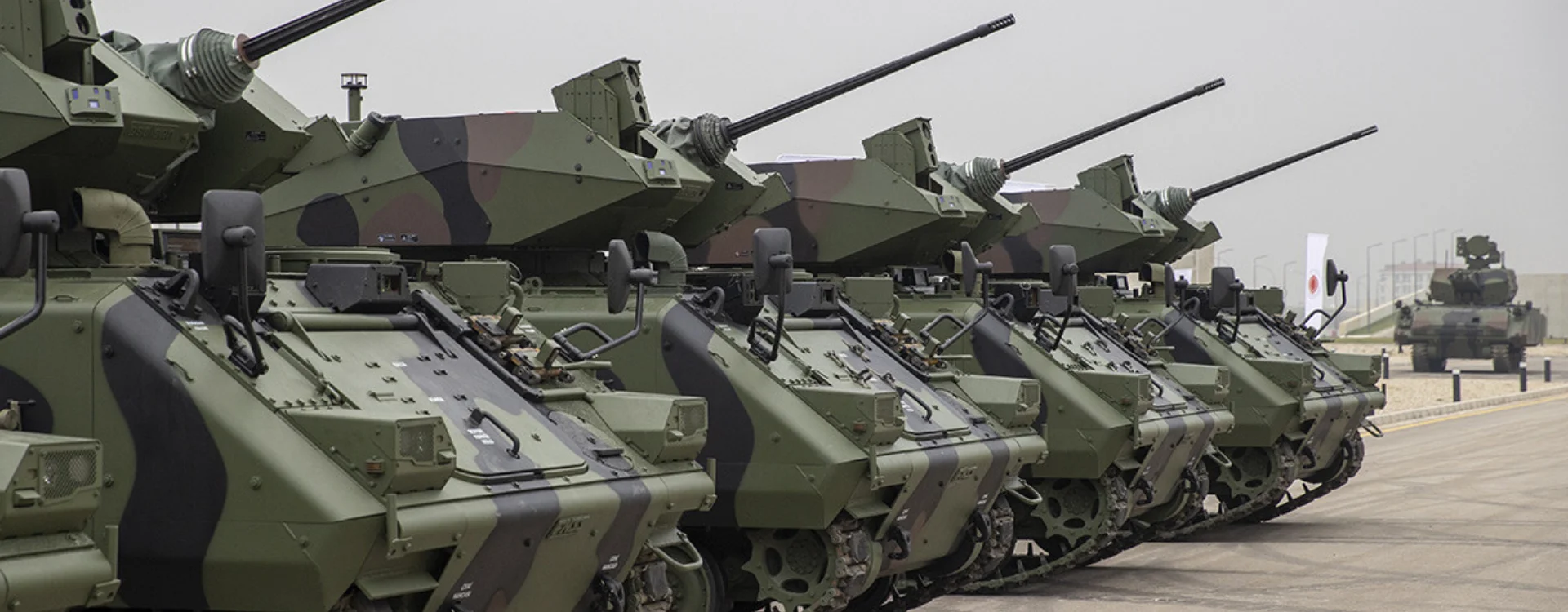
HİSAR-A was developed to ensure the close-range air defense of ground troops and mobile units. It targets low-altitude threats such as fighter jets, helicopters, UAVs/UCAVs, cruise missiles and air-to-surface munitions. With its short-range and rapid-reaction structure, it acts as the primary shield for frontline units. Mounted on armored tracked or wheeled vehicles, HİSAR-A stands out with its high mobility on the battlefield. The system includes search radar, fire control radar, a command-and-control unit and vertical-launch missile launchers.
HİSAR-O, on the other hand, operates further behind the front line, offering medium-range and medium-altitude air defense. Its mission is to protect bases, command centers, logistic hubs and critical infrastructure from threats coming from greater distances and higher altitudes. For this reason, HİSAR-O features longer range and higher altitude capability compared to HİSAR-A. Its launchers and radar systems, typically mounted on multi-wheeled military trucks, can be deployed across larger areas to establish a regional defense layer.
The most defining difference between the two systems appears in their range and altitude capabilities. While HİSAR-A focuses on threats approaching the frontline at low altitude, HİSAR-O engages targets detected from farther distances and higher altitudes. In terms of overall air defense planning, HİSAR-A forms the first line of defense, followed by HİSAR-O as the next protective layer. This multi-layered structure increases survivability and significantly enhances deterrence by forcing incoming threats to pass through multiple defense rings.
Another major distinction lies in their deployment platforms and operational use. HİSAR-A is integrated onto armored combat vehicles, allowing it to move together with high-mobility field units, ensuring they never operate without a protective shield. HİSAR-O, however, is generally deployed around fixed or semi-fixed locations such as bases and critical facilities, making it the “regional guardian” of the battlefield.
Both systems incorporate modern guidance technologies. Target detection and tracking are performed through radar and electro-optical sensors, while the missiles communicate with command-and-control elements throughout the flight. This enables multi-target engagement, rapid reaction capability and reliable performance under challenging weather conditions. The architecture of the HİSAR family is designed not only for standalone operation but also for seamless integration into network-centric defense systems.
From a strategic perspective, HİSAR-A and HİSAR-O form the backbone of Turkey’s layered air defense doctrine on the ground. While long-range systems like SİPER protect the upper layer, HİSAR-O covers the mid-altitude zone, and HİSAR-A provides protection at lower altitudes. This structure allows simultaneous protection of both frontline troops and essential national infrastructure.


The cookies used on our website are used to provide you with a better user experience and to improve our website. You can manage your cookie preferences from the options below.



 Rabia Kılıç