BREAKING NEWS
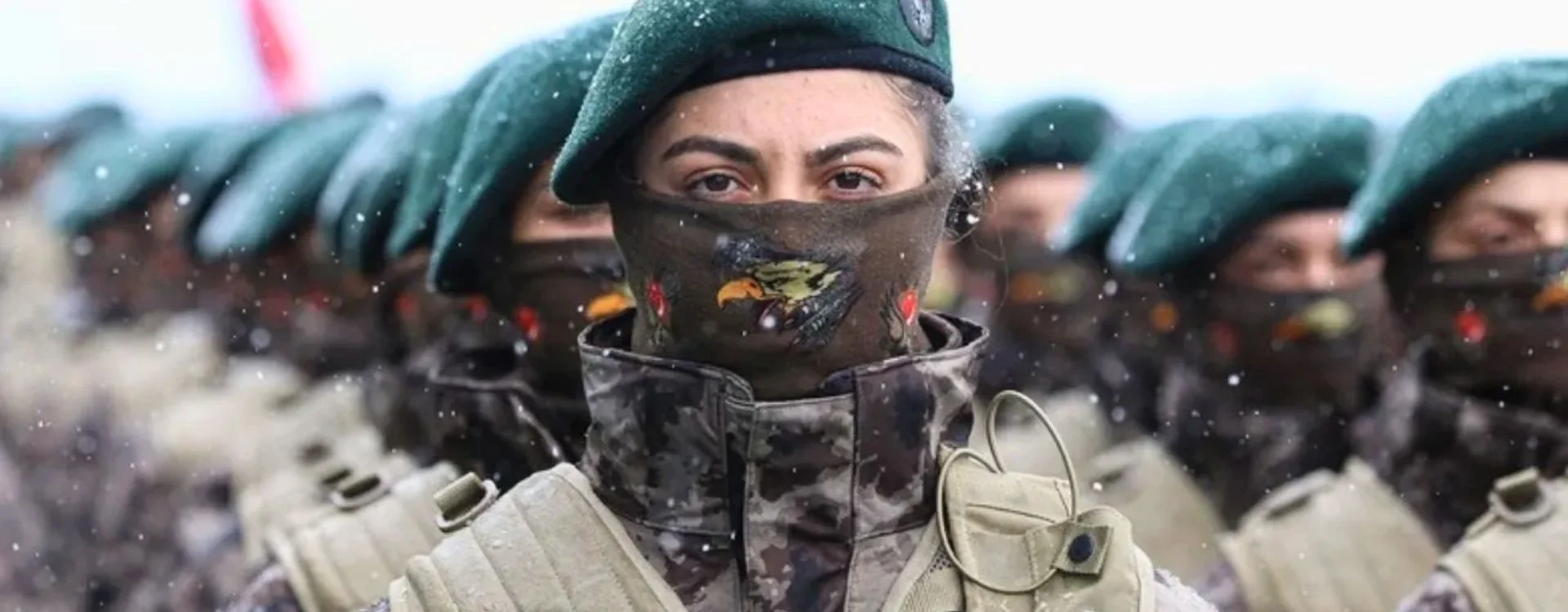
The role of women soldiers in armed forces has become increasingly visible and strategically significant alongside the evolution of modern security concepts. Once associated with limited assignments, women now serve across a broad spectrum—from operational units to command and control structures. This shift is driven not only by principles of social equality, but also by the need for effective human resource utilization and enhanced institutional capacity. For contemporary militaries, the integration of women reflects greater diversity, adaptability, and operational resilience.
From a technical standpoint, women soldiers contribute across multiple domains including logistics, intelligence, cybersecurity, air and naval forces, peacekeeping operations, and—within certain countries—combat roles. International military doctrines emphasize the advantages women provide in civil–military engagement, intelligence collection, and stabilization missions, particularly in crisis and post-conflict environments. This approach has been institutionalized across many security frameworks, notably within NATO. Today, the role of women in the armed forces is measured not merely by participation rates, but by quality of assignments, leadership positions, and inclusion in strategic decision-making, contributing to more inclusive, capable, and effective modern militaries.


The cookies used on our website are used to provide you with a better user experience and to improve our website. You can manage your cookie preferences from the options below.


 Rabia Kılıç