BREAKING NEWS
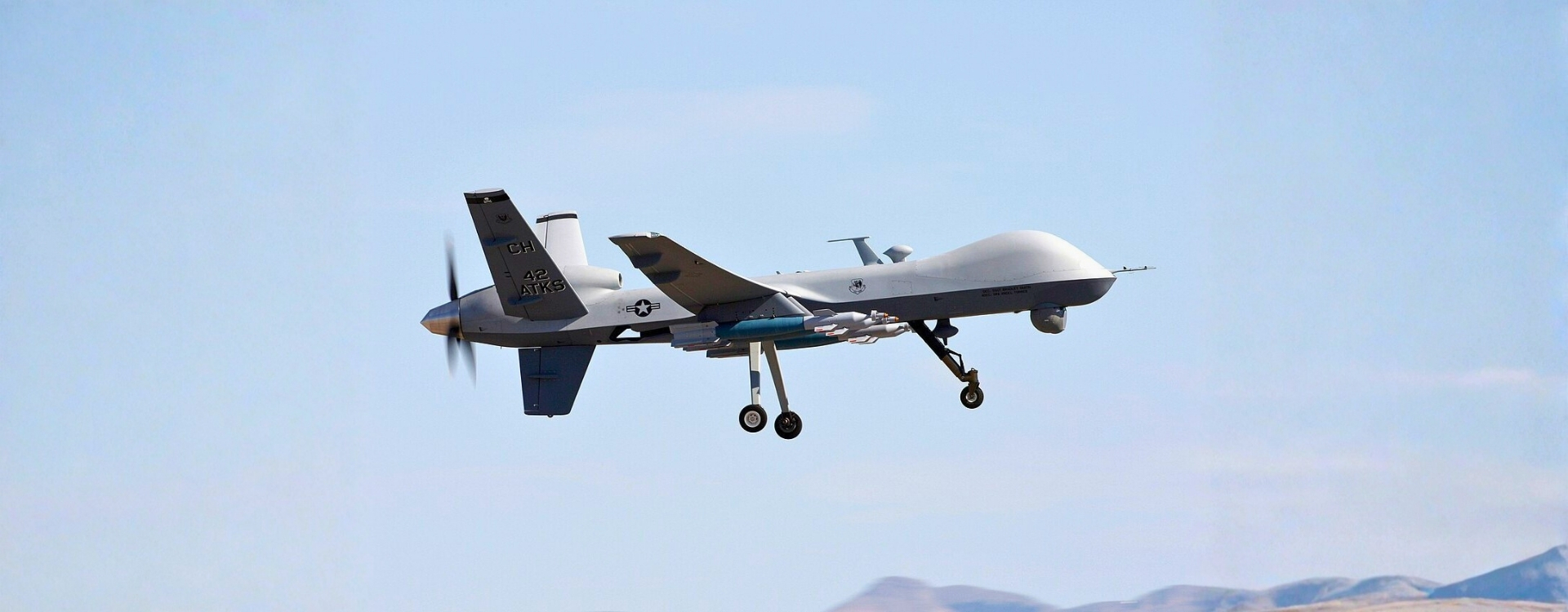
Armed Unmanned Aerial Vehicles (UCAVs) have become one of the most prominent elements of modern military doctrines. Their ability to be remotely operated, conduct highly precise target identification, and eliminate pilot risk has made UCAVs indispensable tools in contemporary military operations. However, these technological advantages also bring serious debates within the framework of international law. Issues such as cross-border operations, target selection, and civilian casualties raise fundamental questions about the legal legitimacy of UCAV use. At first glance, UCAVs may appear to be a technological extension of conventional weapons systems, yet their operational impact necessitates a reinterpretation of existing legal frameworks.
Within the scope of international humanitarian law, the use of UCAVs is assessed through the principles of distinction, proportionality, and military necessity. In this context, the Geneva Conventions and their additional protocols require the protection of civilians and the clear identification of military objectives during UCAV operations. However, autonomous or semi-autonomous decision-making systems complicate the issue of accountability. Determining whether responsibility lies with the operator, the chain of command, or the state that developed the system remains a key legal challenge. Furthermore, targeted killings conducted outside active armed conflict zones raise additional debates regarding state sovereignty and the right to life. As a result, UCAVs are not outside international law; rather, they represent a new category of warfare tools that push the boundaries of existing legal norms and highlight the need for updated regulations.


The cookies used on our website are used to provide you with a better user experience and to improve our website. You can manage your cookie preferences from the options below.



 Süheyla Yıldız