BREAKING NEWS
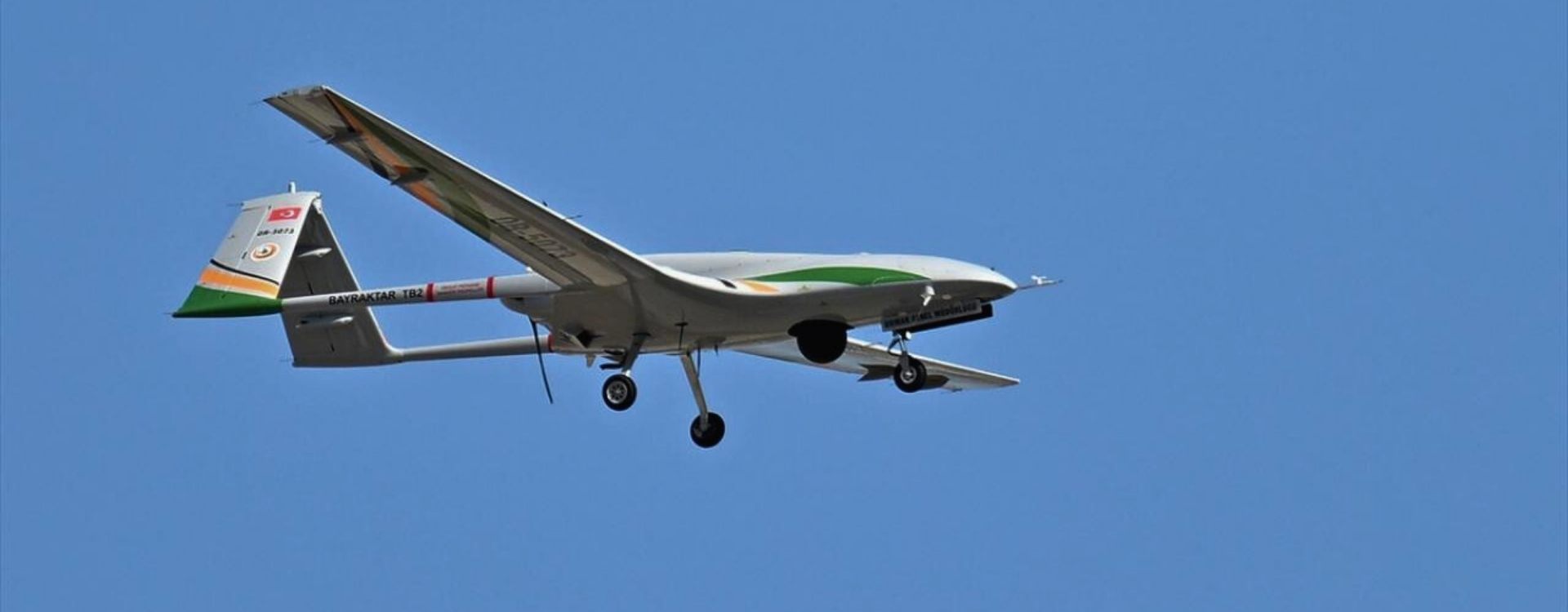
Unmanned Aerial Vehicles (UAVs) have become one of the most critical components of modern military and civilian technologies. However, the heavy dependence on GPS-based positioning and navigation infrastructure creates a significant vulnerability that is often overlooked. While GPS-supported flight systems are generally perceived as highly accurate and reliable, they pose serious risks, especially in electronic warfare environments. Signal loss, jamming, or manipulation can drastically reduce mission effectiveness and may even cause UAVs to lose control entirely. For this reason, GPS dependency is considered one of the most critical weaknesses of autonomous aerial platforms.
From a technical perspective, GPS dependency goes far beyond the loss of location data alone. Route planning, target tracking, time synchronization, and sensor fusion are all directly tied to GPS signals. In military UAV operations, threats such as GPS jamming and spoofing can severely compromise operational security. To mitigate these risks, alternative solutions like inertial navigation systems, vision-based positioning, terrain-referenced navigation, and AI-supported sensor fusion have been developed to reduce absolute reliance on GPS. However, these alternatives also come with limitations, including higher costs, increased processing requirements, and sensitivity to environmental conditions. As a result, GPS dependency in UAVs is not merely a technical concern, but a strategic issue that directly impacts the reliability, resilience, and future sustainability of autonomous aerial systems.


The cookies used on our website are used to provide you with a better user experience and to improve our website. You can manage your cookie preferences from the options below.




 Süheyla Yıldız