BREAKING NEWS
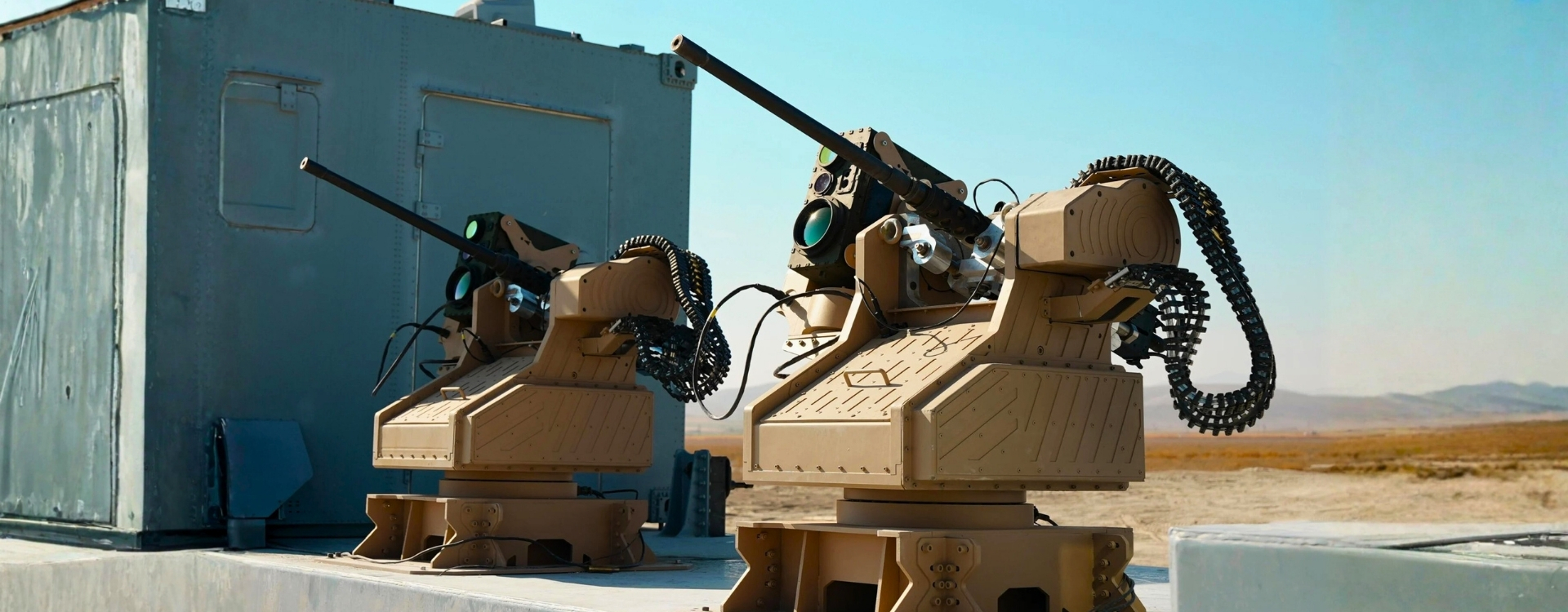
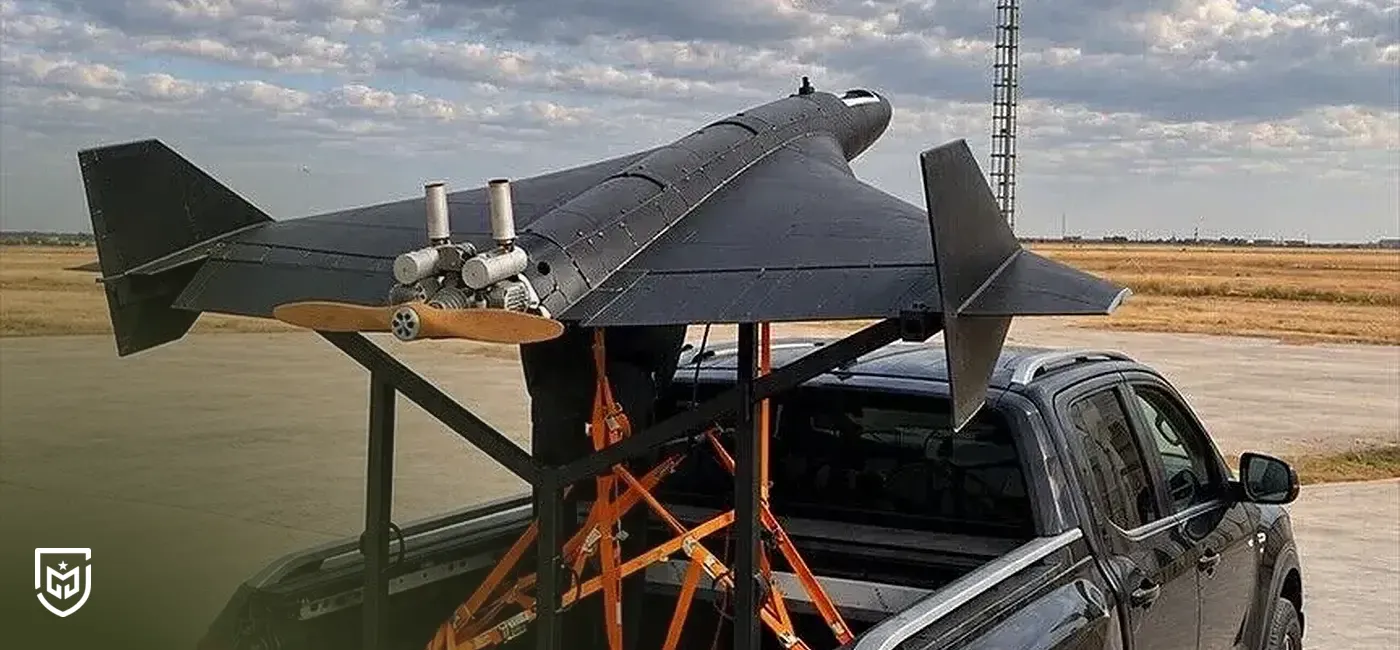
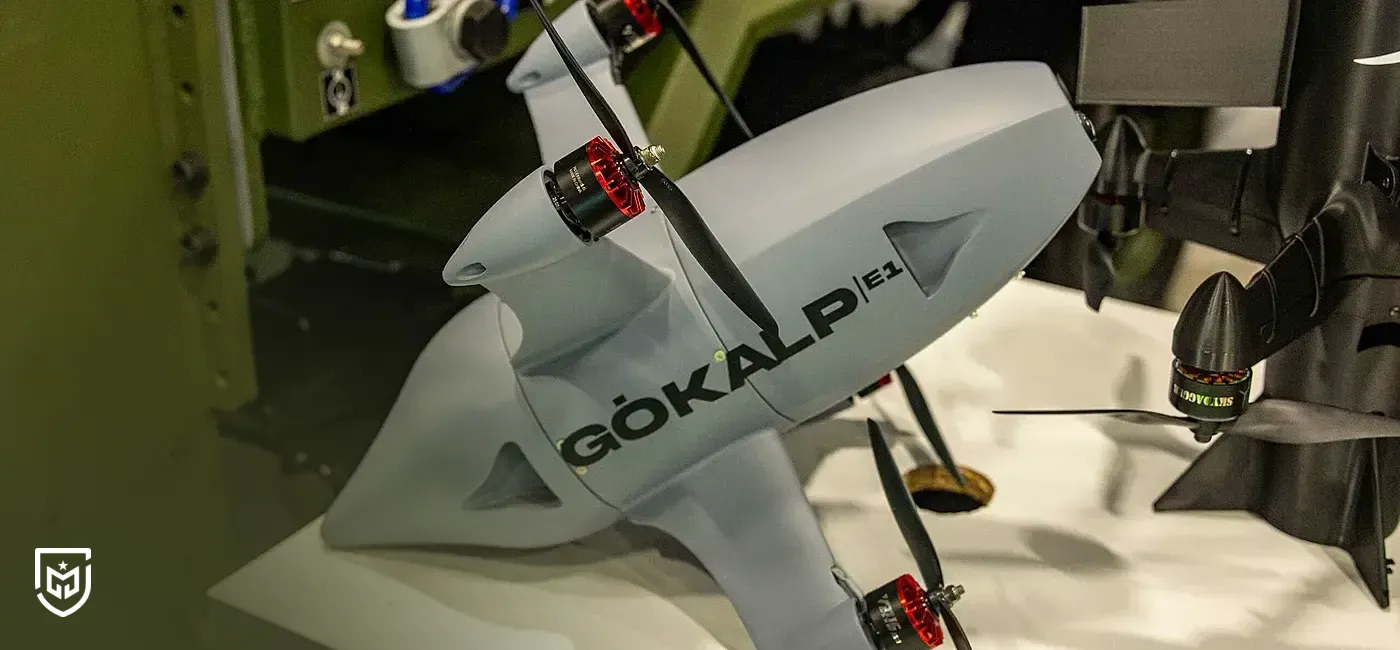
Unmanned Aerial Vehicles (UAVs) have become one of the most critical components of modern battlefields, while electronic warfare threats stand out as one of the greatest challenges these systems face. Attacks such as signal jamming, GPS spoofing, and data link disruption can directly affect a UAV’s mission success. For this reason, modern military doctrines no longer focus solely on producing UAVs, but also prioritize UAV resistance to electronic warfare as a strategic necessity. UAVs that can remain operational, complete their missions, and maintain control under hostile conditions play a decisive role in shaping the balance of power on the battlefield.
From a technical perspective, UAV resistance to electronic warfare relies on a multi-layered defense architecture. Anti-jamming communication systems, frequency-hopping data links, and encrypted communication infrastructures form the first line of defense against signal interference. In addition, GPS-independent navigation capabilities, inertial navigation systems, and AI-supported autonomous flight algorithms enable UAVs to continue their missions even under GPS spoofing attacks. Low radar cross-section designs, passive sensor usage, and electromagnetic signature management further reduce detectability, increasing survivability against electronic warfare assets. Today, electronic warfare-resistant UAVs are no longer seen as mere aerial platforms, but as integrated digital, software-driven, and tactical defense systems that define modern warfare.


The cookies used on our website are used to provide you with a better user experience and to improve our website. You can manage your cookie preferences from the options below.




 Süheyla Yıldız