BREAKING NEWS
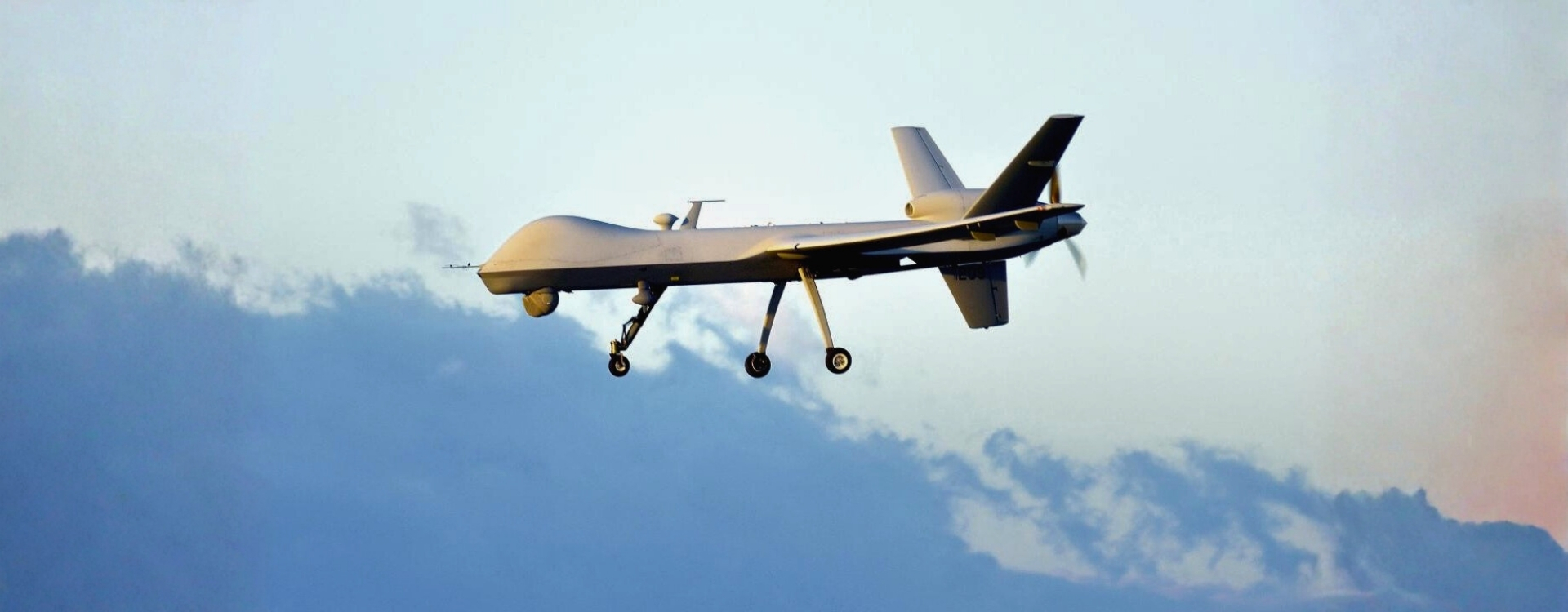
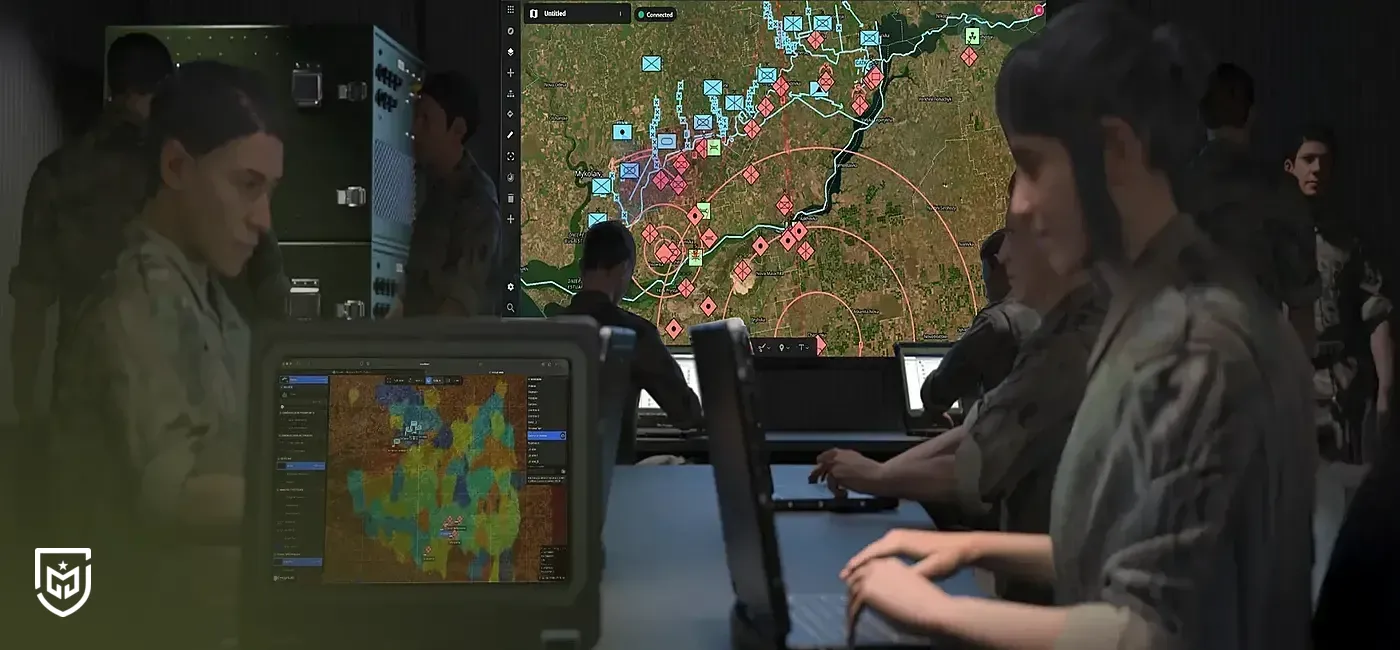
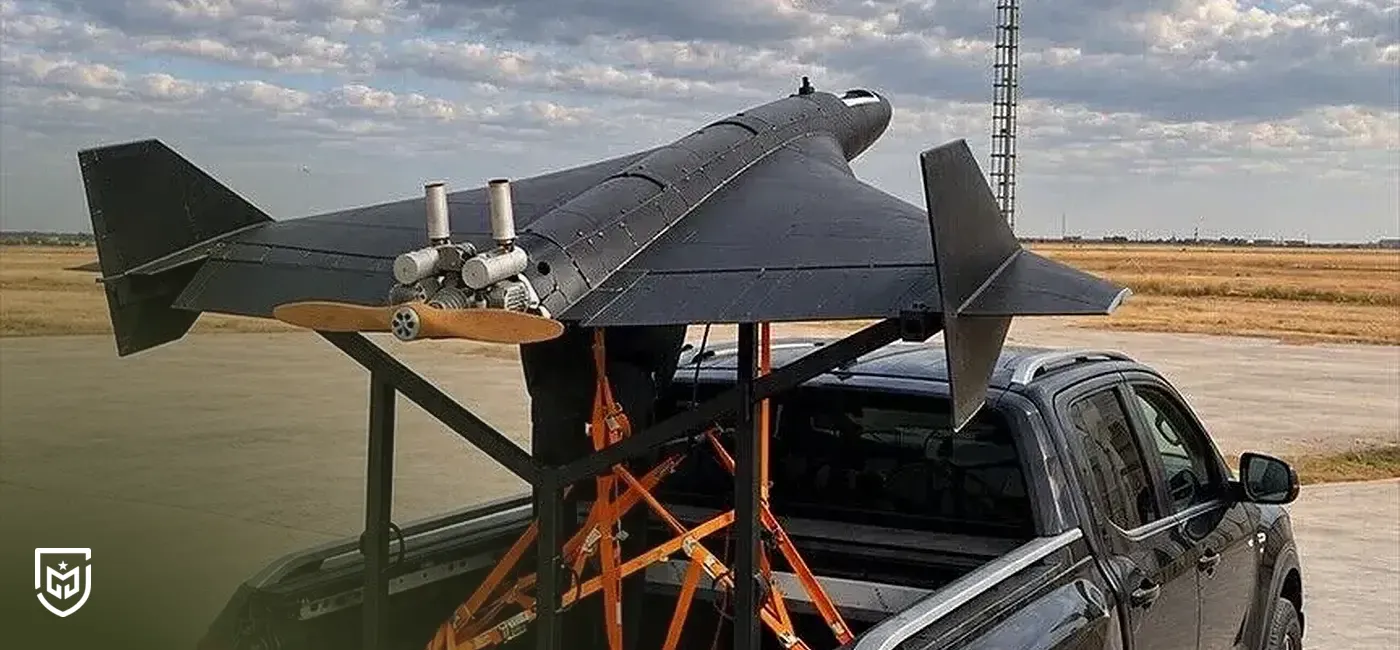
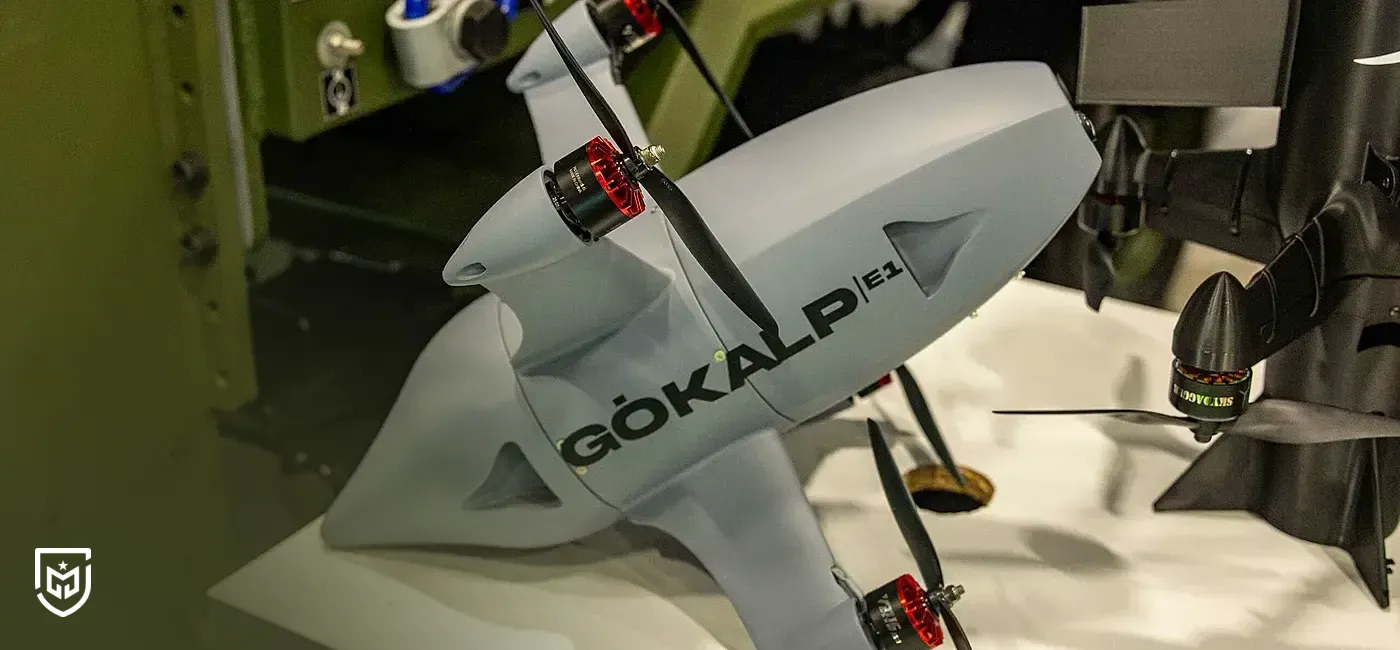
Unmanned Aerial Vehicles (UAVs) are rapidly evolving with artificial intelligence technologies, becoming essential tools across a wide range of fields from defense industries to civilian applications. Capabilities such as autonomous flight, target recognition, data analysis, and real-time decision-making have positioned UAVs at the core of modern technological transformation. However, this advancement should not be viewed solely as technical progress; it also raises serious discussions around ethical, legal, and humanitarian responsibilities. As human involvement in AI-driven UAV decision-making processes decreases, the question of “who is in control?” becomes increasingly critical.
When examined more deeply, ethical boundaries become especially evident in military UAV systems. Delegating target selection and engagement decisions to algorithms introduces risks such as misidentification, civilian harm, and lack of accountability. Since artificial intelligence operates based on data, biased or incomplete datasets can lead to flawed outcomes. Moreover, the deployment of fully autonomous systems may result in the exclusion of human judgment and conscience from critical decisions. For this reason, transparent algorithms, human oversight, international ethical principles, and legal regulations emerge as key factors in defining the limits of artificial intelligence in UAVs. To ensure these technologies are used safely and responsibly in the future, it is inevitable that ethical awareness must advance at the same pace as technological development.


The cookies used on our website are used to provide you with a better user experience and to improve our website. You can manage your cookie preferences from the options below.



 Süheyla Yıldız