BREAKING NEWS
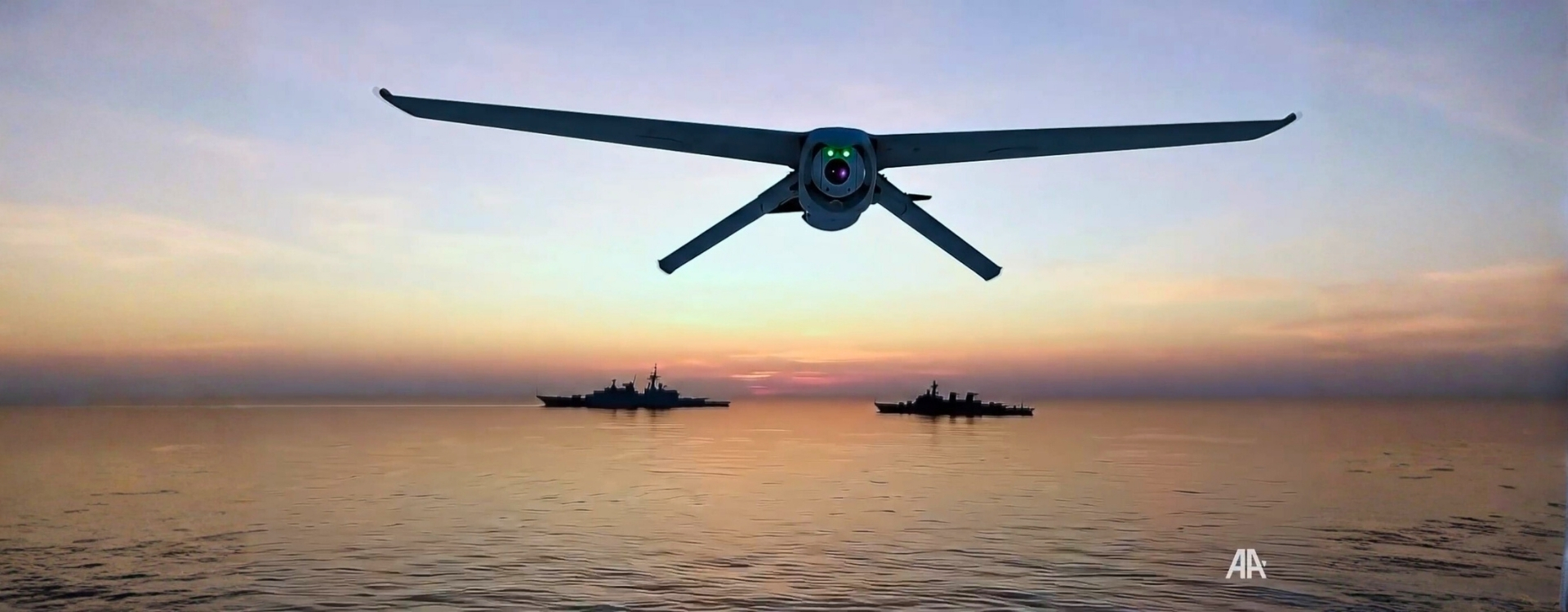
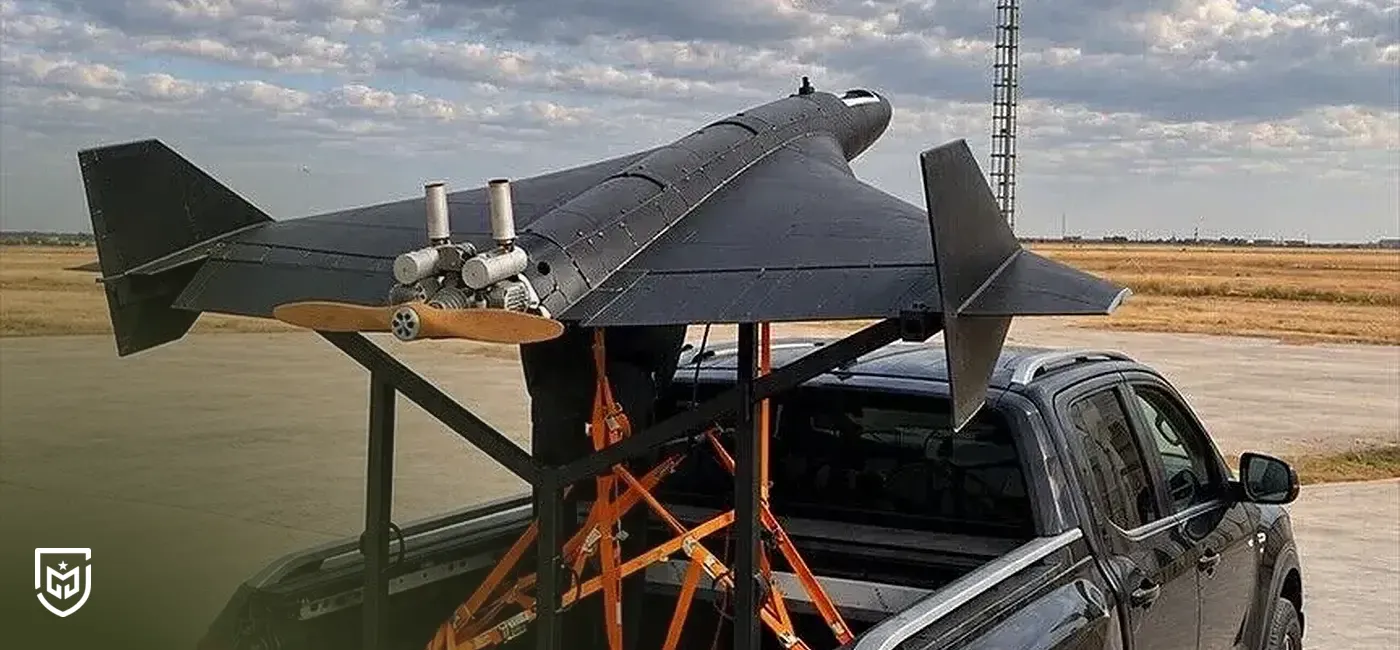
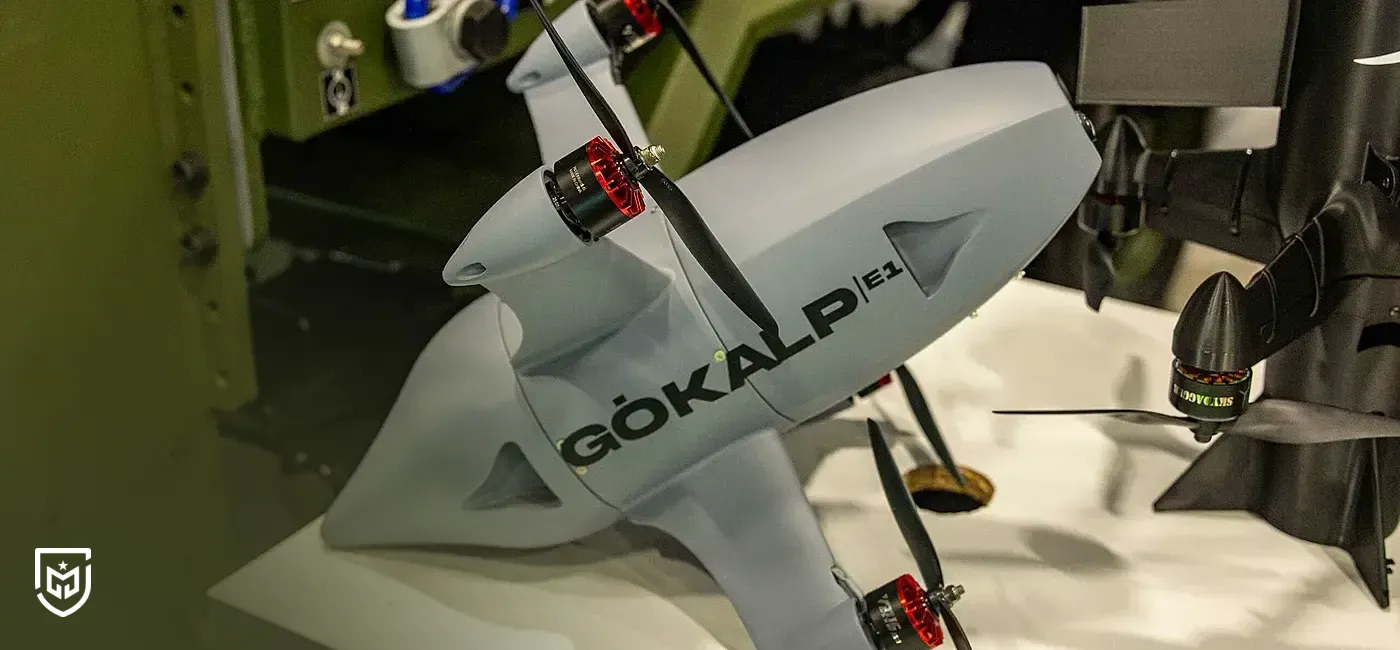
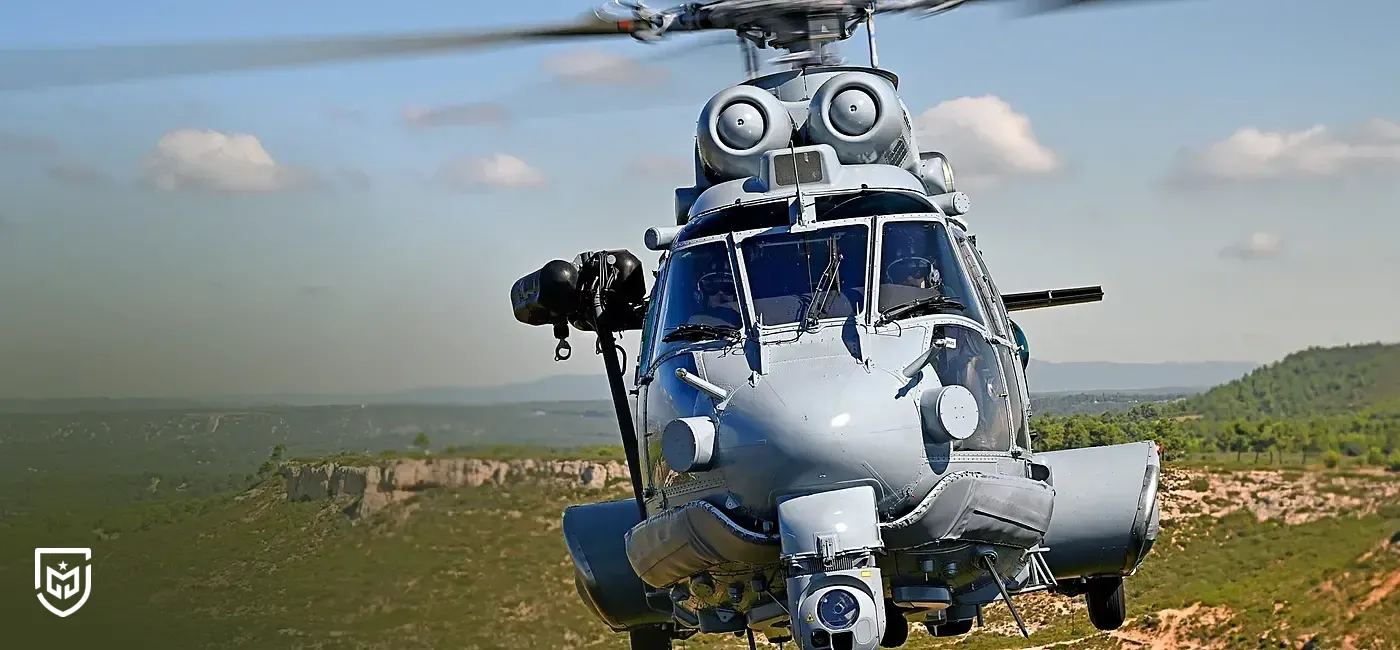
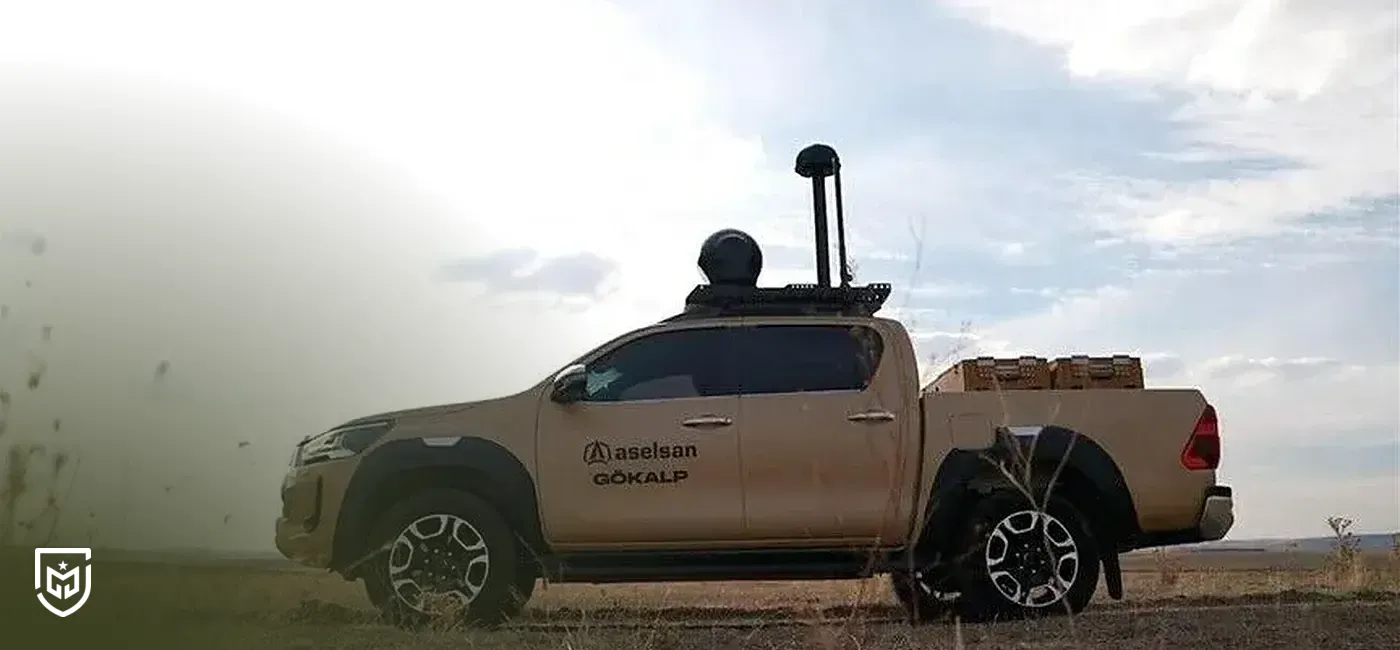
UAV operations over the sea have become one of the most critical components of modern defense and security concepts. Providing continuous surveillance, early threat detection, and real-time intelligence across open seas, coastlines, and strategic straits, these systems enable far wider area control at significantly lower cost compared to conventional naval platforms. Unmanned aerial vehicles can remain airborne for extended periods even under challenging weather and sea conditions, monitoring maritime traffic, detecting illegal activities, and delivering rapid data flow to decision-makers during crises. In this respect, the use of UAVs in maritime environments offers a strategic advantage not only for military purposes but also for civil maritime security and search and rescue operations.
From a technical perspective, maritime UAV operations are supported by advanced radar systems, electro-optical and infrared sensors, satellite communications, and AI-driven data analysis. These capabilities allow low-altitude targets, small surface elements, and sudden threats to be detected with high precision. UAVs play an indispensable role in missions such as maritime patrol, protection of energy corridors, and port and naval base security. Today, UAV operations conducted over the sea stand at the core of national strategies aimed at protecting maritime jurisdiction areas, enhancing deterrence, and increasing operational flexibility, fundamentally transforming the naval dimension of modern warfare doctrines.


The cookies used on our website are used to provide you with a better user experience and to improve our website. You can manage your cookie preferences from the options below.



 Süheyla Yıldız