BREAKING NEWS
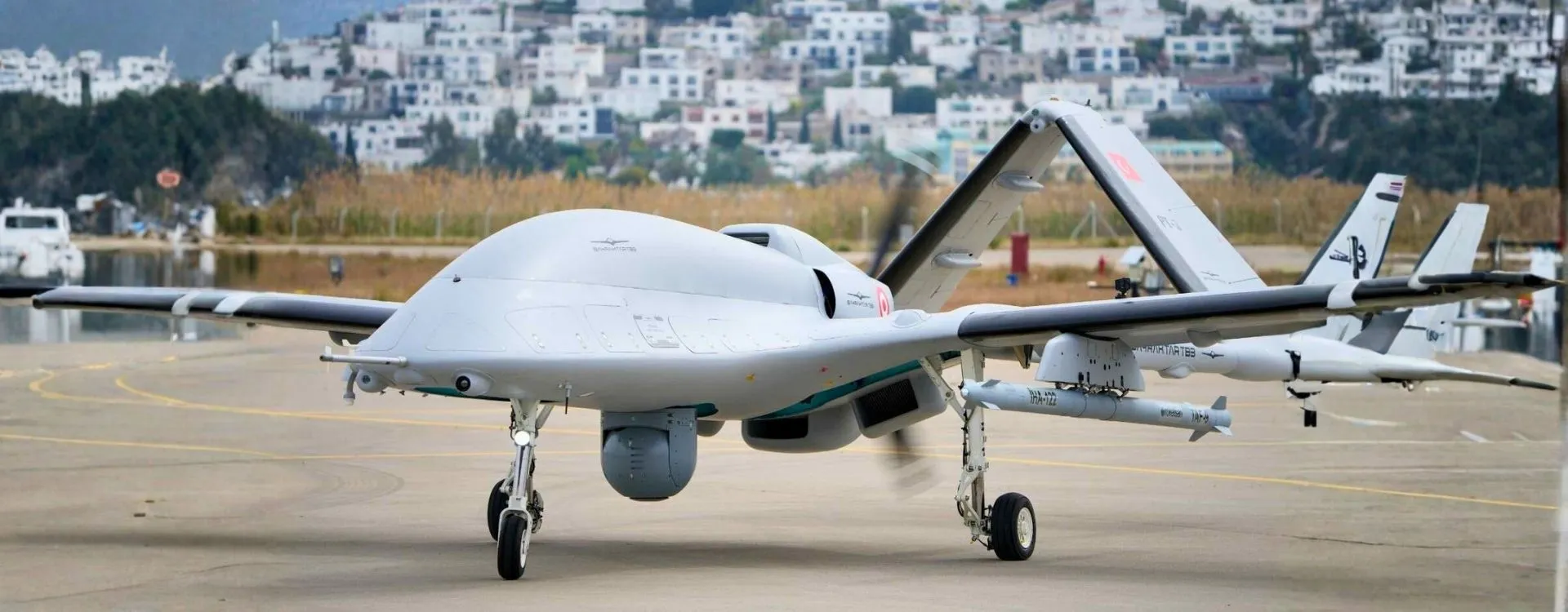
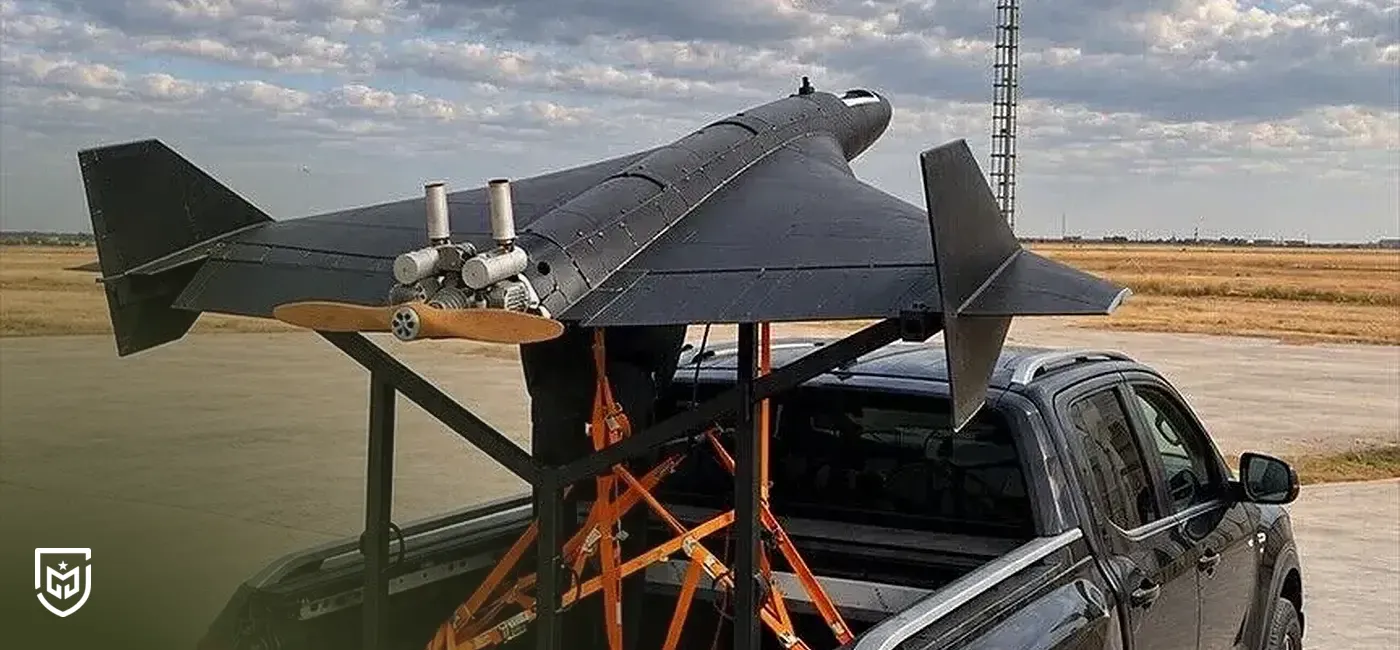
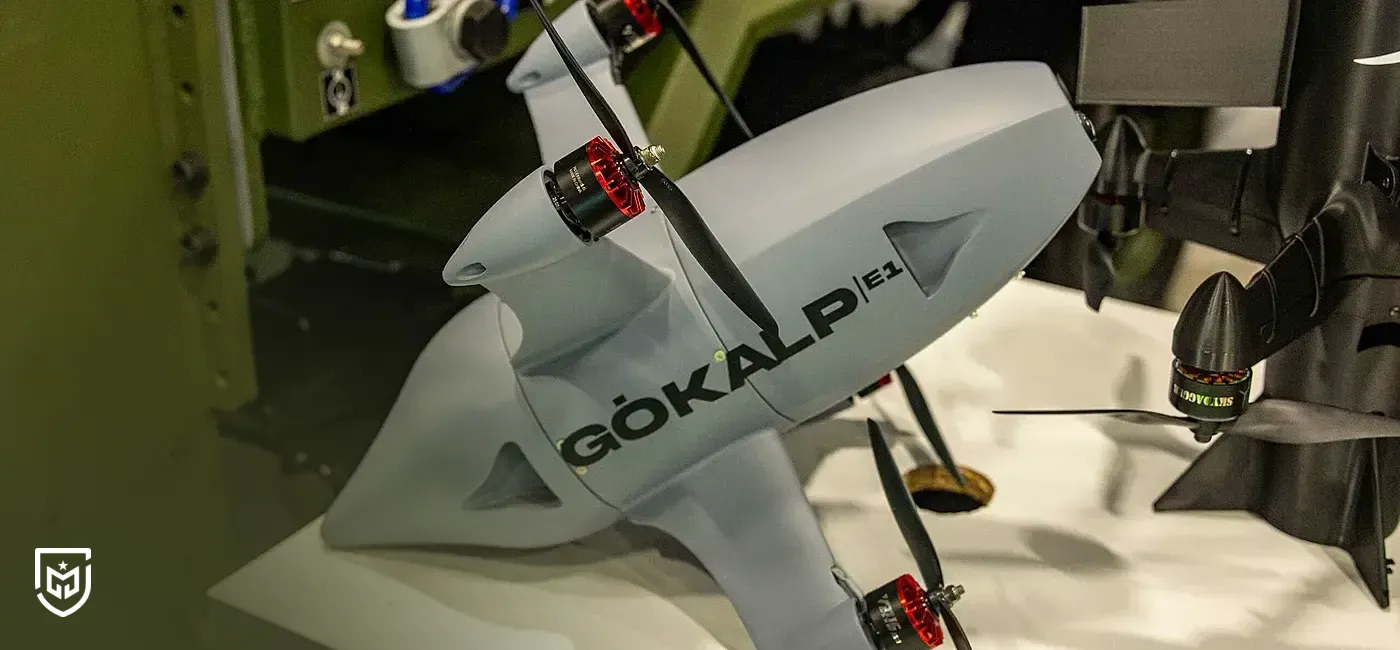
Kamikaze UAVs, also known as loitering munitions, have emerged as low-cost yet high-impact solutions on the modern battlefield. One of the most critical factors behind their effectiveness is the target selection process. These systems are not designed merely to strike a target, but to identify and neutralize the right target at the right time. For this reason, target selection plays a decisive role in achieving military superiority, operational success, and psychological dominance. In the initial phase, high-priority threat elements such as radar systems, air defense units, command centers, and armored vehicles are typically selected. Neutralizing these assets weakens the enemy’s defensive capabilities and paves the way for larger-scale operations.
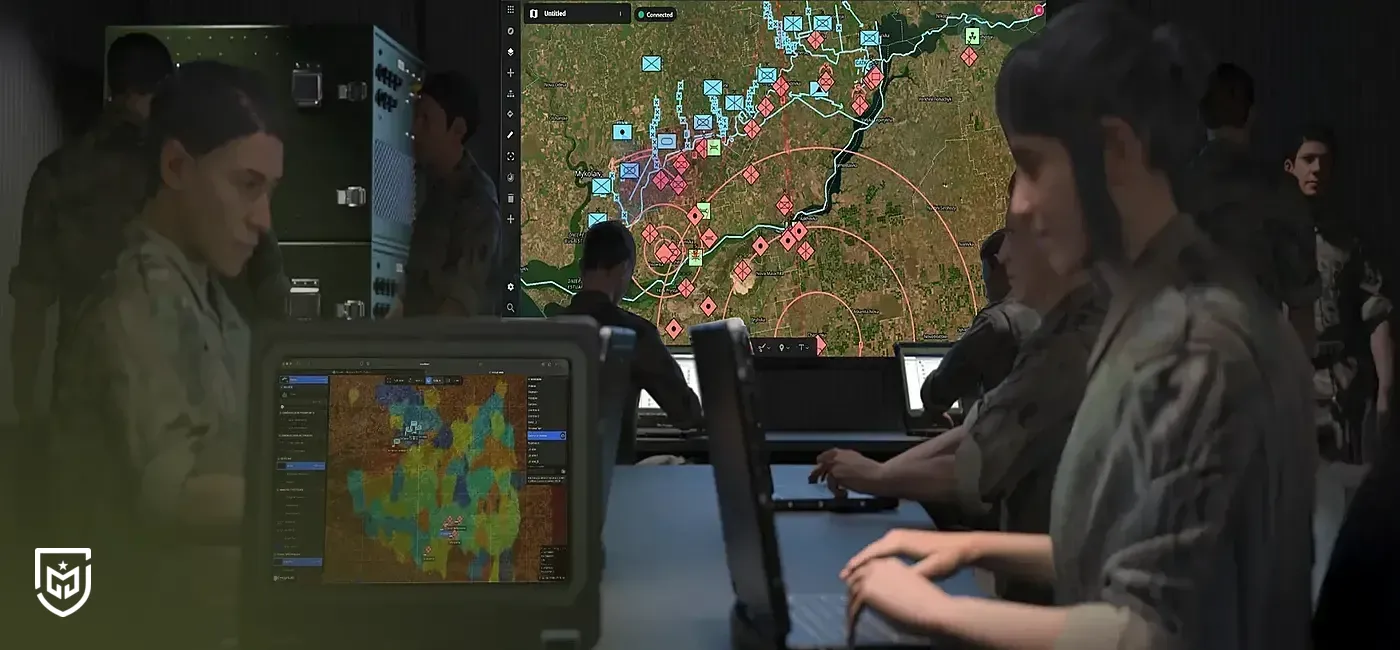
From a technical perspective, target selection in kamikaze UAVs is carried out through sensor fusion, real-time data analysis, and semi-autonomous or fully autonomous decision-making mechanisms. Electro-optical and infrared cameras analyze the target’s type, mobility, and surrounding conditions, while in operator-assisted systems, the final engagement decision remains under human control. In more advanced models, predefined target profiles enable automatic recognition and engagement. This capability is especially critical in electronic warfare environments, where communication links may be disrupted, allowing the UAV to complete its mission independently. Factors such as the military value of the target, proximity to civilian areas, and operational risk level are key criteria in the final strike decision. As a result, target selection in kamikaze UAVs goes far beyond a simple hit-and-run logic, representing a multi-layered process with strategic, ethical, and technological dimensions.


The cookies used on our website are used to provide you with a better user experience and to improve our website. You can manage your cookie preferences from the options below.



 Süheyla Yıldız