BREAKING NEWS
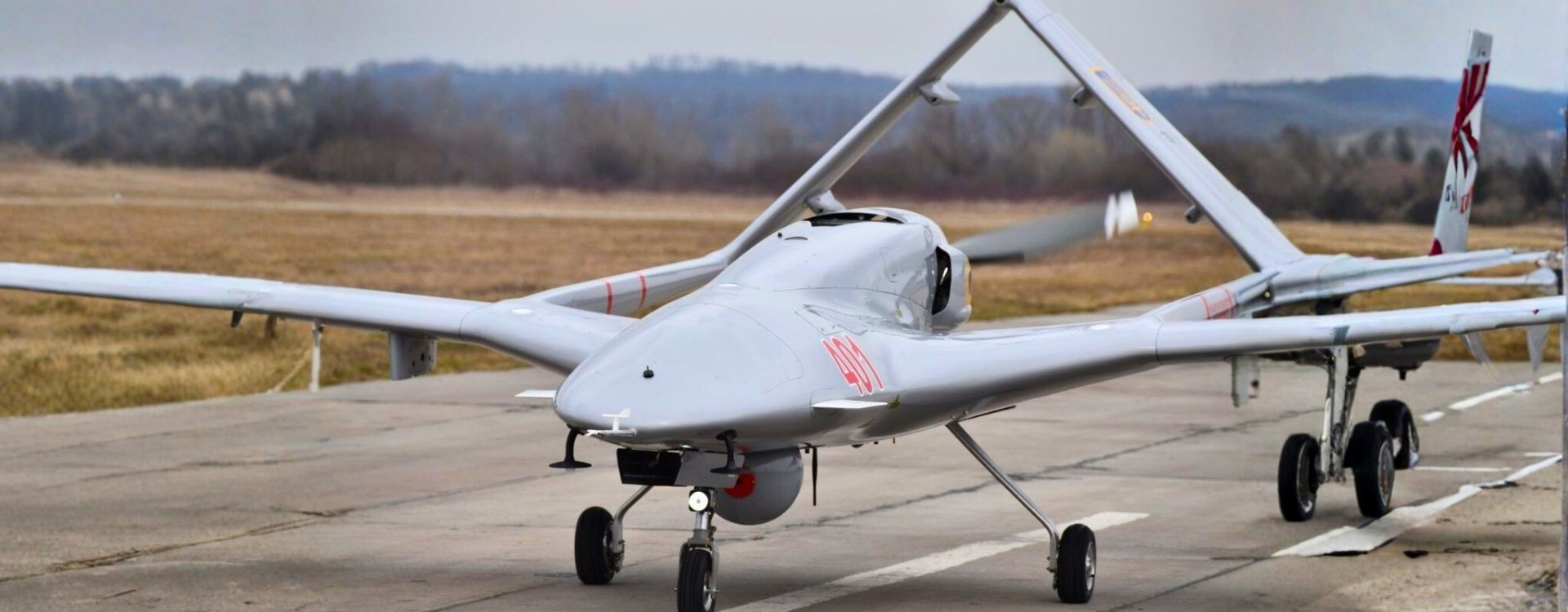
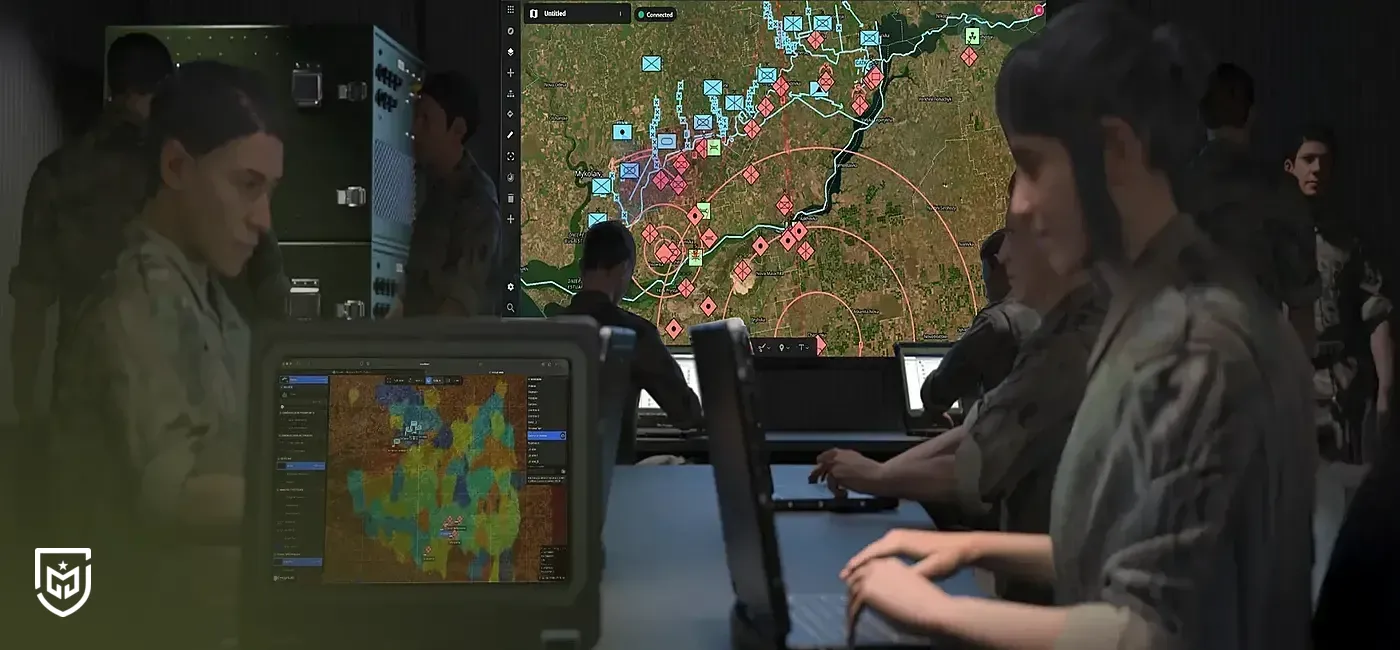
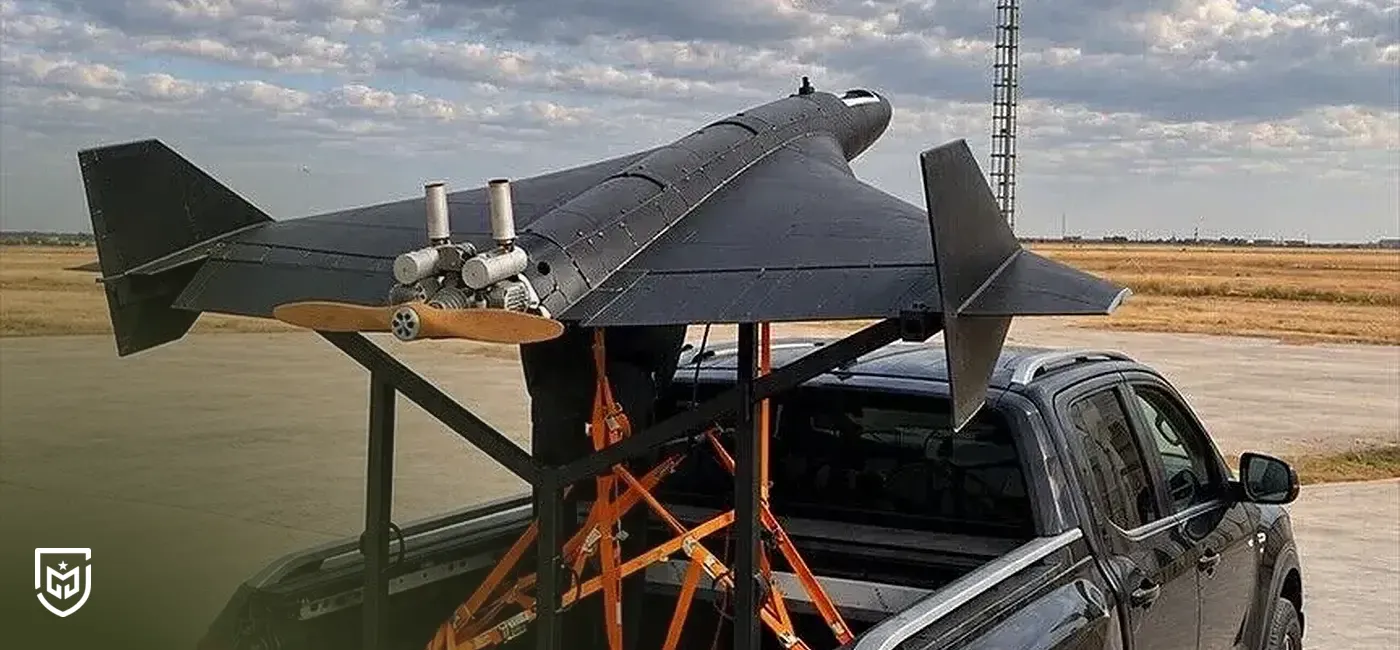
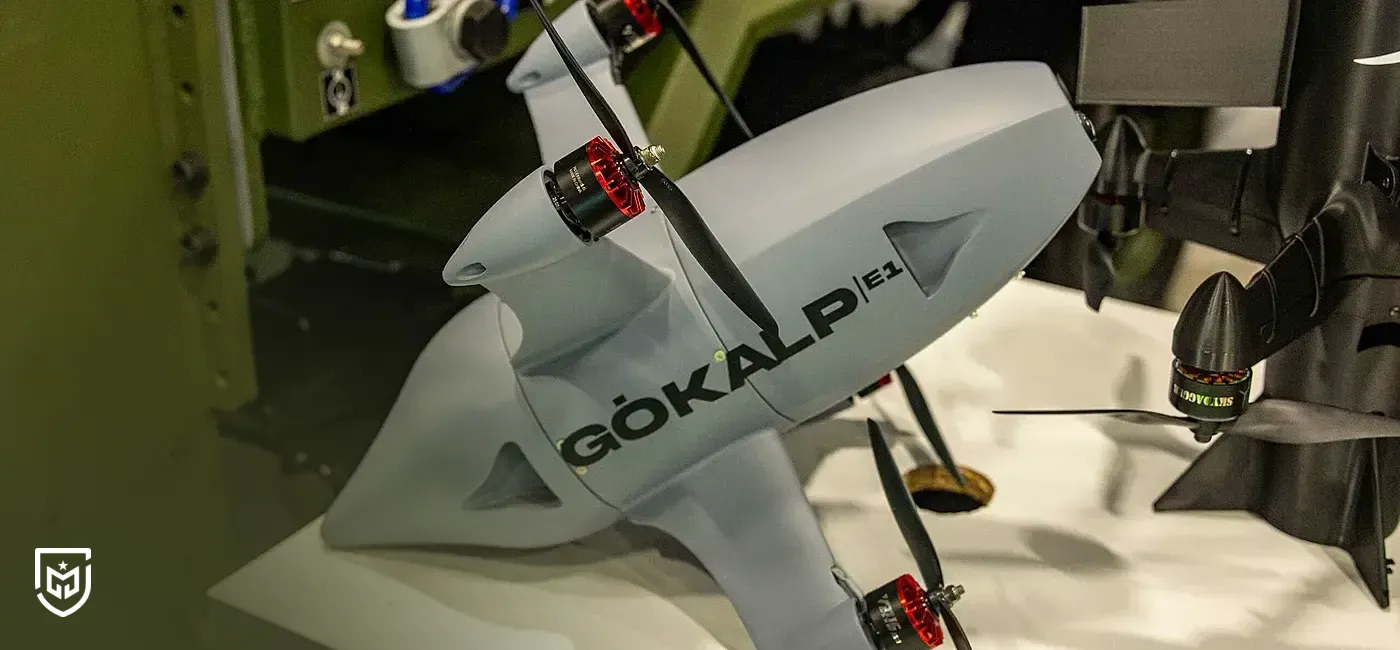
The target approval process in UCAVs (Unmanned Combat Aerial Vehicles) represents one of the most critical phases of modern warfare. This process is not merely a technical chain of actions; it is a multi-layered mechanism where intelligence, law, ethics, and operational discipline operate together. From initial target detection to the final engagement decision, every step is conducted under the principle of multiple verification to minimize the risk of error. Thanks to real-time data transmission, field conditions can be monitored instantly, while the nature of the target, its mobility, and surrounding environmental factors are carefully assessed to reduce the risk of harm to civilians or friendly forces. In this respect, UCAVs provide a more controlled and selective use of force compared to traditional air operations.
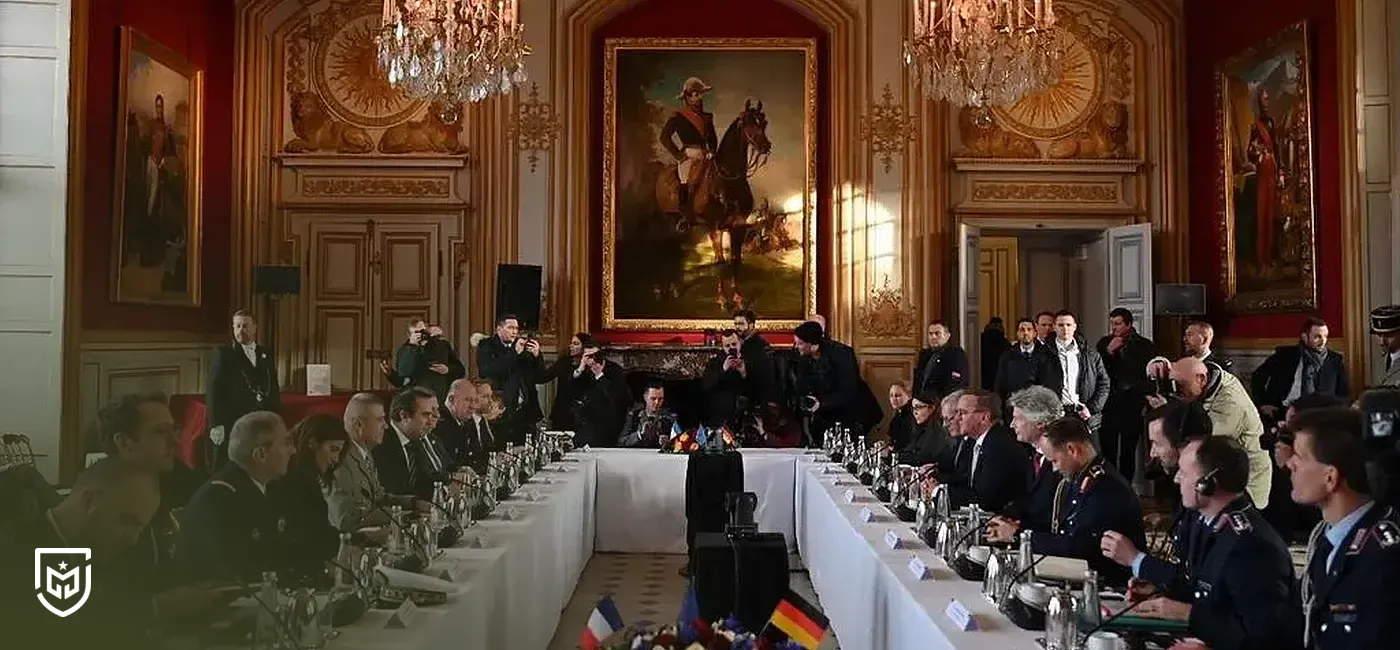
From a technical perspective, the target approval process progresses through sensor data analysis, operator evaluation, command-level authorization, and established rules of engagement. Visual data obtained from electro-optical and infrared cameras is reinforced with radar and signal intelligence to confirm the authenticity of the target. The operator then evaluates the military value and threat level of the target and forwards this assessment to higher command centers. Final authorization is granted by considering the legal and strategic dimensions of the operation. Historically, this multi-layered structure became a standard practice with the evolution of remote warfare concepts in the early 21st century. Ultimately, the target approval process in UCAVs is not only a symbol of technological superiority but also a concrete reflection of responsible use of military power.


The cookies used on our website are used to provide you with a better user experience and to improve our website. You can manage your cookie preferences from the options below.


 Süheyla Yıldız