BREAKING NEWS
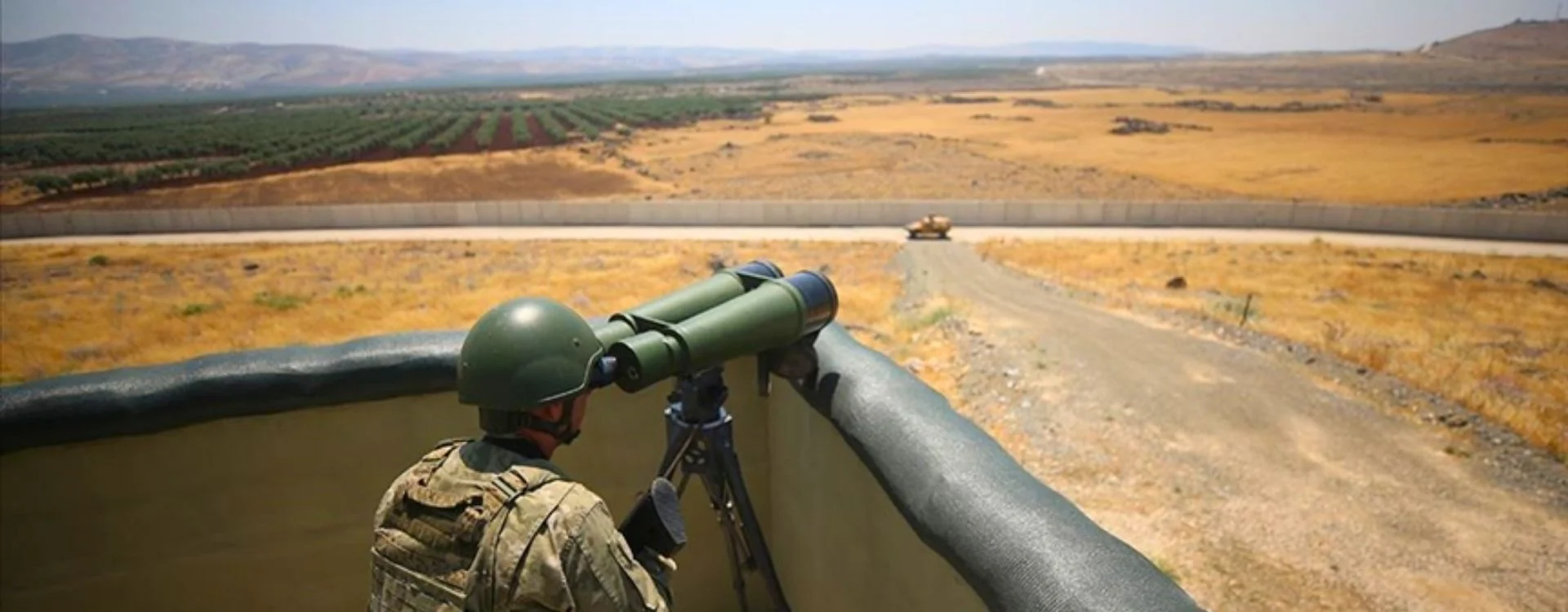
The Syria safe zone strategy represents a multi-layered security approach adopted by Turkey, particularly after 2016, to keep the effects of the Syrian civil war outside its borders, reduce terrorist threats, and create conditions for the safe return of millions of displaced Syrians. The strategy is built on establishing a “secure corridor” along Turkey’s southern border at a designated depth, aiming to prevent rocket attacks, infiltration attempts, and terrorism targeting border provinces. Through operations such as Euphrates Shield, Olive Branch, and Peace Spring, Turkey created de facto safe areas in northern Syria and initiated steps to provide local security, municipal services, education, and healthcare infrastructure. Thus, the concept of a safe zone has become a central theme combining Turkey’s national security concerns with humanitarian considerations for displaced Syrians.
From a technical standpoint, Turkey has announced a plan to establish a safe zone spanning approximately 460 km of its border with Syria, extending about 30 km deep. This area is envisioned as being cleared of terrorist organizations, heavy weapons, and threats, while progressively becoming suitable for civilian settlement. The region controlled through the Peace Spring Operation—particularly the Tel Abyad and Ras al-Ayn corridor—serves as a “pilot safe zone,” supporting border security and enabling the return of a limited number of Syrians. Turkey’s broader vision includes developing housing, infrastructure, and economic initiatives in these areas to enable the voluntary return of 1–2 million Syrian refugees. However, the plan has also sparked international debate regarding demographic changes, local community rights, and the long-term political implications of such restructuring. As a result, Turkey’s safe zone strategy has evolved into a complex doctrine involving military operations, diplomacy, international law, humanitarian assistance, reconstruction, and migration management—shaped through negotiations with major actors such as the United States, Russia, and regional stakeholders.


The cookies used on our website are used to provide you with a better user experience and to improve our website. You can manage your cookie preferences from the options below.


 Rabia Kılıç