BREAKING NEWS
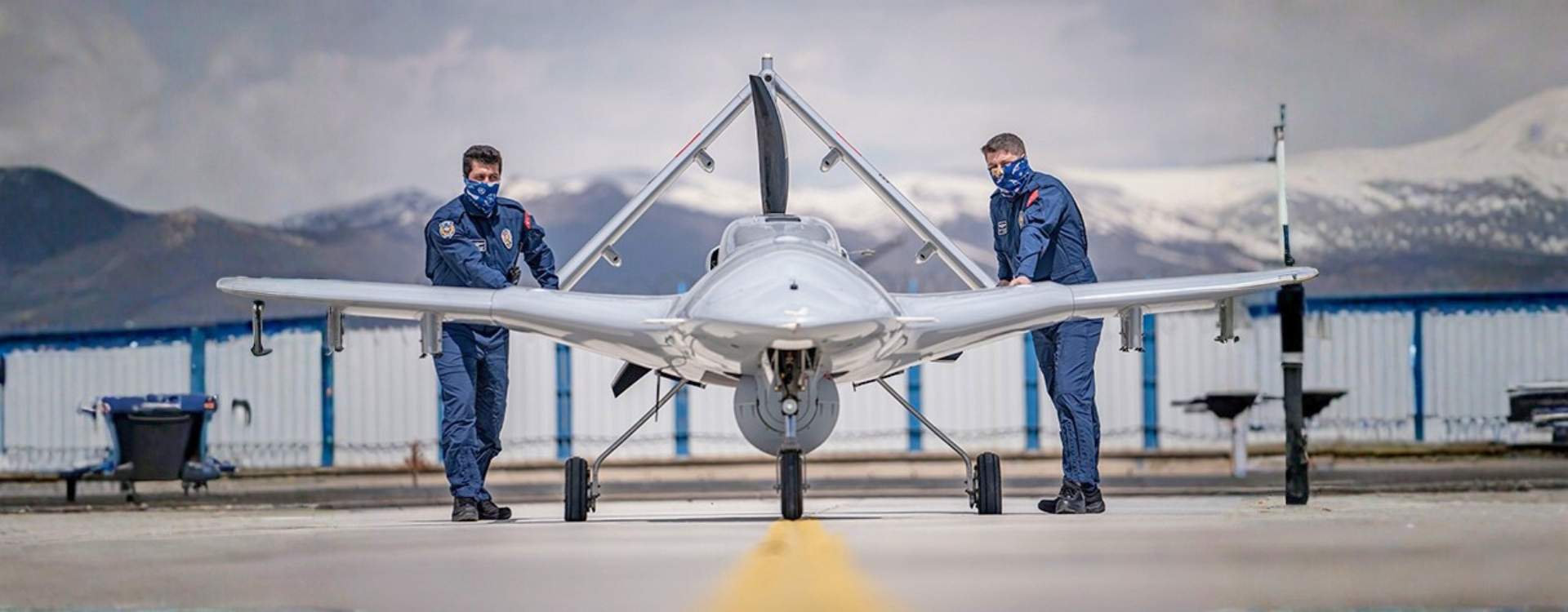
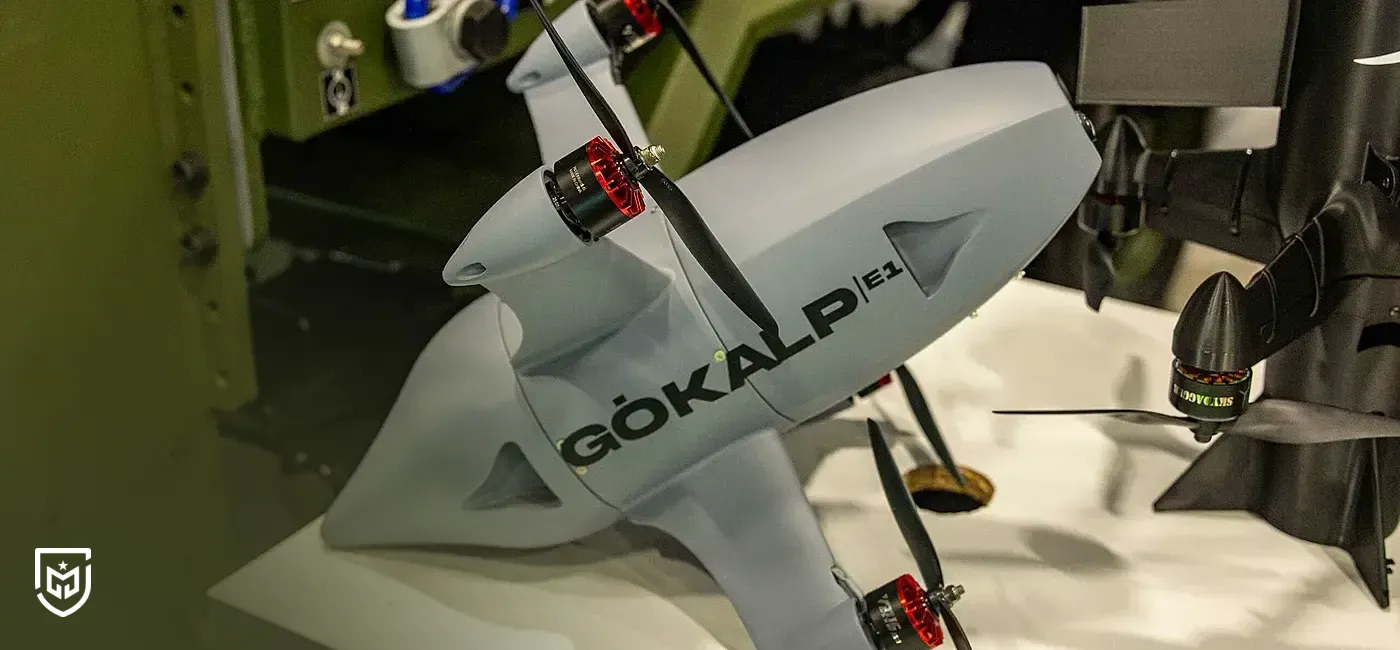
As unmanned aerial vehicles become indispensable elements of modern military and civilian operations, silent flight technologies stand out as a critical factor that directly determines mission effectiveness. Especially in reconnaissance, intelligence, and surveillance missions, a low acoustic signature allows UAVs to complete tasks without being detected. Silent flight is not only vital for military use but also plays a key role in sensitive civilian applications such as border security, environmental monitoring, and urban operations, where privacy, safety, and operational success are essential.
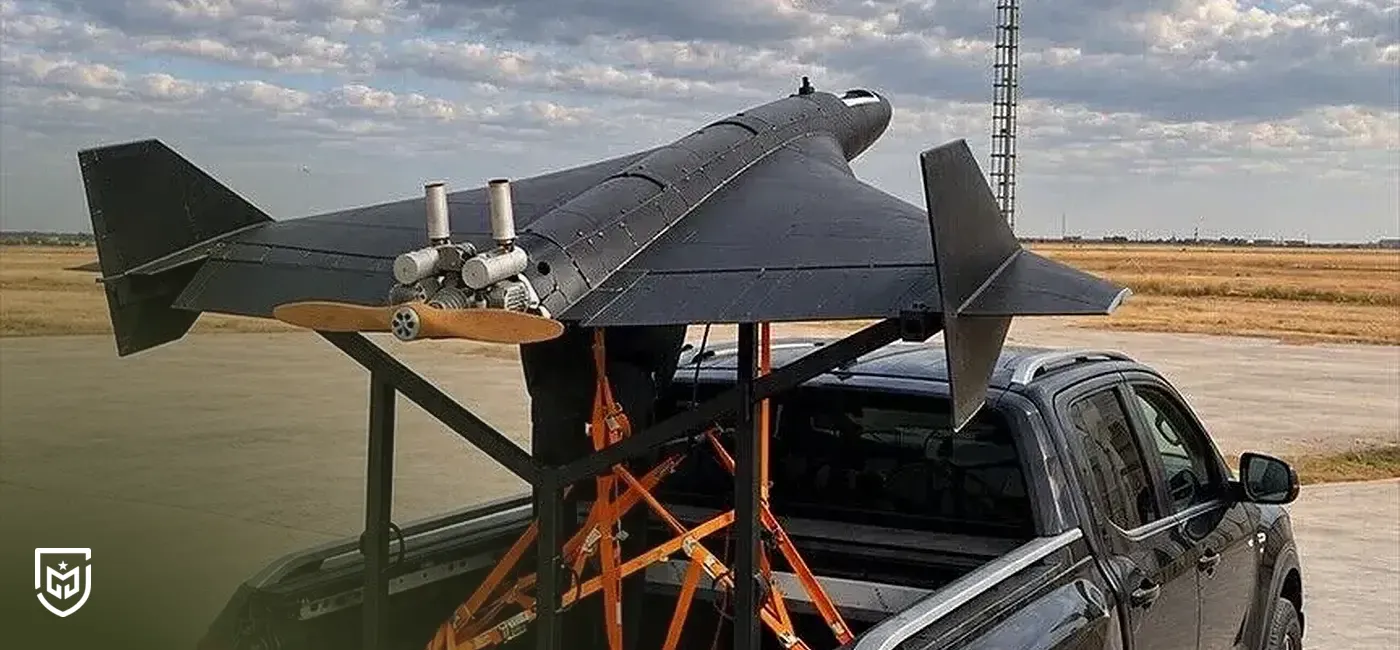
From a technical perspective, silent flight technologies rely on special propeller geometries, vibration-reducing composite airframe materials, advanced electric propulsion systems, and aerodynamically optimized wing designs. Since most noise originates from propeller tips, low-RPM yet high-efficiency propeller systems are preferred. In addition, motor and cooling integration is designed to minimize airflow disruption, reducing both thermal and acoustic signatures. Today, these technologies are combined with radar and visual signature reduction solutions, making UAVs nearly “invisible” and providing a decisive strategic advantage in modern airspace operations.


The cookies used on our website are used to provide you with a better user experience and to improve our website. You can manage your cookie preferences from the options below.




 Süheyla Yıldız