BREAKING NEWS
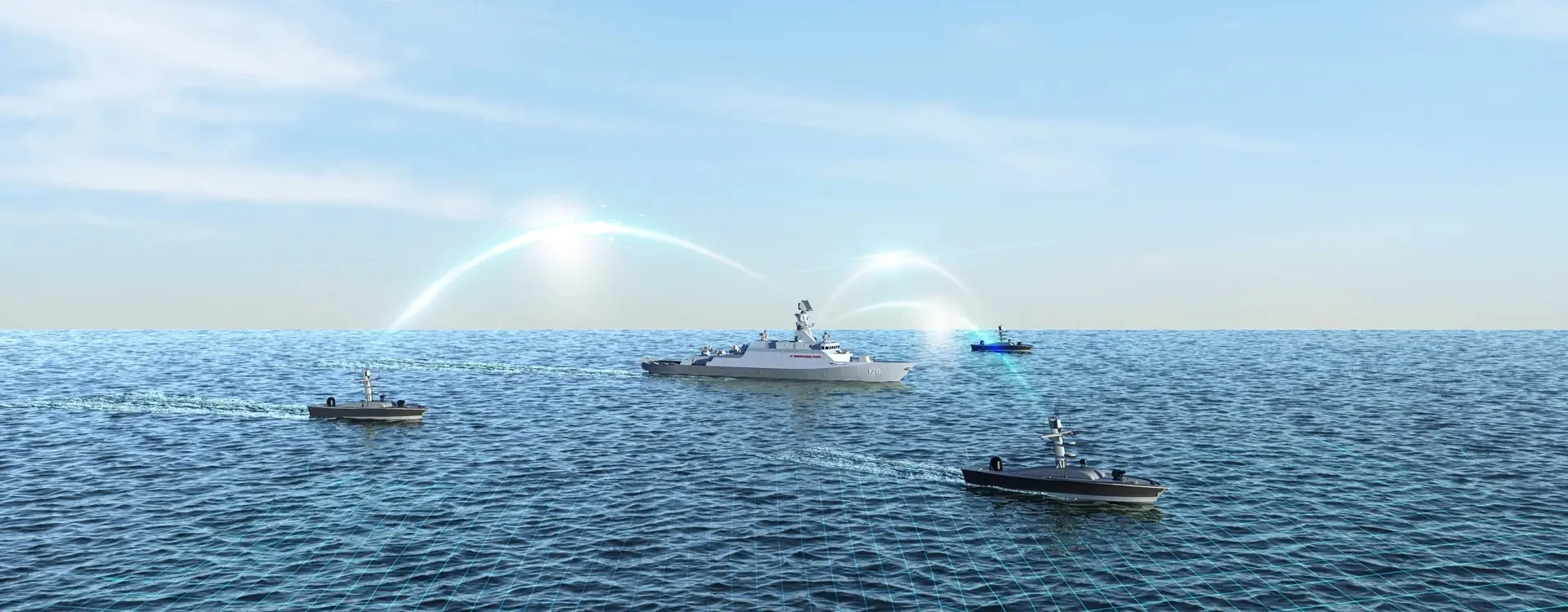
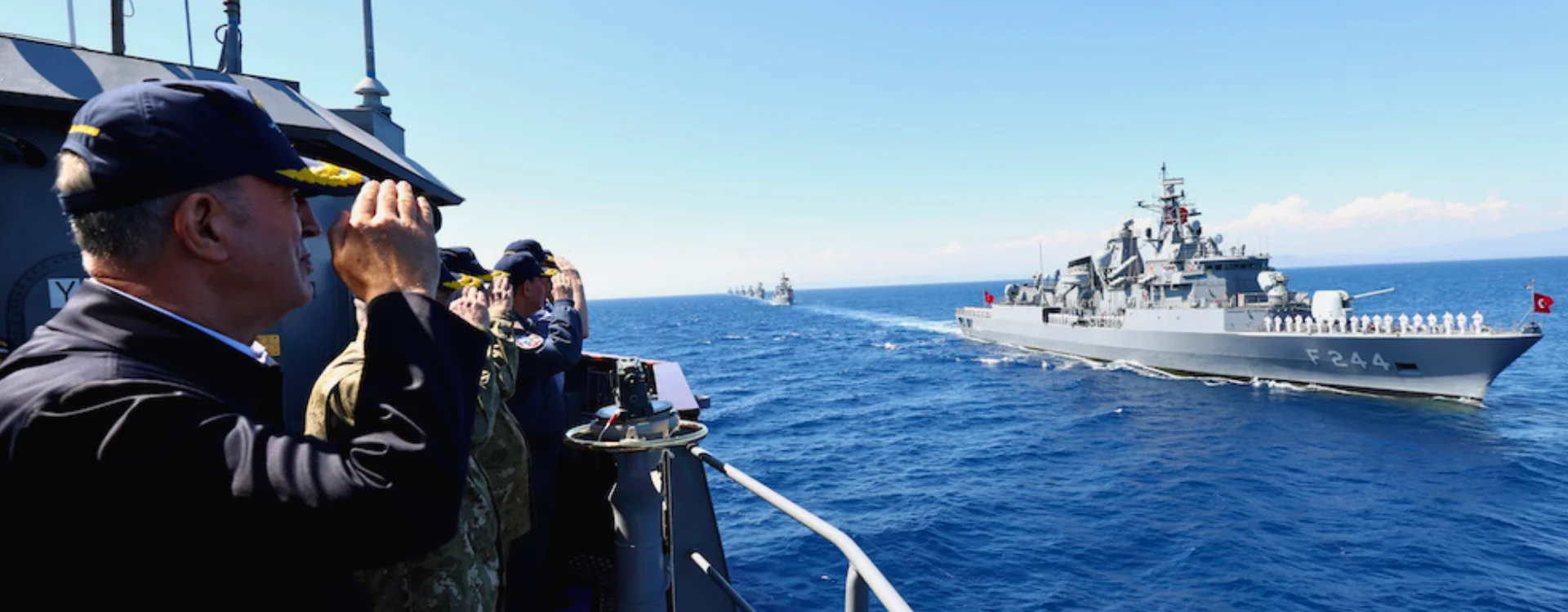
Naval warfare has become one of the domains where technology is used most intensively. Today, the sensor network in naval warfare provides an indispensable structure for early threat detection, real-time situational awareness, and accurate decision-making processes.
Through radars, sonars, electro-optical systems, and satellite-supported sensors, the sea surface, underwater domain, and airspace can be monitored simultaneously. This capability allows commanders not only to detect the enemy but also to comprehensively understand the operational environment. For modern naval forces, sensor networks are regarded as a strategic force multiplier that comes even before weapon systems.
From a technical perspective, a sensor network in naval warfare consists of active and passive sonars, long-range naval radars, electro-optical/infrared cameras, sensors deployed on unmanned surface and aerial vehicles, and satellite-based surveillance systems.
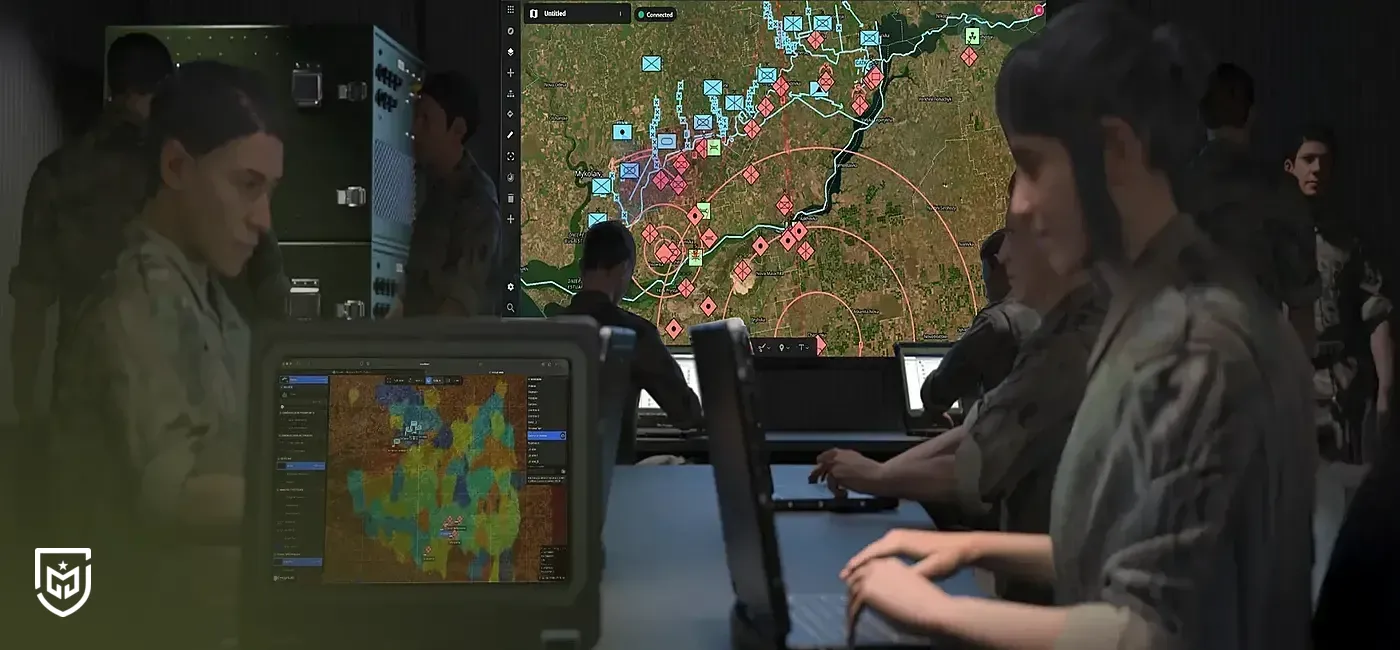
These sensors are integrated under a single command-and-control architecture through a network-centric warfare approach. As a result, target data detected by one platform can be instantly shared with other ships, submarines, or air assets. Real-time data fusion reduces false alarm rates while enabling faster and more precise responses to threats. Historically, superiority in detection has often determined the outcome of naval battles; today, sensor networks have become the most critical element that sustains this advantage.


The cookies used on our website are used to provide you with a better user experience and to improve our website. You can manage your cookie preferences from the options below.





 Süheyla Yıldız