BREAKING NEWS
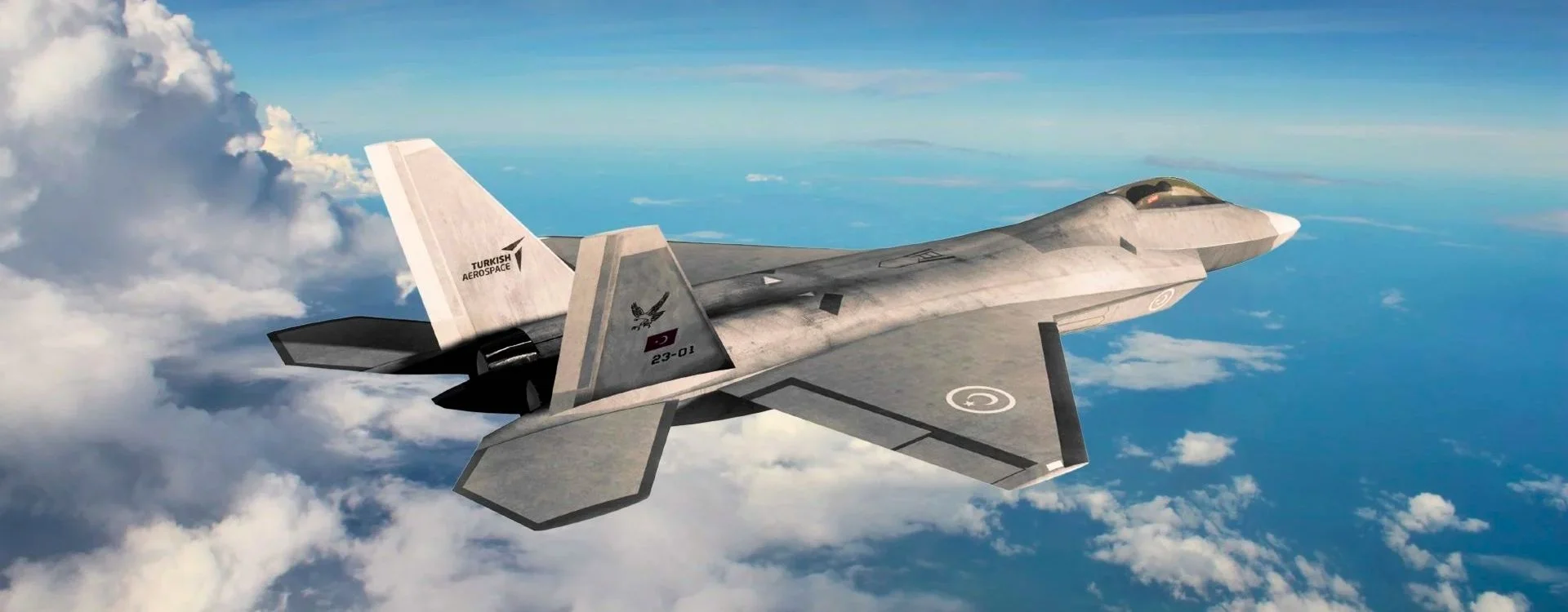
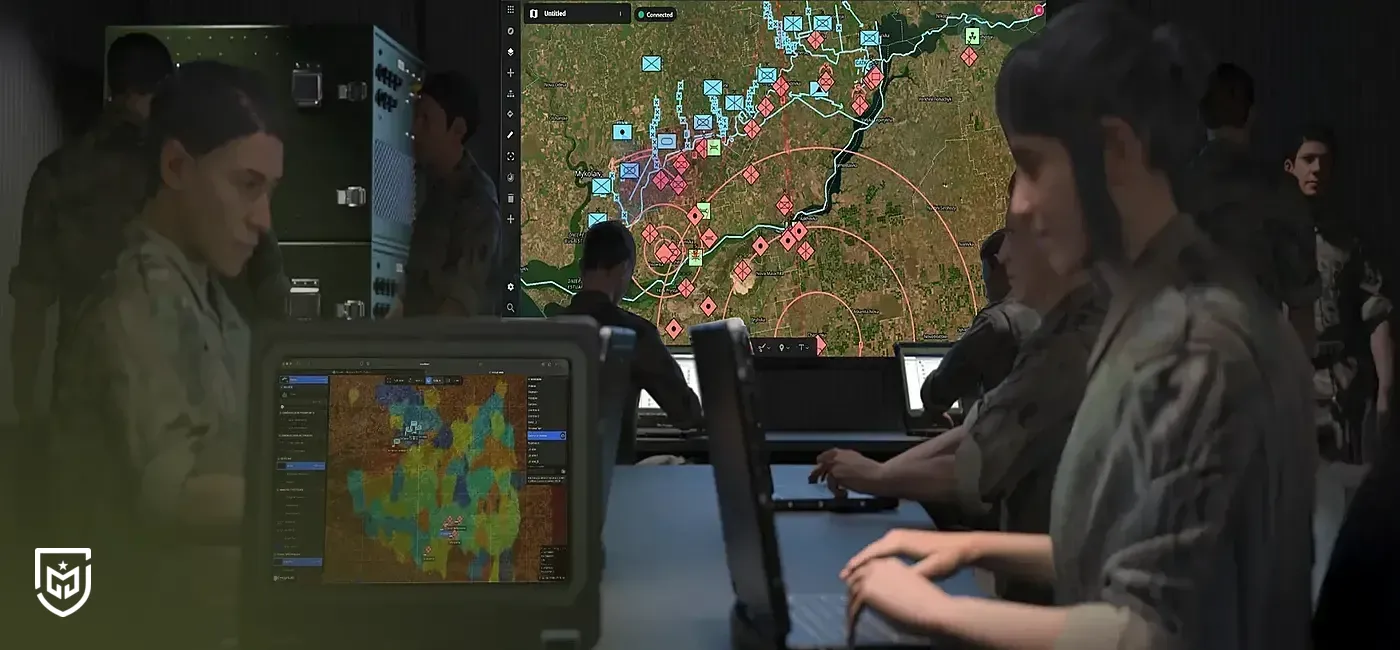
Sensor fusion is a critical decision-support technology in modern defense and security systems, enabling data from multiple sensors to be combined into a single, coherent, and meaningful operational picture. Today’s battlefield relies simultaneously on radars, electro-optical cameras, infrared sensors, acoustic detectors, and satellite systems, all of which generate vast amounts of data in real time. Evaluating these data streams independently can lead to delays and misinterpretation of threats. Sensor fusion integrates this dispersed information to create a clearer and more reliable situational awareness, allowing commanders or autonomous systems to make faster and more accurate decisions. While it may initially appear to be a technical data-processing method, sensor fusion directly translates into operational superiority on the battlefield.
From a technical standpoint, sensor fusion can be implemented at data level, feature level, and decision level, depending on system requirements. For example, combining radar data with infrared imagery enables more precise identification of both a target’s location and type. Through multi-sensor fusion, systems can compensate for errors or deceptive inputs from a single sensor by cross-validating information with others, thereby significantly reducing false alarm rates. Sensor fusion plays a vital role in unmanned aerial vehicles, air defense systems, and autonomous land and naval platforms, where real-time adaptability to dynamic threat environments is essential. When enhanced with artificial intelligence and machine learning, next-generation sensor fusion algorithms not only analyze current conditions but also predict future scenarios and continuously improve performance. In this context, sensor fusion is widely regarded as a game-changing force multiplier within the information-centric structure of modern


The cookies used on our website are used to provide you with a better user experience and to improve our website. You can manage your cookie preferences from the options below.


 Rabia Kılıç