BREAKING NEWS
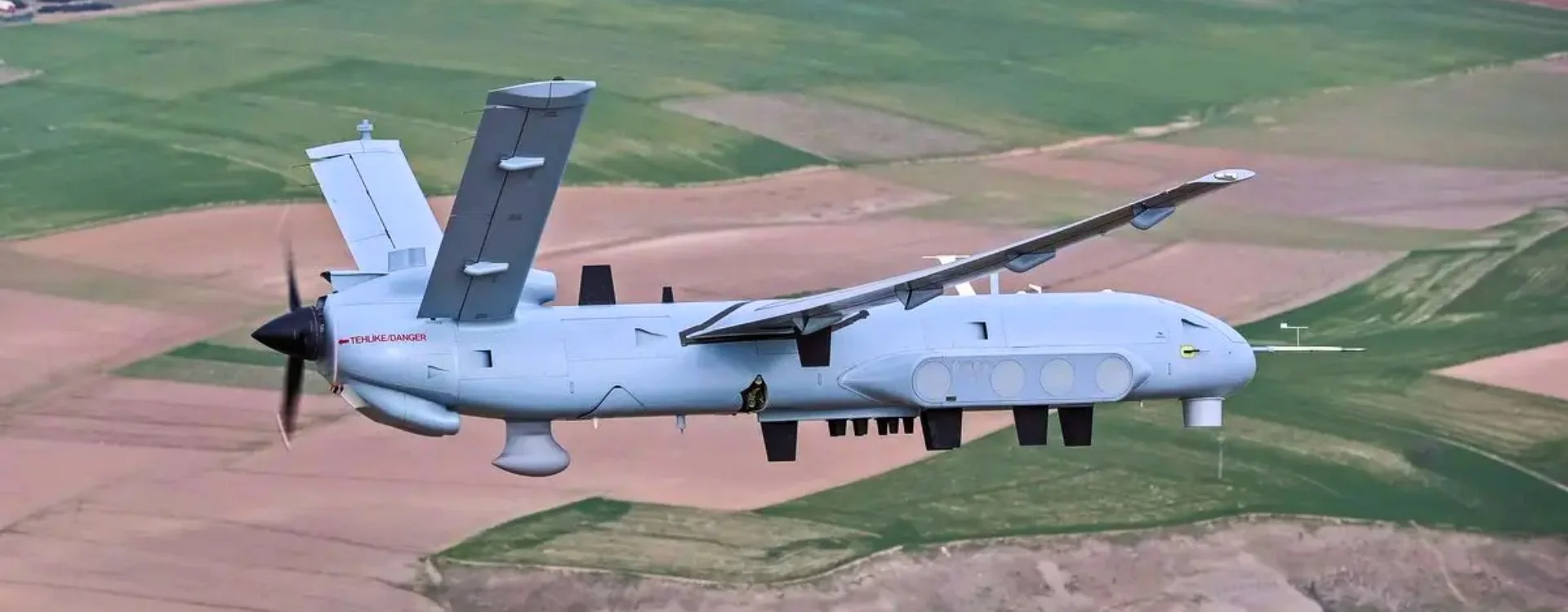
Satellite-controlled UAV operations refer to the management of unmanned aerial vehicles through satellite communication (SATCOM) links rather than direct line-of-sight control. This capability enables UAVs to operate far beyond visual and terrestrial communication limits, allowing missions to be conducted thousands of kilometers away from the ground control station. Through satellite links, real-time sensor data, imagery, and telemetry are transmitted securely to operators, while command inputs are relayed back to the platform without interruption. This operational concept provides a decisive advantage in border-crossing missions, wide-area surveillance, intelligence gathering, and precision strike operations, making it a cornerstone of modern military doctrine.
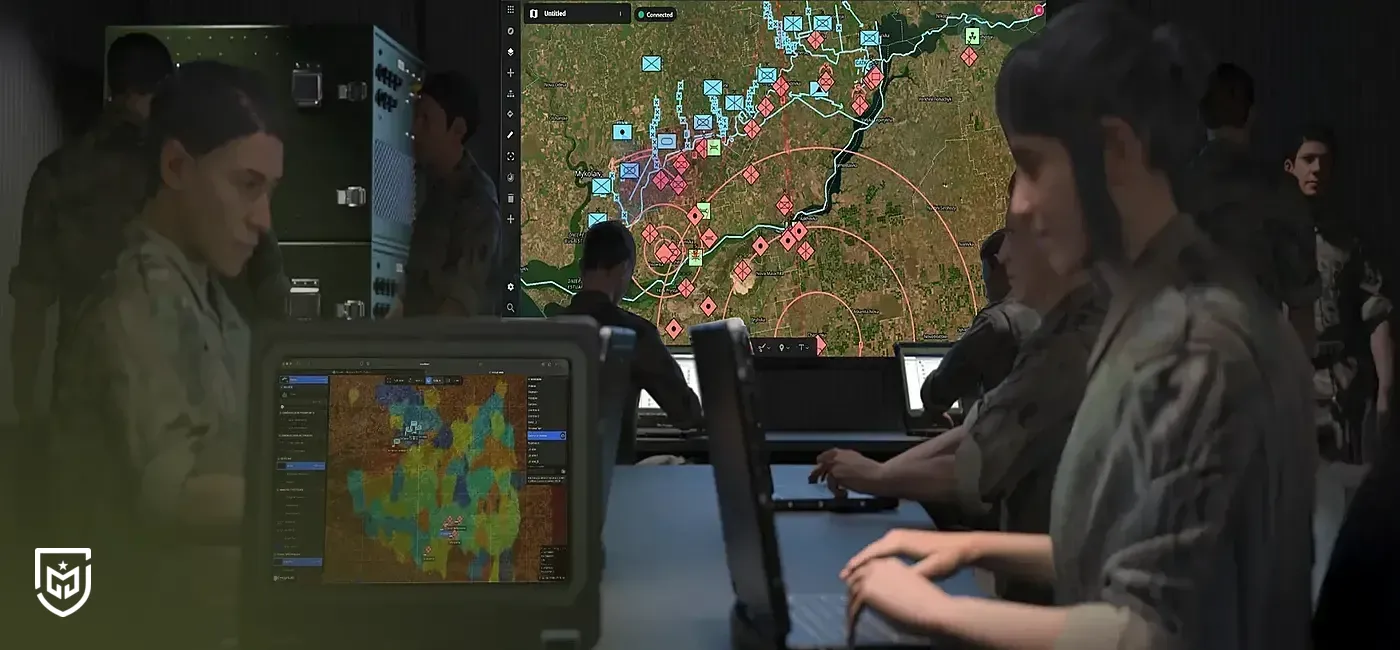
From a technical standpoint, satellite-controlled UAV operations rely on satellite terminals, encrypted data links, ground control stations, and network-centric command-and-control infrastructures. SATCOM integration ensures continuous control even during long-endurance missions and dynamic tasking across vast operational theaters. Advanced sensor fusion allows electro-optical, infrared, and signals intelligence data to be processed simultaneously, enhancing situational awareness and decision-making. Latency management, electronic warfare resilience, and data security are critical factors that determine mission success. As a result, satellite-controlled UAVs are no longer limited reconnaissance assets, but rather globally effective, flexible, and persistent force multipliers that redefine the concept of air power in contemporary operations.


The cookies used on our website are used to provide you with a better user experience and to improve our website. You can manage your cookie preferences from the options below.



 Rabia Kılıç