BREAKING NEWS
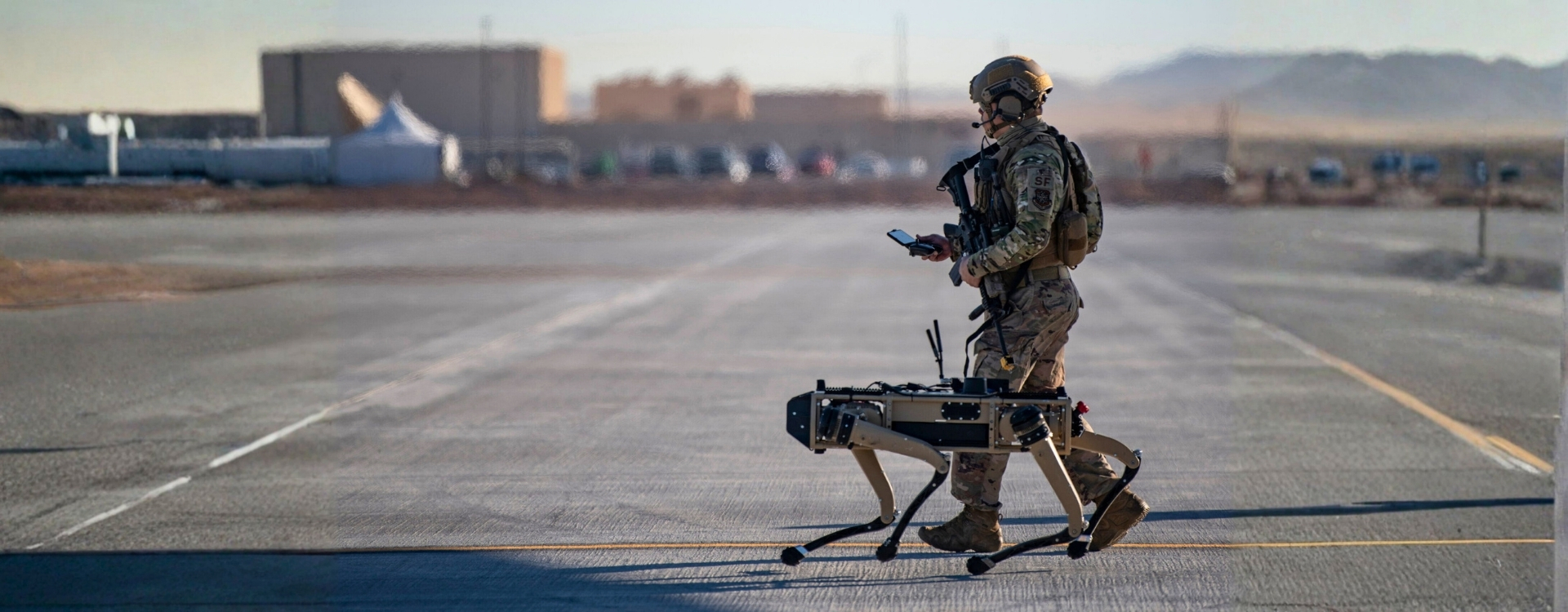
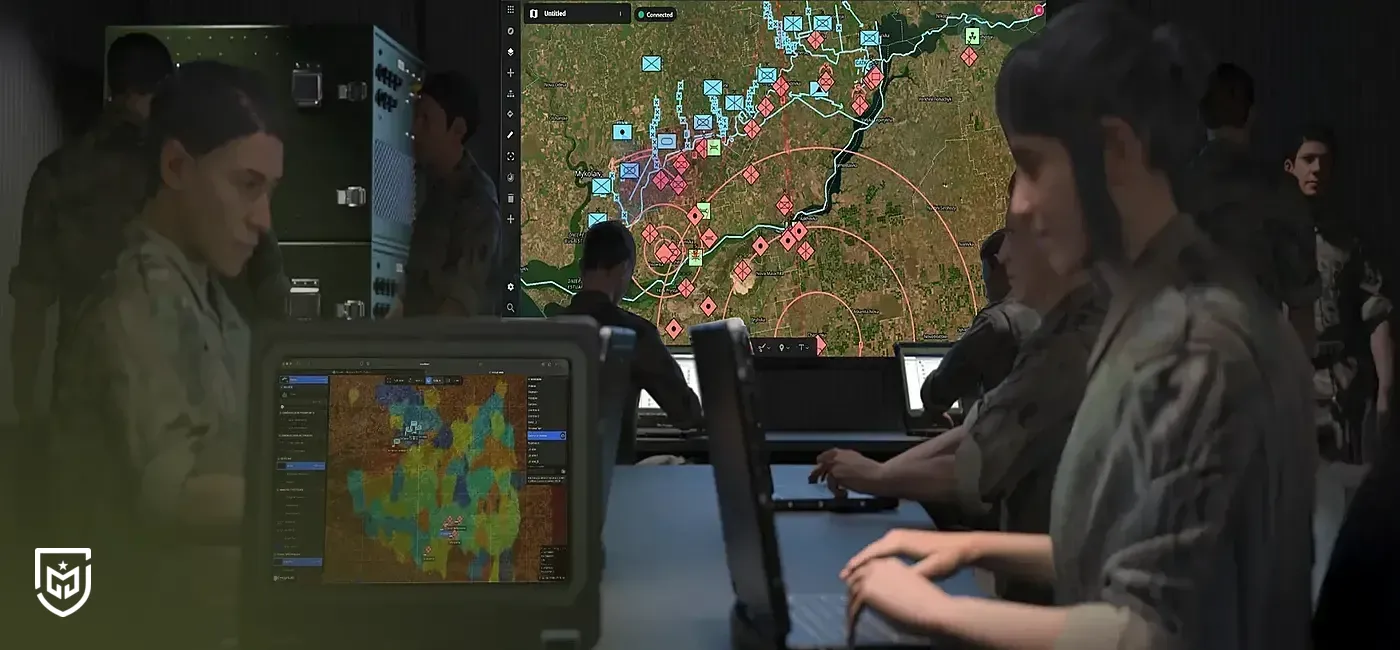
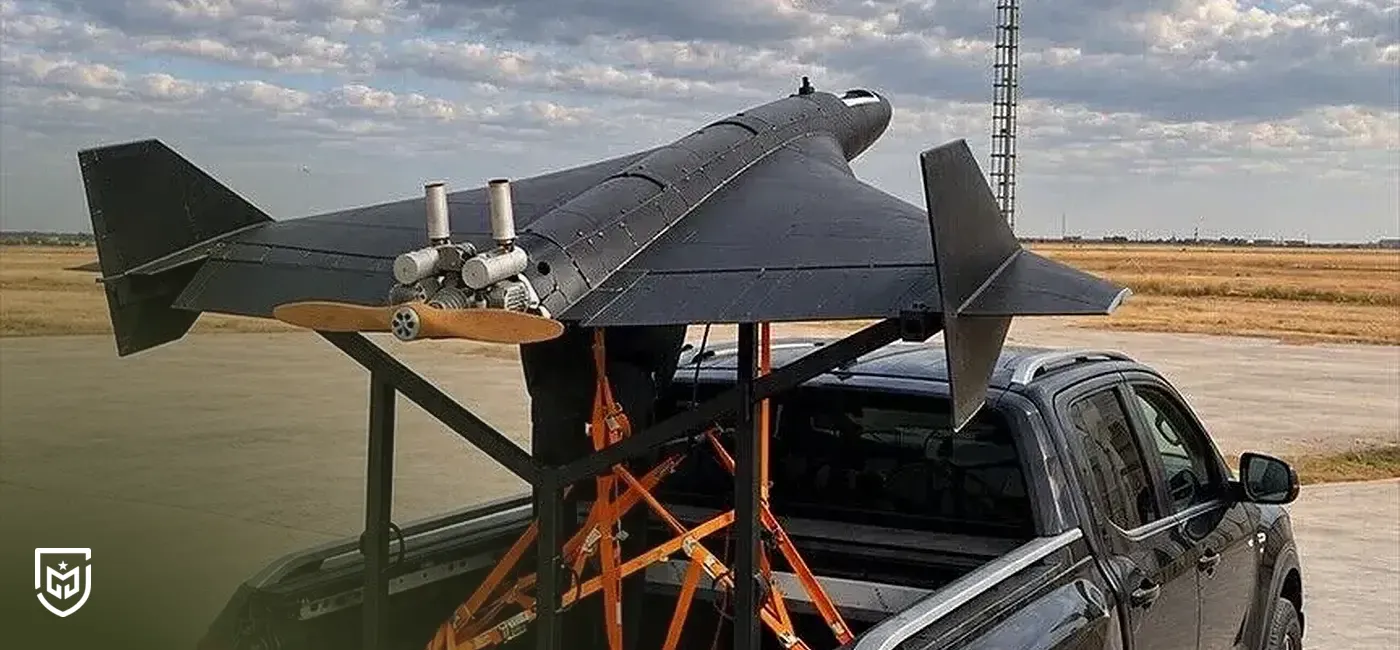
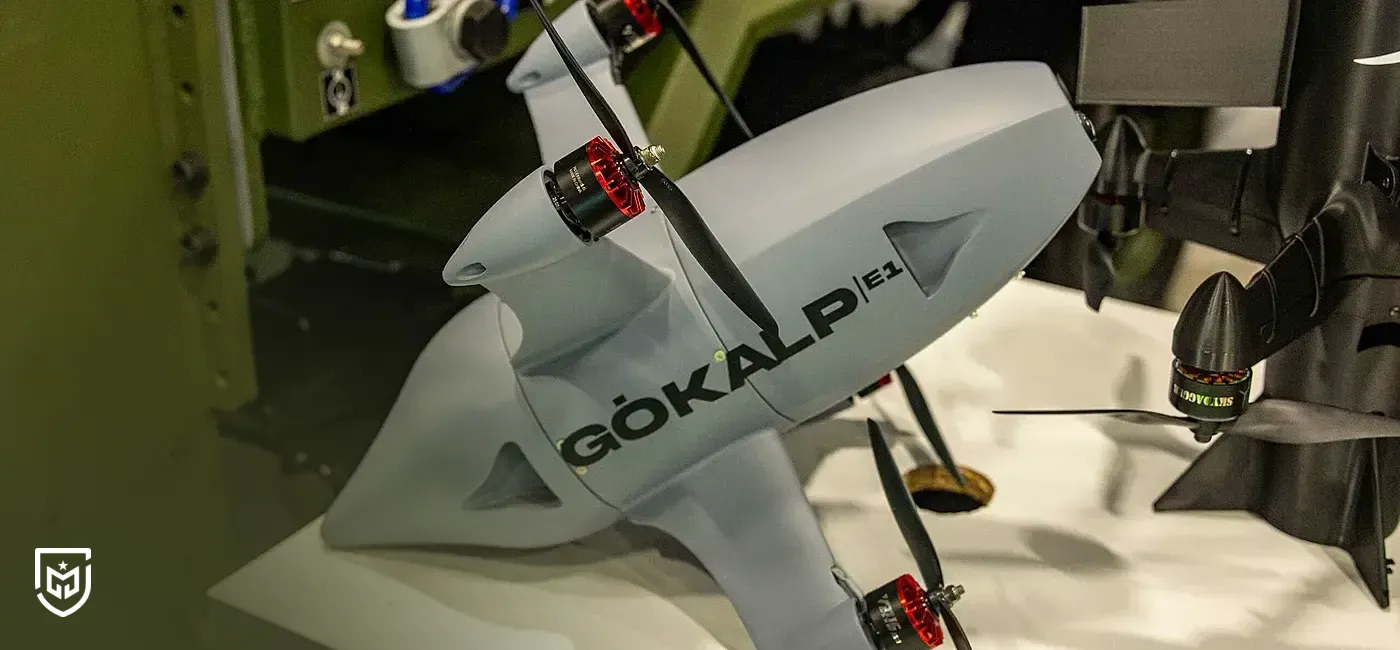
Military artificial intelligence represents speed, analytical power, and operational superiority for modern armed forces; however, it also brings serious risks. Autonomous systems capable of making decisions without direct human control have become the focal point of ethical, legal, and security debates, as they can identify and engage targets independently. AI systems trained on flawed data or exposed to unforeseen scenarios may produce critical errors with irreversible consequences. Such failures increase the risk of civilian casualties, friendly-fire incidents, and uncontrolled escalation of conflicts. What initially appears as a strategic advantage can quickly transform into a global security threat if sufficient oversight and transparency are not ensured.
From a more technical perspective, military AI risks include algorithmic bias, vulnerability to cyberattacks, erosion of the command chain, and unclear accountability. AI-powered weapon systems rely heavily on data streams that may be manipulated by adversaries, potentially leading to system hijacking or deceptive targeting. Moreover, transferring decision-making authority to machines raises a fundamental question: who is responsible when an error occurs? Historically, unchecked advances in military technology have often intensified crises; artificial intelligence accelerates this process, making it faster and more unpredictable than ever before. For this reason, maintaining human oversight, strengthening international regulations, and establishing a clear ethical framework are essential for the responsible use of military artificial intelligence.


The cookies used on our website are used to provide you with a better user experience and to improve our website. You can manage your cookie preferences from the options below.



 Süheyla Yıldız