BREAKING NEWS
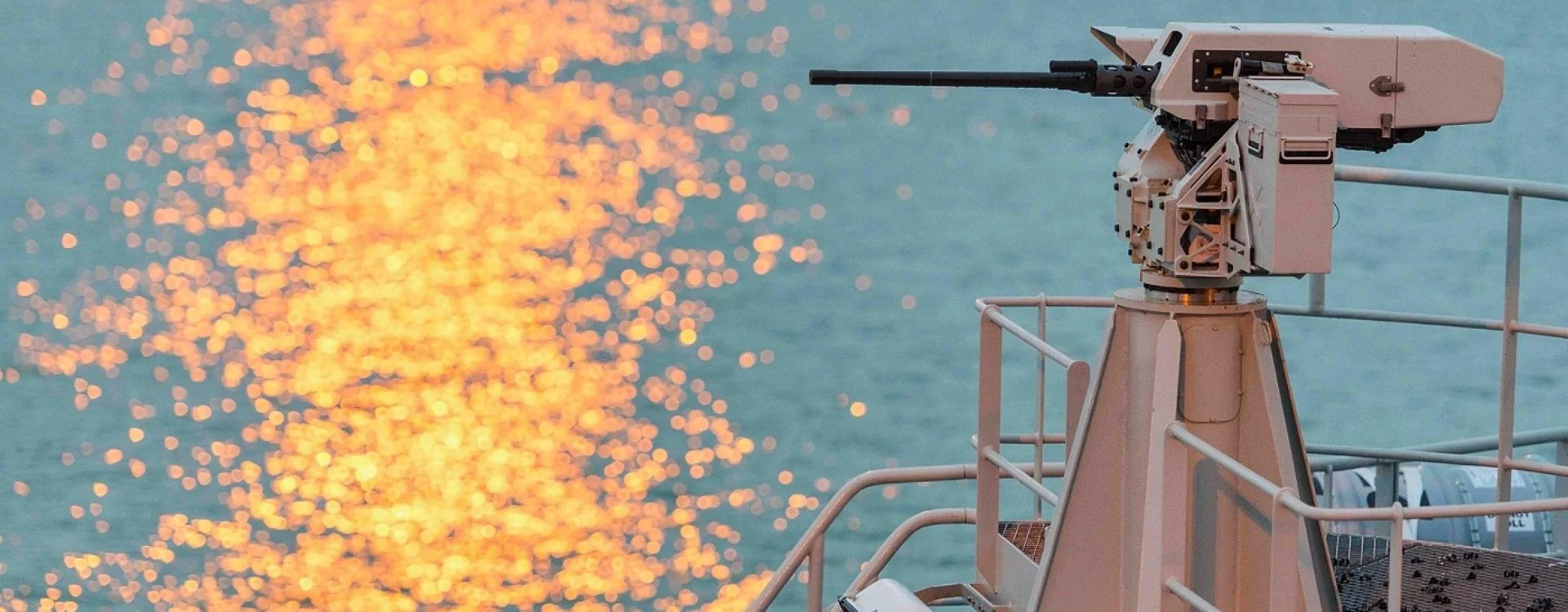
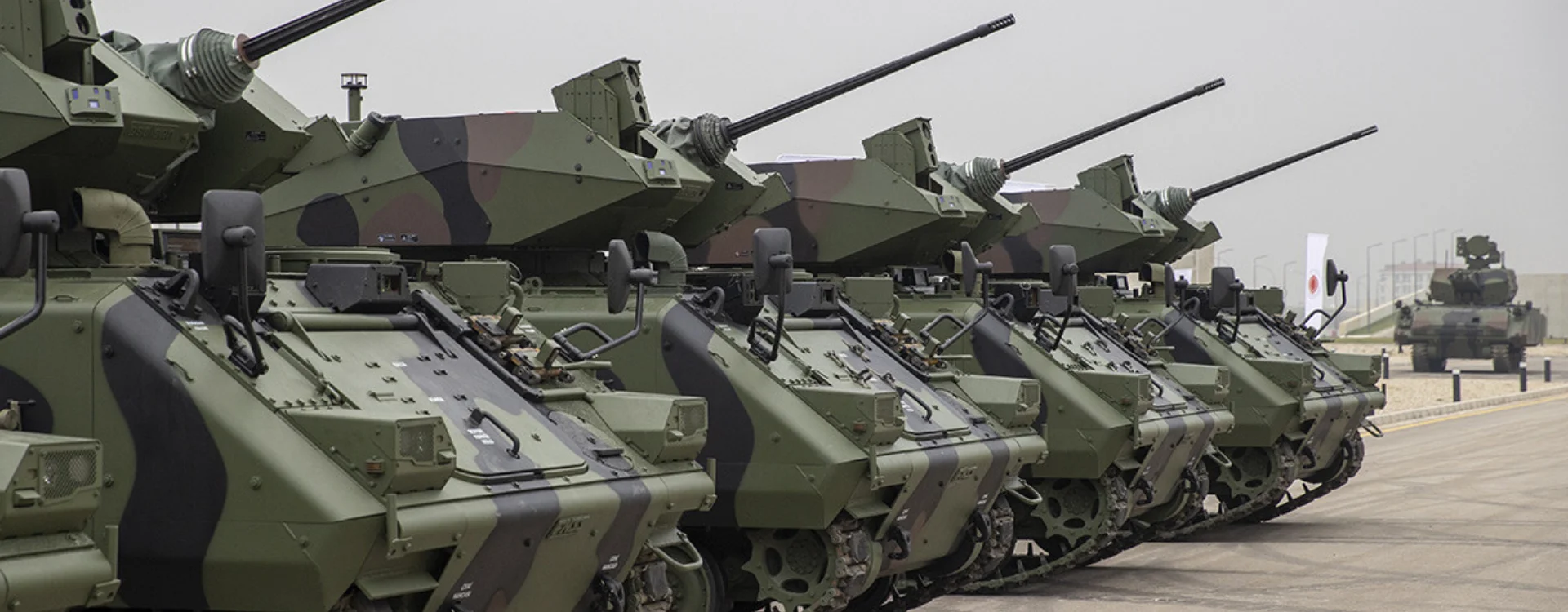
Remote controlled weapon stations are among the critical defense technologies that enhance personnel safety and operational effectiveness in modern armed forces. These systems allow weapons to be operated from inside armored vehicles or protected command centers without requiring soldiers to be physically exposed. As a result, military personnel can carry out missions while remaining shielded from direct enemy fire. Equipped with advanced optical systems, high-precision targeting capabilities, and stabilization technologies, remote controlled weapon stations deliver exceptional accuracy and rapid response times in land, naval, and border security operations. Compared to traditional manned turrets, these systems have become indispensable components of the contemporary battlefield.
From a technical perspective, remote controlled weapon stations are integrated with electro-optical cameras, thermal imaging sensors, laser rangefinders, and digital fire control software. This infrastructure enables effective operation during both day and night, regardless of weather conditions. The systems can be configured with machine guns, automatic cannons, or anti-tank weapons and can be easily adapted to various platforms. Widely used on armored vehicles, naval platforms, and fixed base defenses, these stations reduce human error while significantly increasing mission success rates. Today, remote controlled weapon stations are not merely defensive assets but are regarded as strategic force multipliers developed to counter asymmetric threats.


The cookies used on our website are used to provide you with a better user experience and to improve our website. You can manage your cookie preferences from the options below.



 Rabia Kılıç