BREAKING NEWS
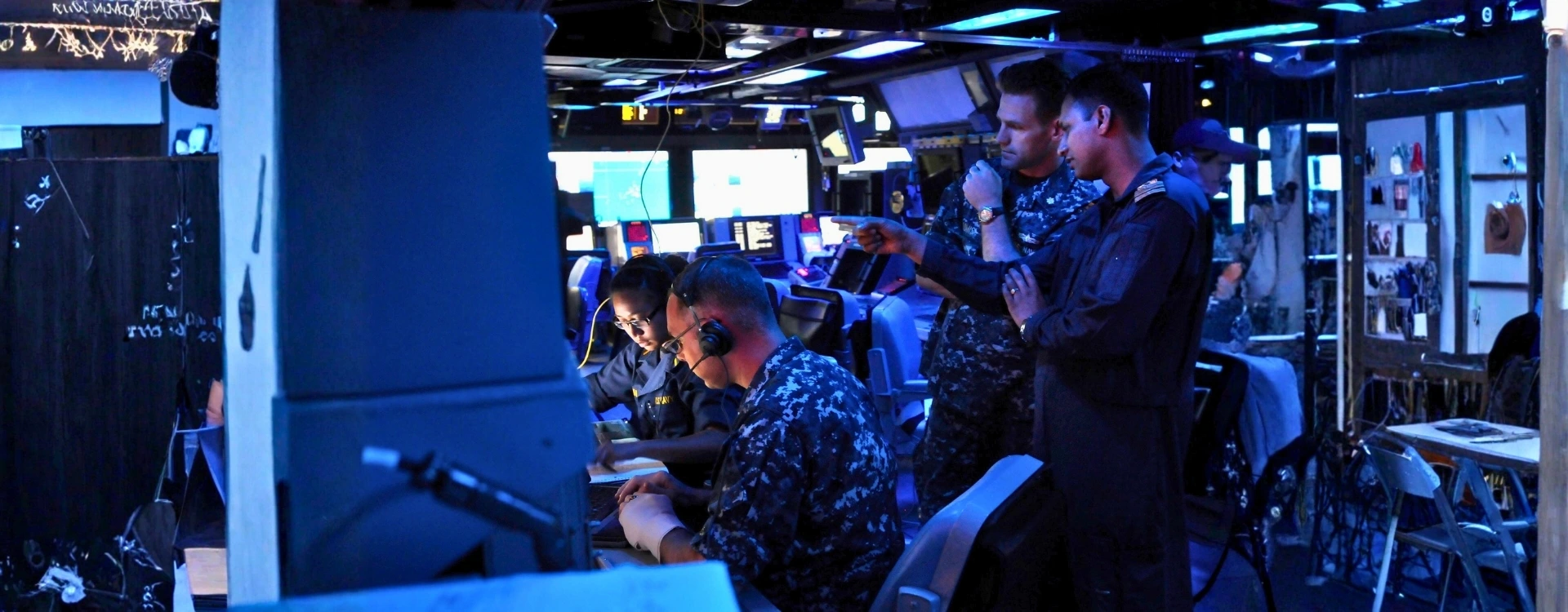
Reaction time in air defense refers to the period between the detection of a threat and its neutralization, and it stands as one of the most critical elements of modern warfare doctrines. As ballistic missiles, cruise missiles, unmanned aerial vehicles, and rocket attacks gain higher speed and maneuverability, air defense systems are forced to compete against time measured in seconds. A short reaction time is vital not only for protecting military bases, but also for safeguarding urban centers, critical infrastructure, and civilian areas. For this reason, modern air defense architectures are designed to detect threats at the earliest possible stage and minimize decision-making and engagement durations.
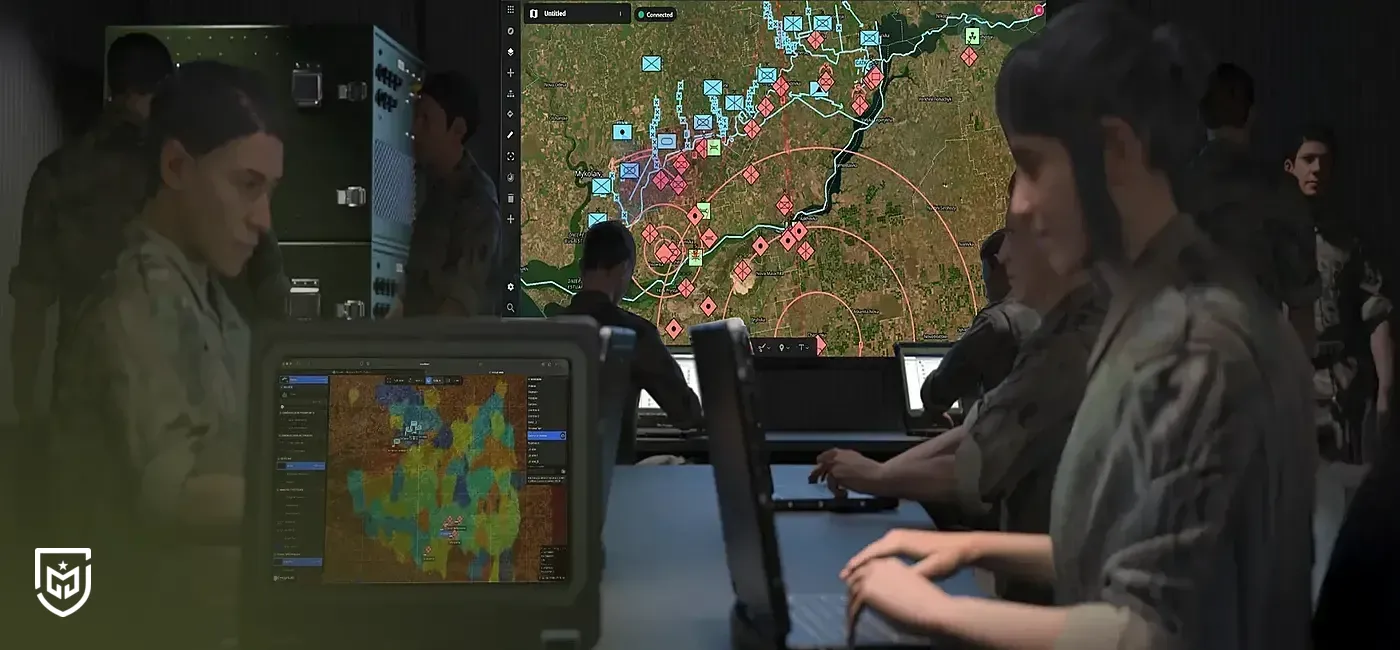
From a technical perspective, air defense reaction time consists of several stages: radar detection, data processing, threat classification, decision-making, and the launch of interceptor munitions. Each of these stages is optimized through advanced radar technologies, artificial intelligence–supported command-and-control systems, and automated engagement algorithms. Radar range and accuracy directly affect reaction time, while network-centric defense structures integrate data from multiple sensors into a single operational picture, significantly accelerating decision processes. Today’s modern air defense systems are increasingly built around architectures capable of responding within milliseconds by reducing the need for human intervention. Shorter reaction times not only increase defensive success rates but also elevate deterrence to the highest level.


The cookies used on our website are used to provide you with a better user experience and to improve our website. You can manage your cookie preferences from the options below.




 Süheyla Yıldız