BREAKING NEWS
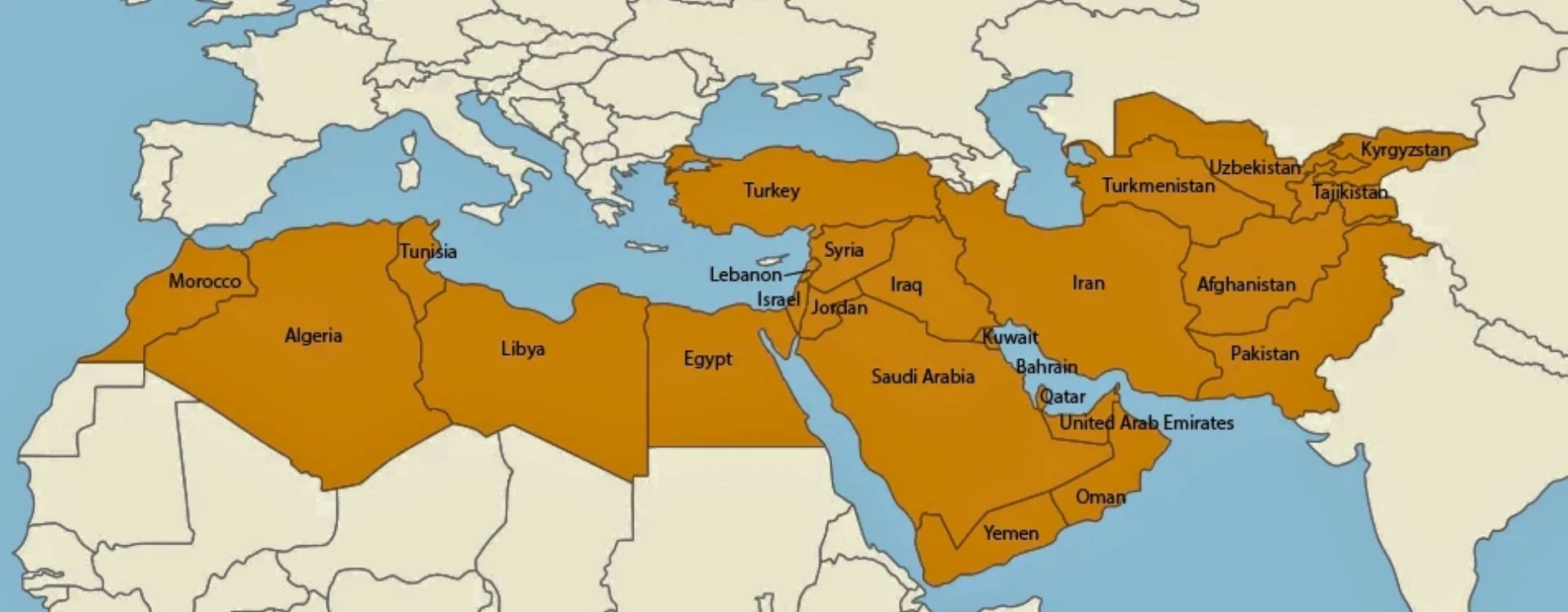
The balance of power in the Middle East has long been at the center of global politics due to the region’s vast energy resources, strategic trade routes, and geopolitical significance. Today, the regional balance is shaped by interstate rivalries, proxy wars, energy policies, and advanced defense systems. Military capacity, diplomatic alliances, and technological superiority stand out as the key factors determining the direction of this balance. Any development in the region carries consequences that affect not only local actors but also the broader international system.
From a more technical perspective, the dynamics of power reveal a complex and multi-layered structure. Israel follows a security doctrine based on deterrence, supported by advanced air defense systems and high-tech military capabilities. In contrast, Iran seeks to expand its regional influence through proxy forces and ballistic missile capacity. Saudi Arabia represents another critical pillar of the equation with its energy dominance and extensive defense spending. Global powers also play decisive roles: United States has maintained long-standing influence through military bases and strategic partnerships, while Russia has increased its military and diplomatic presence, particularly through its involvement in Syria. Energy security, maritime trade routes, air defense systems, and alliance politics continue to transform the Middle East balance of power into a fragile and constantly evolving structure, making the region one of the most dynamic and high-risk arenas in modern international relations.


The cookies used on our website are used to provide you with a better user experience and to improve our website. You can manage your cookie preferences from the options below.



 Rabia Kılıç