BREAKING NEWS
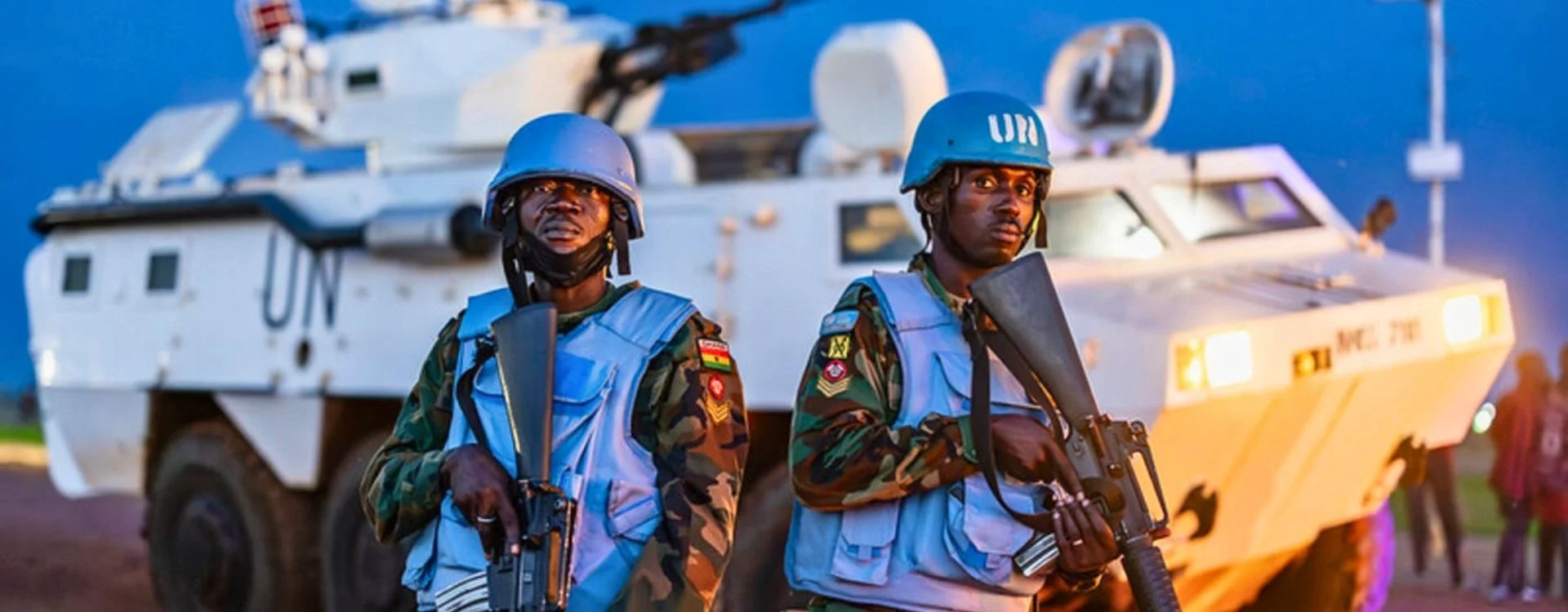
Peacekeeping operations are international military and civilian activities conducted to maintain ceasefires, protect civilians, and support political resolution processes in regions affected by conflict or post-conflict instability. Rather than engaging in active combat, these missions focus on stabilization, deterrence, and confidence-building between opposing parties. Especially in the post–Cold War era, the rise of regional crises has elevated peacekeeping operations to a central role within the global security architecture.
From a technical perspective, peacekeeping operations are carried out through multidimensional structures composed of military units, police forces, and civilian experts. While most missions are led by the United Nations, organizations such as NATO, the European Union, and various regional bodies also play active roles in the field. Modern peacekeeping tasks extend beyond military presence and include election security, rule of law support, protection of humanitarian aid, and training of local security forces. In this context, peacekeeping operations differ fundamentally from conventional military campaigns by offering a stability-oriented, long-term, and multi-layered security approach designed to prevent the resurgence of conflict and foster sustainable peace.


The cookies used on our website are used to provide you with a better user experience and to improve our website. You can manage your cookie preferences from the options below.


 Rabia Kılıç