BREAKING NEWS

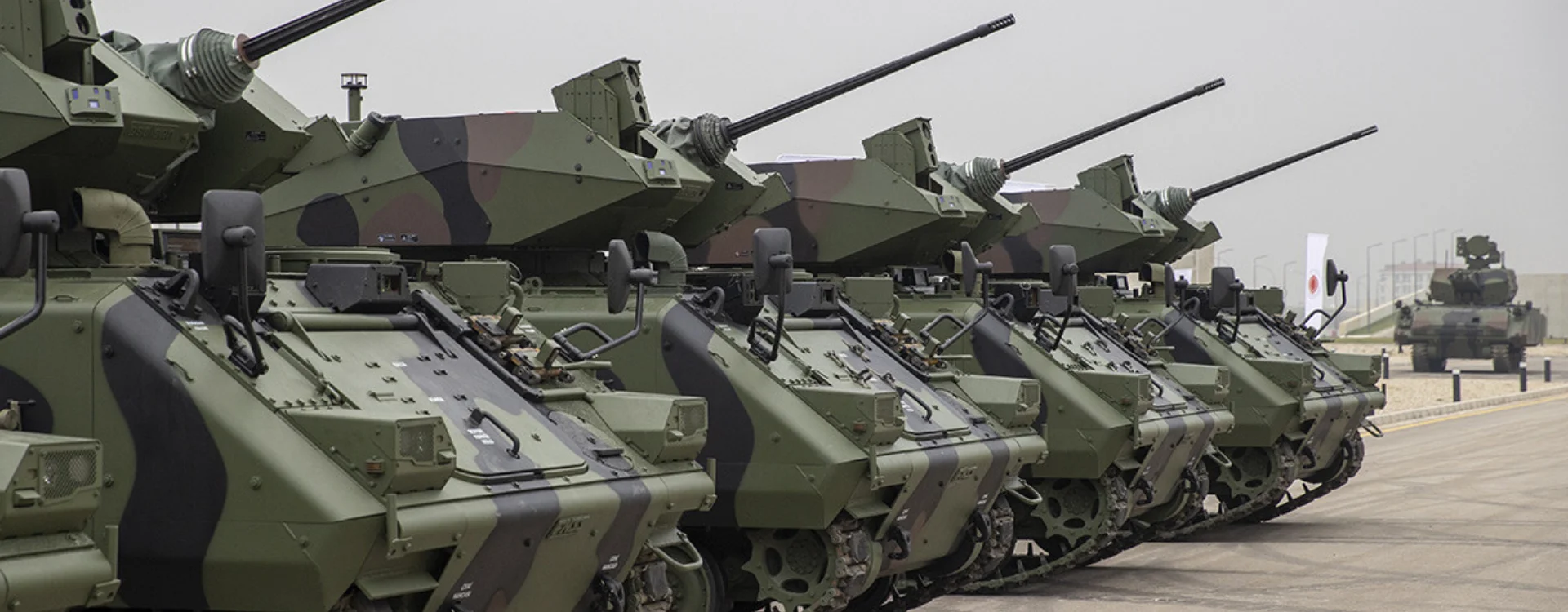
NATO Integration Systems stand out as one of the cornerstones of modern warfare and defense strategy. Designed to bring together land, air, naval, and cyber assets of allied nations under a unified command-and-control structure, these systems enable rapid, coordinated, and effective responses to emerging threats. Especially in multinational operations, real-time information sharing, interoperability, and swift decision-making are among the most critical advantages provided by NATO integration. First conceptualized during the Cold War, this framework has continuously evolved to address today’s hybrid threats and high-technology combat environments.
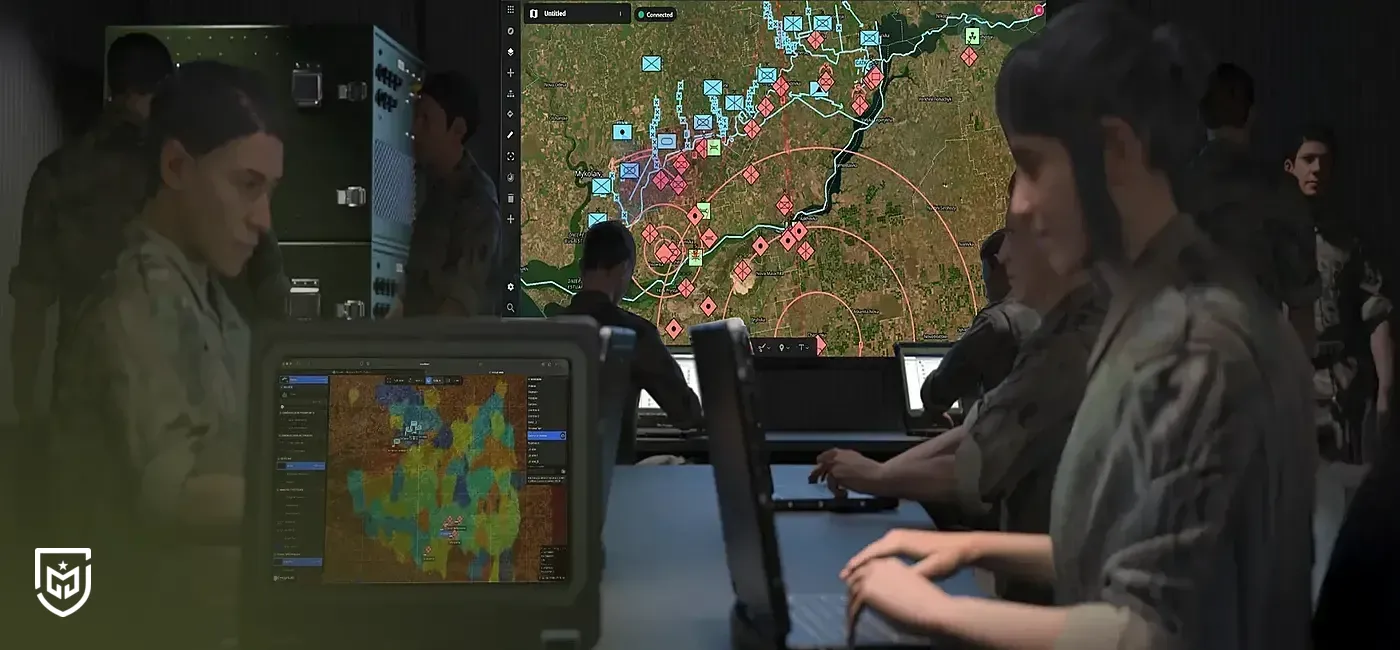
From a technical perspective, NATO Integration Systems consolidate command, control, communications, computers, intelligence, surveillance, and reconnaissance into a single digital architecture. This structure allows radars, air defense systems, early warning networks, and weapon platforms from different countries to be connected through common standards. Integrated air and missile defense architectures, in particular, significantly enhance NATO’s deterrence capability. Historically, the principle that “an attack against one ally is considered an attack against all” reflects the strategic philosophy behind these integration systems. Today, NATO Integration Systems are not merely military tools but are widely recognized as a concrete symbol of collective security, shared defense, and technological cohesion among allied nations within NATO.


The cookies used on our website are used to provide you with a better user experience and to improve our website. You can manage your cookie preferences from the options below.







 Süheyla Yıldız