BREAKING NEWS
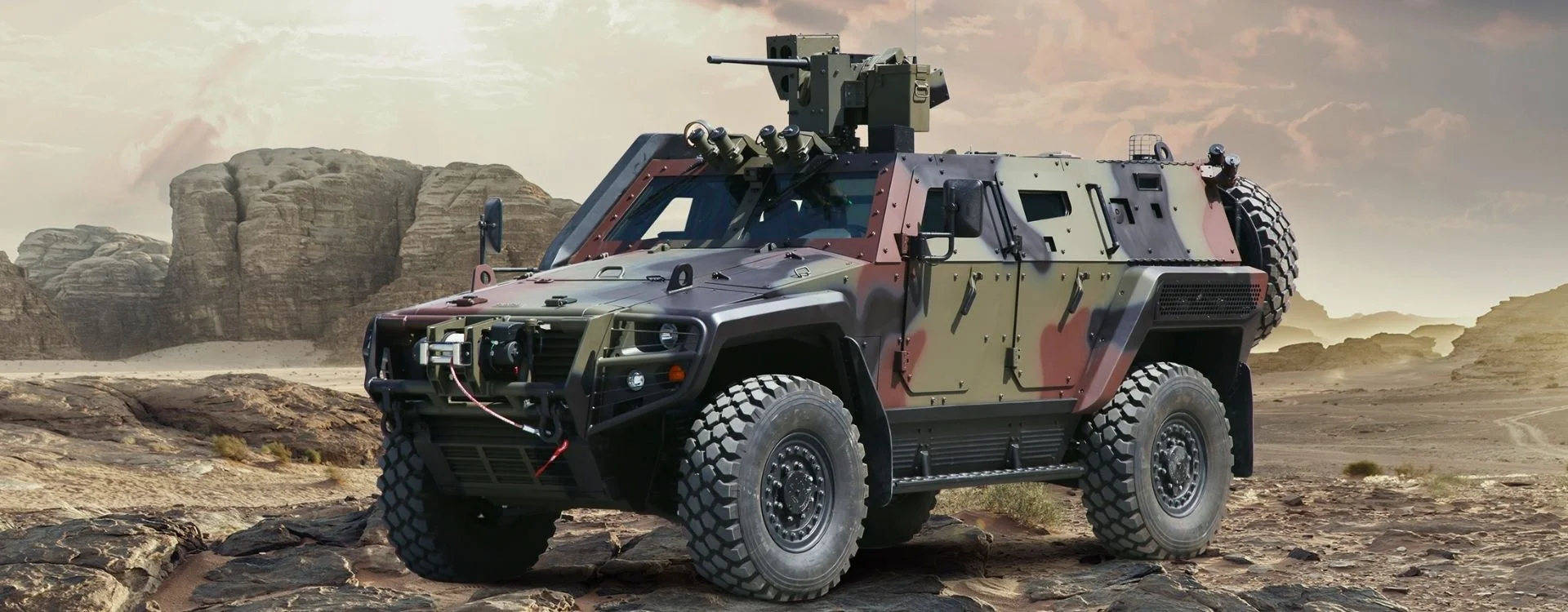
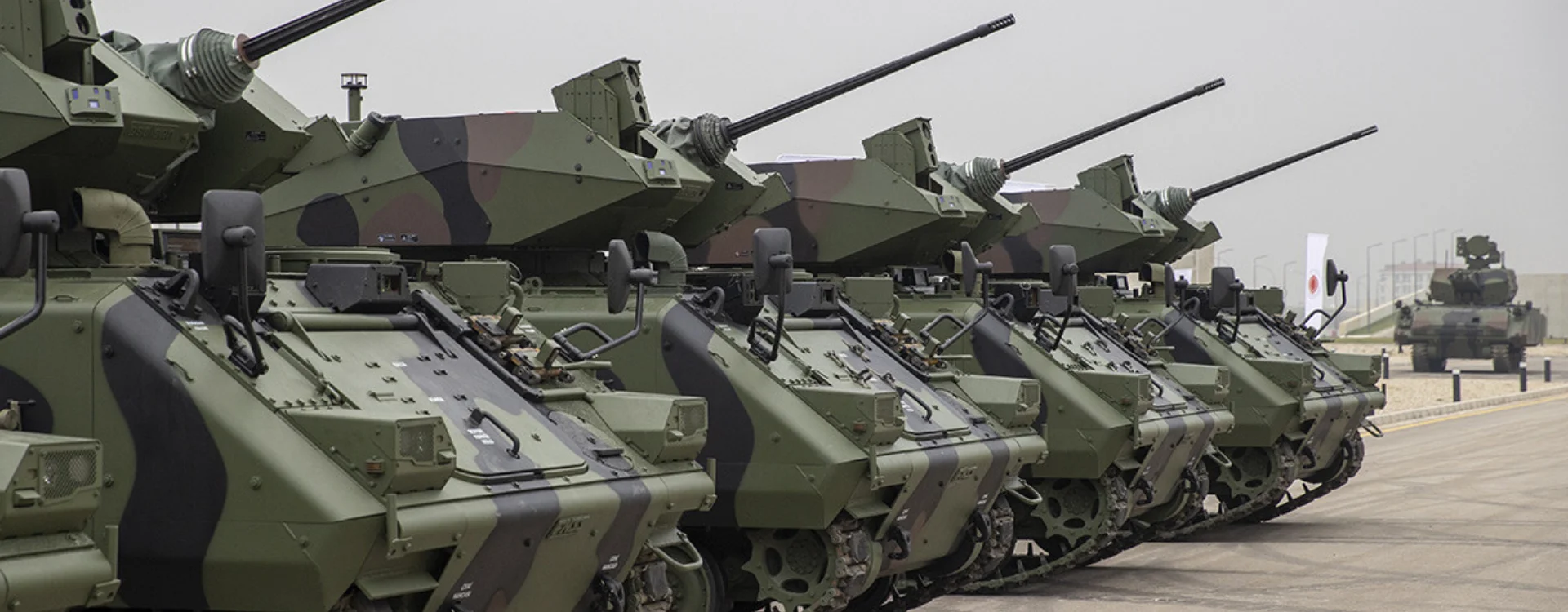
Modular design in land platforms has emerged as an innovative engineering approach that delivers rapid, sustainable, and mission-adaptive solutions to modern military requirements. As threat environments continue to evolve, the traditional single-role vehicle concept has proven insufficient, making flexibility and adaptability essential. Through modular design, armored land vehicles can be rapidly reconfigured according to mission type, terrain, and operational needs. Weapon systems, mission equipment, sensors, and protection packages can be easily replaced or upgraded, while this approach reduces logistical costs and enhances operational continuity. Starting with a basic configuration, modular platforms provide a scalable infrastructure that can be expanded as requirements grow.
From a technical perspective, modular land platforms are built upon standardized interfaces, interchangeable subsystems, and a common chassis architecture. This enables the same base platform to be employed for reconnaissance, troop transport, command-and-control, air defense, or armed missions. Maintenance and modernization processes also become faster and more cost-effective thanks to this structure. In long-term defense programs, modular design allows seamless integration of emerging technologies without the need for complete platform replacement. Today, many nations view modular design in land platforms as a strategic force multiplier, forming the foundation of future digital and autonomous ground vehicles. Modular design is not merely an engineering preference; it represents a fundamental transformation at the core of modern land warfare concepts.


The cookies used on our website are used to provide you with a better user experience and to improve our website. You can manage your cookie preferences from the options below.






 Rabia Kılıç